


Beaded Gold Mirror
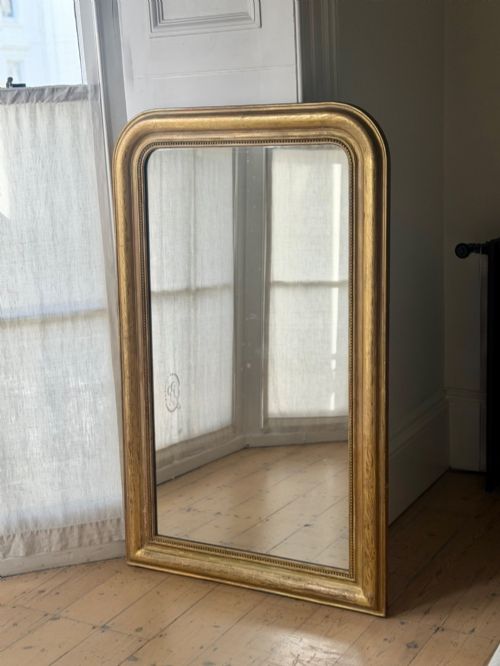
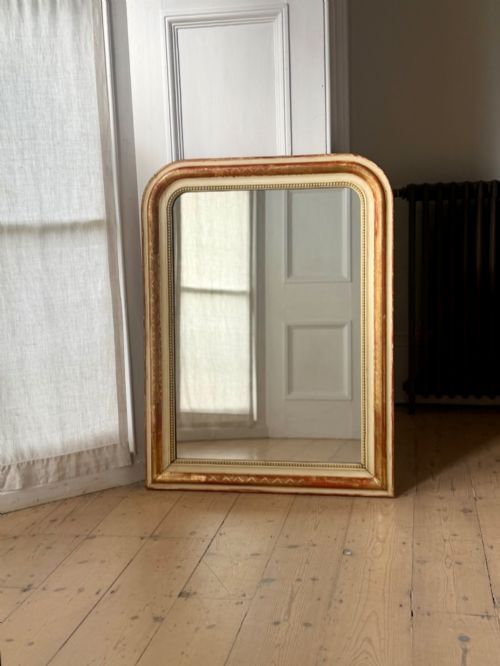
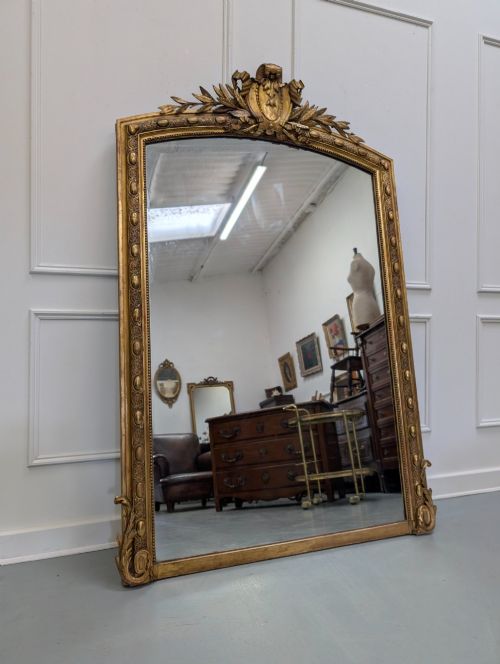
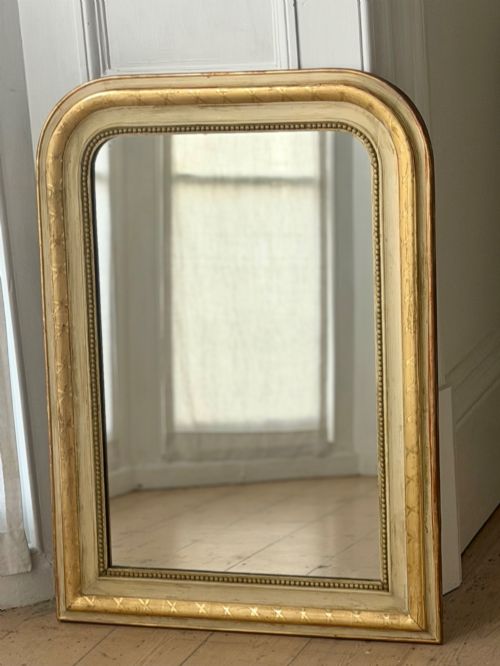
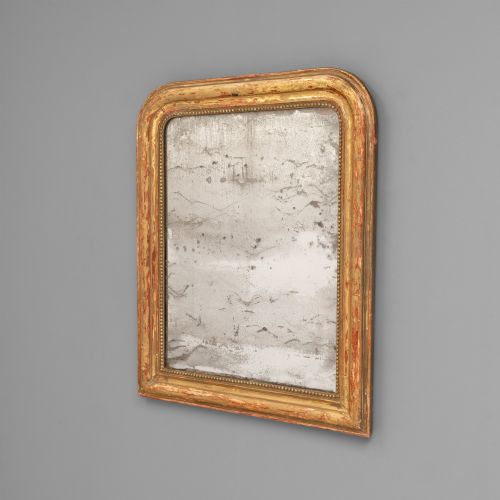
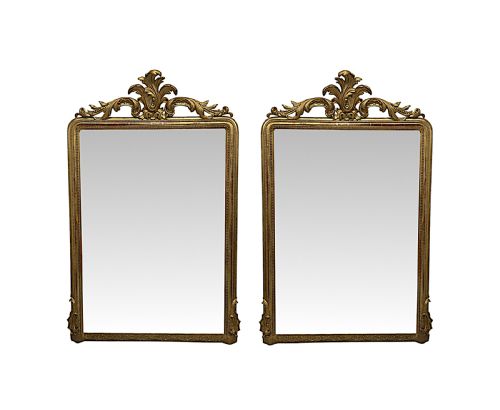
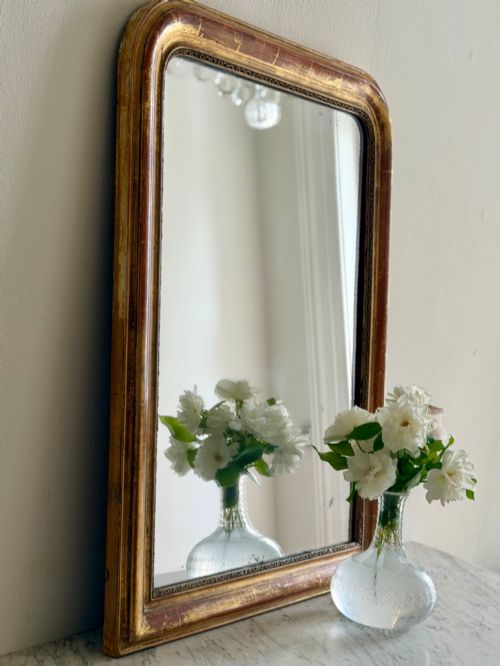
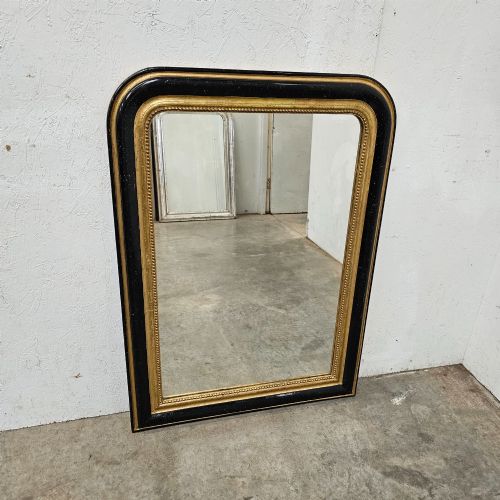
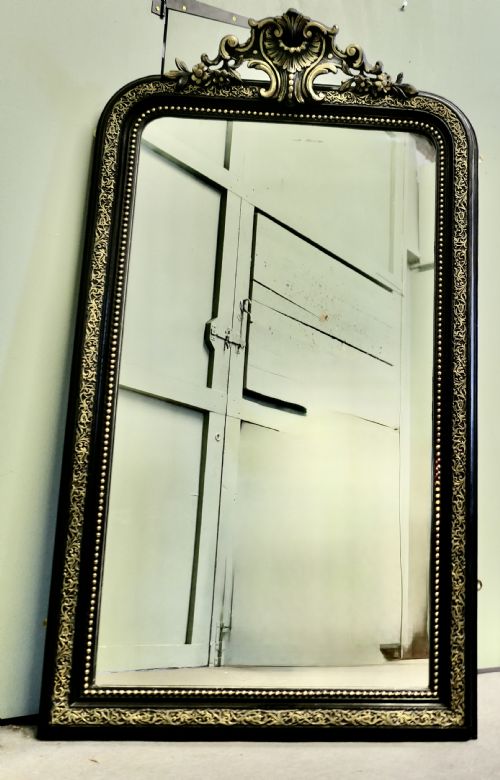
These beaded gold mirror examples bring nineteenth-century gilt frames and period glass into a room, offering both traditional scale and reflective depth.
Beaded Gold Mirror
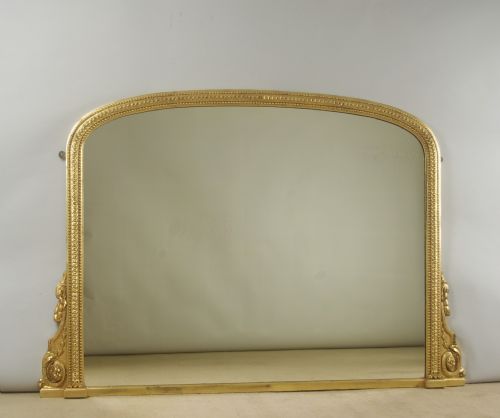
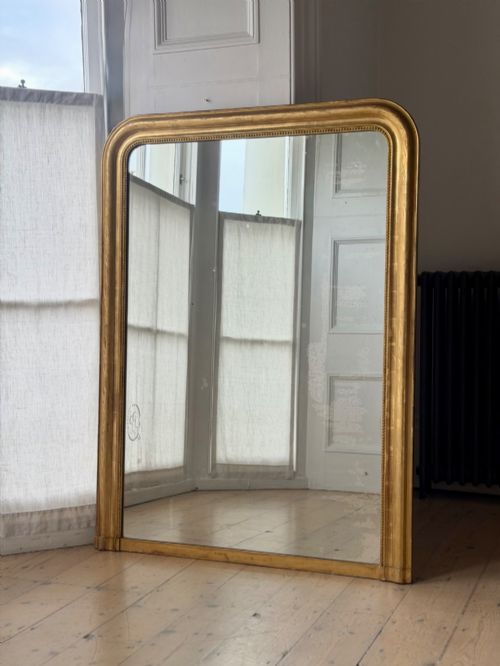
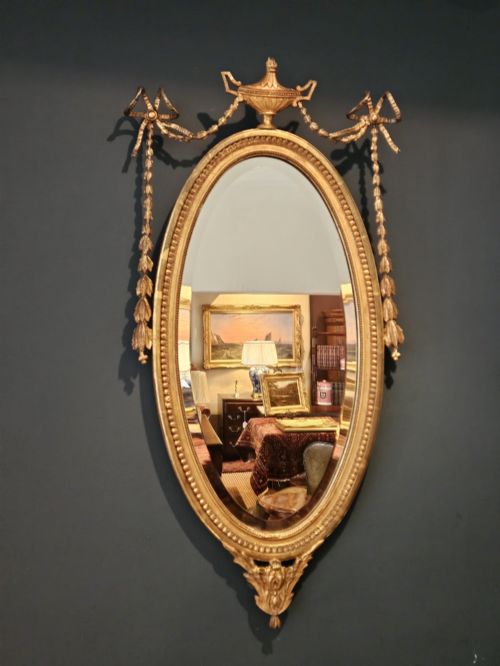
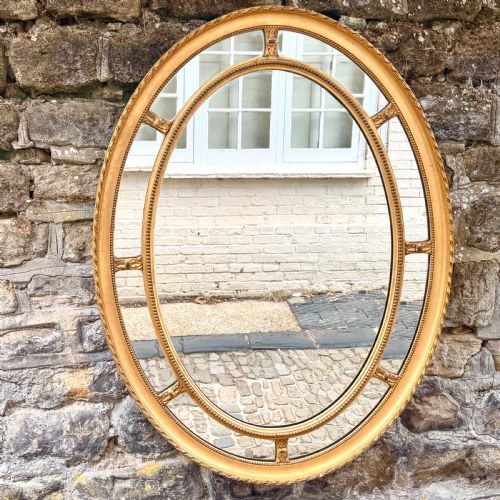
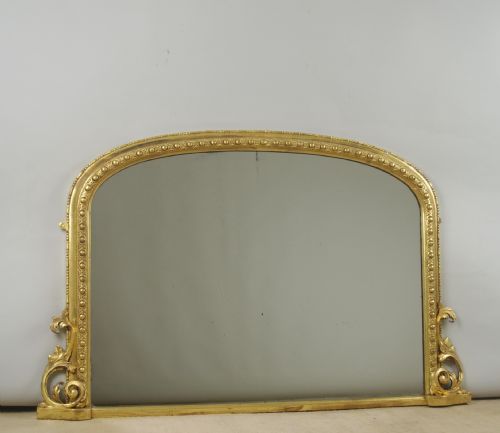
A beaded gold mirror takes several forms across nineteenth-century and early twentieth-century periods, ranging from large overmantel proportions to smaller wall-hung ovals. Buyers searching for a beaded gold mirror encounter wall mirrors, overmantel mirrors, and dressing glasses framed in giltwood and gesso.
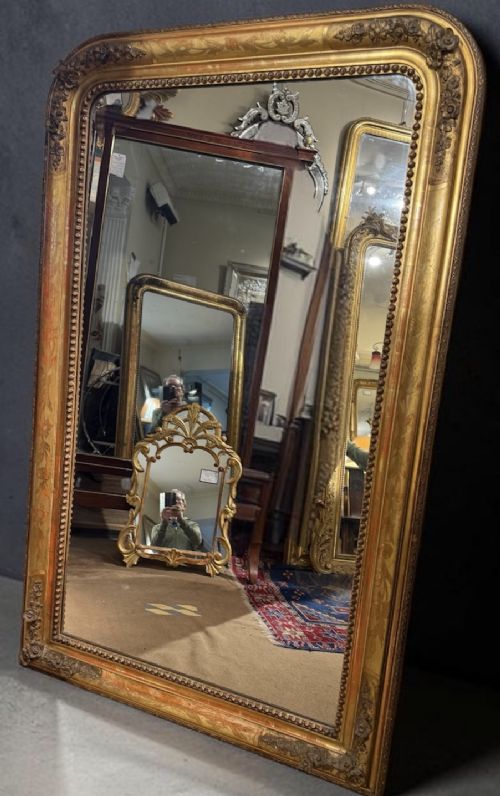
The pieces on this page originate predominantly from Victorian, Regency, and French Louis Philippe traditions. Many examples carry carved or moulded ornamentation, including acanthus leaves, floral embossing, and distinct beaded borders alongside original or replaced mirror plates.
Materials and construction
Frames are constructed from wood, giltwood, and composition, often layered with gesso before the application of gold leaf or gilding. This combination allowed artisans to render crisp architectural details, floral motifs, and uniform beaded runs along the rebate or outer edge.
Mirror plates consist of traditional glass, sometimes featuring foxing, mercury backing, or later replacement glass. Joinery methods and carved wooden substrates vary by period, with larger overmantel examples utilising heavy wooden framing to support the weight of the glass.
Beaded Gold Mirror Retail Price Guide 2026
Typical asking prices for beaded gold mirror among the pieces listed under this phrase on Sellingantiques today, from the lower quarter to the upper quarter. They describe what is for sale here now, not the wider market.
Materials documented across the inventory include giltwood, gesso, composition, and traditional glass mirror plates.
Quality and craftsmanship
The standard of a frame rests upon the depth of the carving and the precision of the gesso work. Superior pieces display hand-carved wooden elements and finely defined beads, whereas simpler or later interpretations rely heavier on moulded composition.
The preservation of the original gilding and the character of the mirror plate determine visual weight. Retaining original gold leaf and untouched antique glass elevates an example above those with heavy modern regilding or completely new plates.
The Beaded Gold Mirror Glossary
- Giltwood
- Wood that has been coated with gold leaf or a gold-coloured finish. This surface treatment defines the appearance of classic antique frames.
- Gesso
- A plaster-like mixture applied to wooden frame substrates to create a smooth surface for gilding. It takes fine mouldings and carved details well.
- Foxing
- Small dark spots or discoloration within the mirror plate caused by the degradation of the backing over time. Collectors often value this sign of age.
- Overmantel mirror
- A large mirror designed specifically to hang above a fireplace mantelpiece. These pieces frequently feature horizontal proportions and substantial frames.
- Louis Philippe
- A French design style from the nineteenth century characterised by restrained classical proportions and rounded top corners. Such mirrors often have simple beaded or cavetto frames.
Beaded Gold Mirror: Frequently Asked Questions
How do I hang a heavy overmantel mirror?
Heavy overmantel mirrors require secure fixings anchored directly into wall studs or masonry to support the substantial weight of the wood and glass.
Professional installation is recommended for large scale pieces to ensure the frame remains stable against the wall.
What causes foxing on old mirror glass?
Foxing occurs when moisture or air interacts with the silver or mercury backing behind the glass over many decades.
This natural oxidation creates distinctive dark spots that confirm the age of the mirror plate.
Are these frames made of solid gold?
The frames are constructed from wood or composition coated in thin gold leaf rather than solid gold metal.
This traditional gilding technique gives the surfaces their bright metallic reflection.
How do I clean an antique gilt frame?
Dust gilt frames gently with a soft, dry brush to remove particles without disturbing the delicate gold leaf surface.
Liquid cleaners and abrasive cloths must be avoided because they damage historical gilding.