



Beaded Gilt Frame
A beaded gilt frame catches the light in any room, housing mirrors, portraits, and textiles with golden polish.
Beaded Gilt Frame
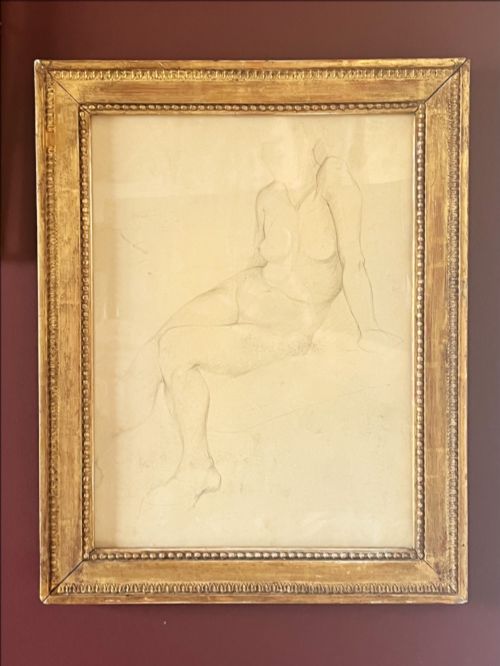
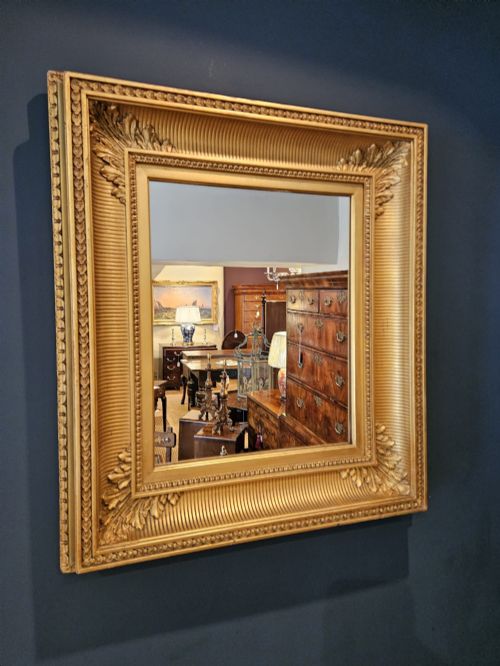
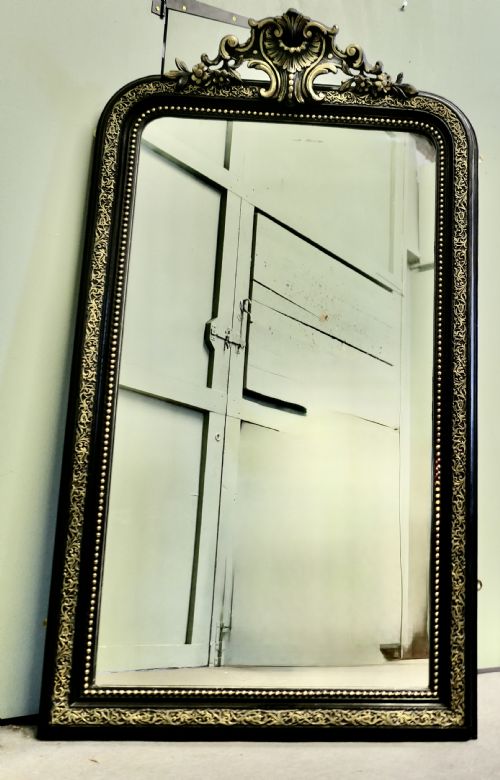
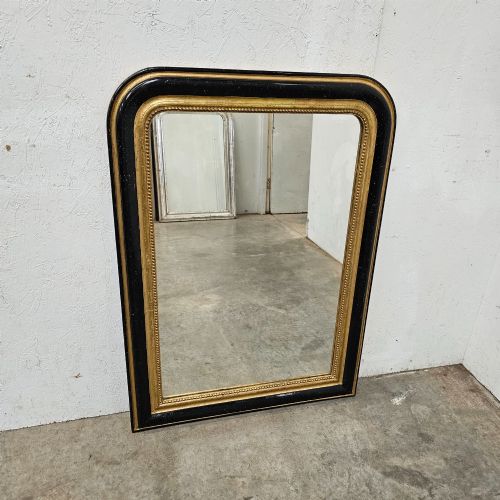
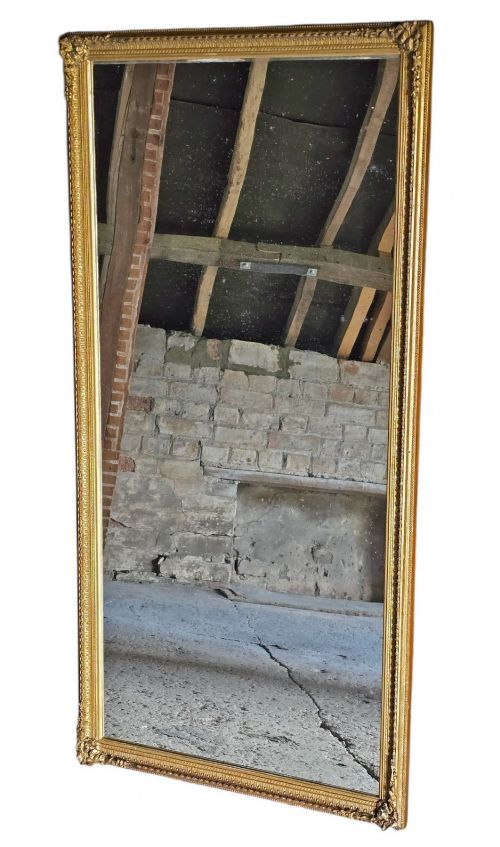
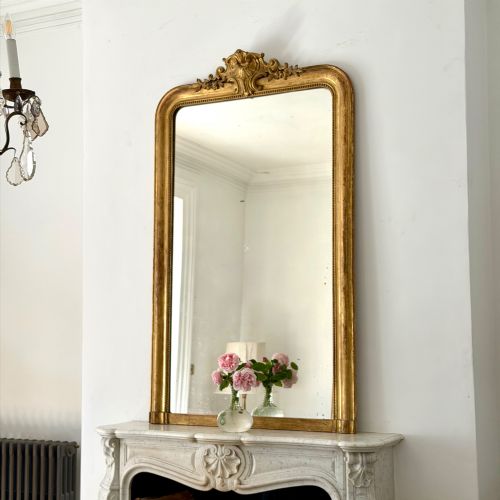
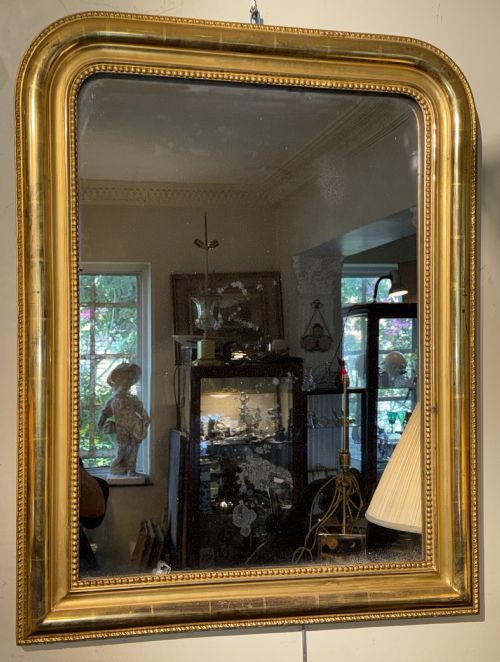
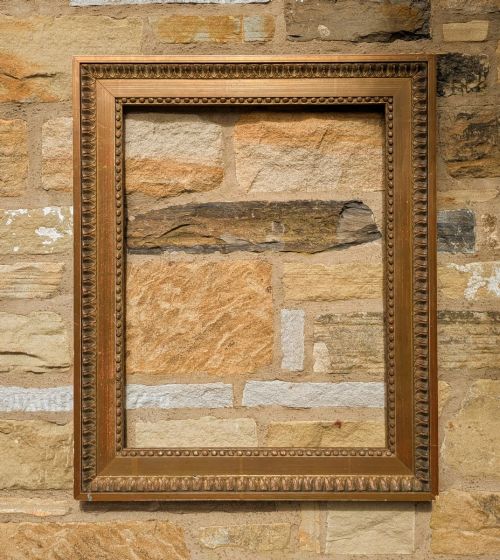
When you search for a beaded gilt frame, you encounter a selection of wall mirrors, overmantel mirrors, picture frames, and framed artwork spanning several centuries. These pieces function primarily as decorative architectural elements, bringing reflective depth and warmth to a space through their metallic surfaces.
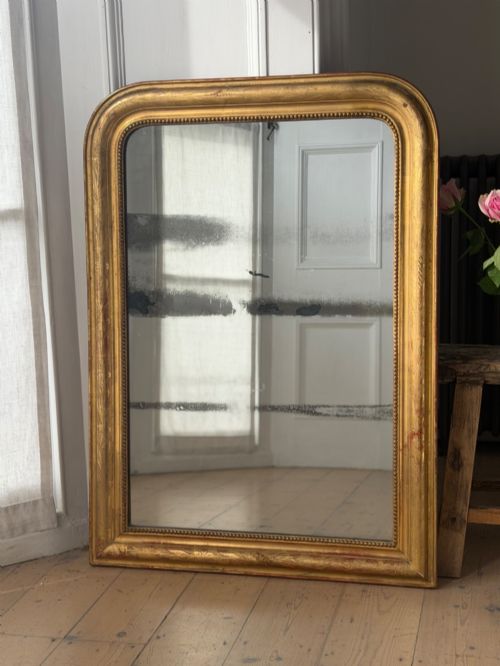
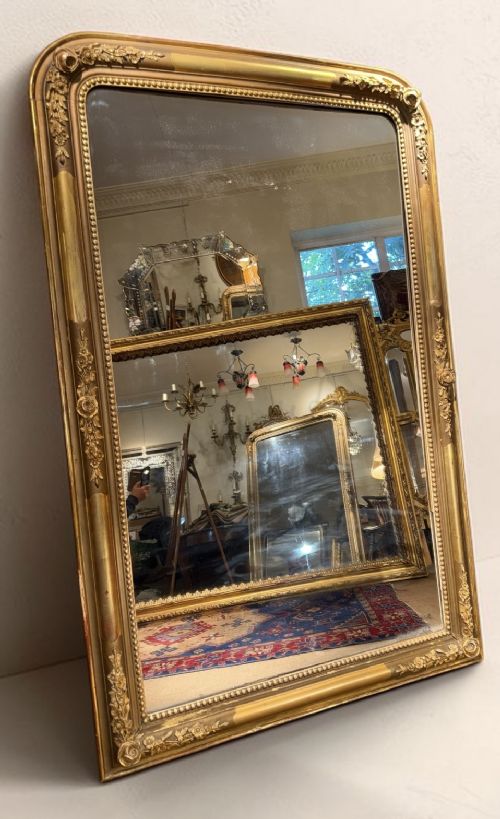
The version you are most likely to meet on this page is a nineteenth-century French or English wall mirror, often bearing Louis Philippe or Victorian stylistic traits. Many examples combine substantial wooden or gesso foundations with rounded beaded mouldings that frame either original foxed mercury glass or later replacements.
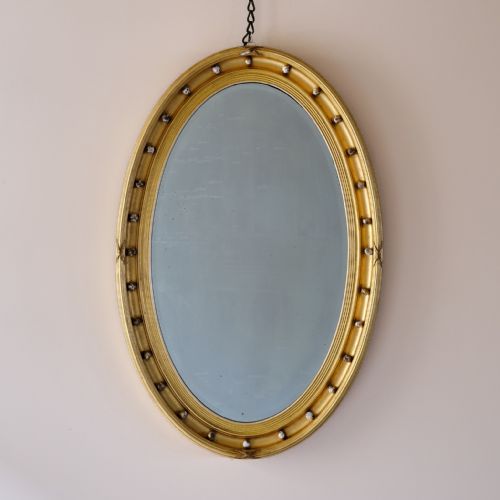
Beyond standard wall mirrors, the category encompasses oval frames, tall pier mirrors, and specialised enclosures for portrait miniatures or textile art. These smaller formats demonstrate how the beaded gilt profile adapts from grand overmantel proportions down to intimate cabinet pieces.
How They Were Made
Carved wood and moulded gesso form the structural foundation for the majority of these frames. Artisans built up intricate surface details using composition ornament pressed into moulds or directly carved into timber substrates before applying the finishing layers.
Gold leaf and liquid gilding provide the characteristic metallic sheen across the surfaces, adhering to the prepared gesso and bole underneath. The application of these thin metallic sheets or gilt coatings gives the frames their durable outer brilliance.
Glass panels within these frames often utilised traditional mercury silvering techniques in earlier periods, resulting in characteristic foxing and spotting over time. Later pieces incorporate standard glass plates while retaining the historic gilding and beaded wooden profiles.
Listings feature pieces spanning the Georgian, Victorian, and Edwardian periods alongside French Louis Philippe and Napoleon III styles.
What Varies in Quality
The crispness of the carved or moulded ornamentation dictates much of the visual distinction between examples. Frames with sharply defined acanthus leaves, egg and dart motifs, and evenly spaced beads show superior craftsmanship compared to softer, worn castings.
The preservation of the original gilding and the character of the glass plate influence the overall integrity of a piece. Original fire-gilt surfaces and untouched mercury glass carry greater historic authenticity than later overpainting or modern mirror replacements.
James Sharples
The Beaded Gilt Frame Glossary
- Gesso
- A plaster-like mixture applied to wood frames to create a smooth surface for gilding. This compound allows artisans to impress fine decorative details before applying gold leaf.
- Louis Philippe
- A mid-nineteenth-century French style characterised by understated elegance and softly rounded upper corners. These mirrors often feature minimal ornamentation alongside a distinct beaded inner edge.
- Mercury Glass
- A type of silvered glass produced by pouring a mercury amalgam between double-walled glass or coating single plates. It creates a mottled, dark reflective quality unique to older mirrors.
- Overmantel Mirror
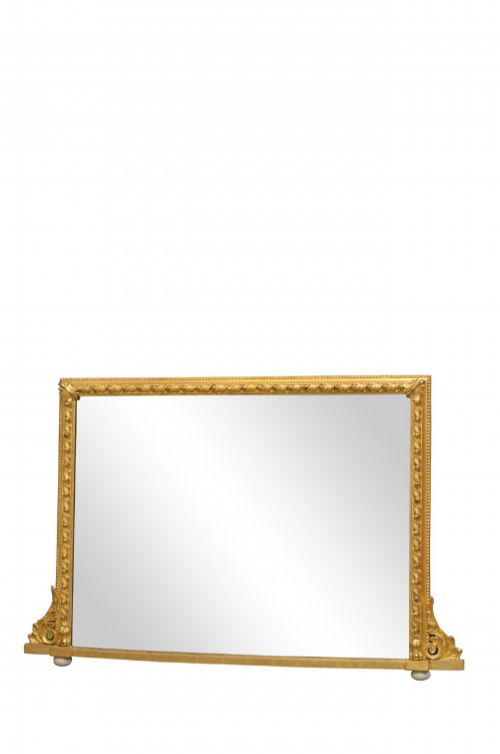
- A large horizontal mirror designed to sit directly above a fireplace mantelpiece. These pieces frequently anchor the proportions of a formal nineteenth-century interior.
- Trumeau
- A decorative wall panel that incorporates a painted scene or textile above a mirror plate. These architectural fittings originated in eighteenth-century French interior design.
Beaded Gilt Frame: Frequently Asked Questions
How do I clean a gilt frame?
Dust the gilded surface gently using a soft, dry brush to prevent any abrasion to the delicate gold leaf layer. Avoid chemical cleaners or moisture, which can strip the historic gesso and composition details.
Test any maintenance approach on a hidden corner before proceeding across the entire moulding. Professional conservators should handle structural repairs or flaking gilt.
What is foxed glass?
Foxed glass refers to the speckled, dark age spots that develop on older mirror plates as the backing degrades over time. This natural oxidation process is particularly common in nineteenth-century mercury glass.
Many collectors prize foxed glass for the authentic historic character it brings to an antique frame. It provides a soft, atmospheric reflection rather than a harsh modern mirror image.
Where should I hang an overmantel mirror?
An overmantel mirror traditionally anchors the space directly above a fireplace, reflecting light and creating an illusion of depth. Ensure the wall fixings match the substantial weight of these large wooden and gesso frames.
These pieces also function effectively on main living room walls opposite windows to maximise natural light. Balance the scale of the mirror with the surrounding furniture proportions.