




Early 20th Century Frame
When hunting an early 20th century frame, you are looking at the wooden, gilded, and metal borders that enclose the period's oils, watercolours, and mirrors.
Early 20th Century Frame
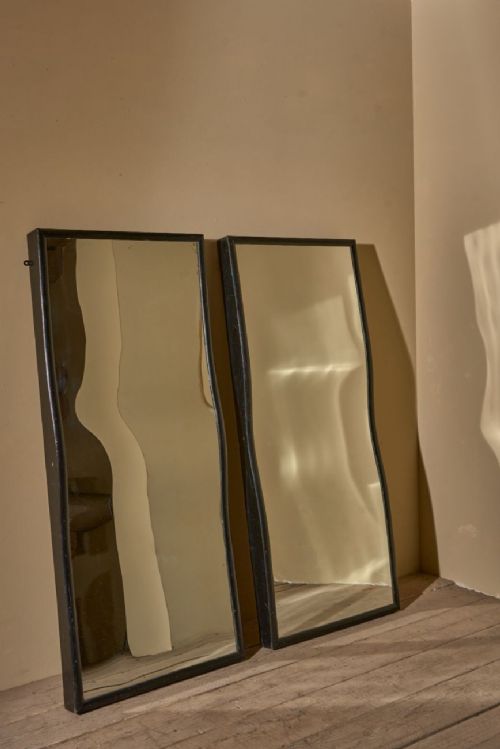
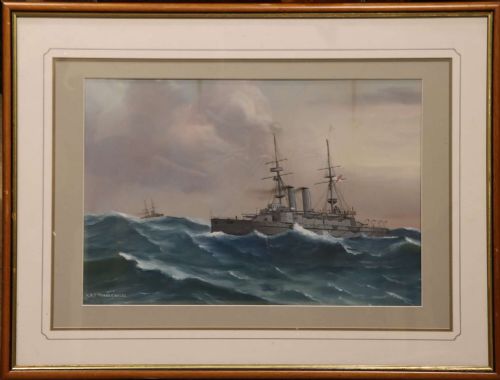
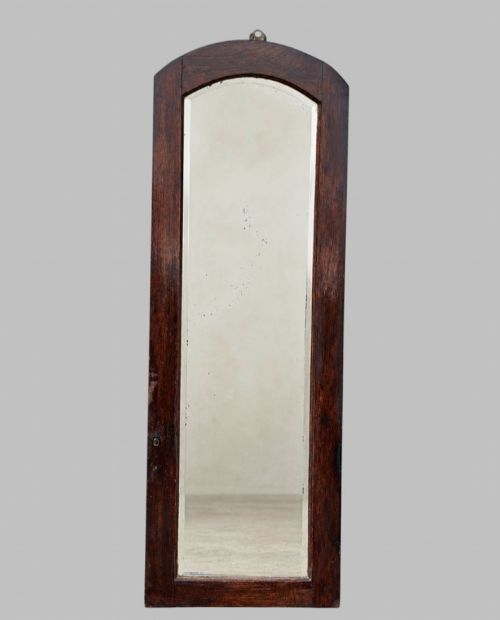
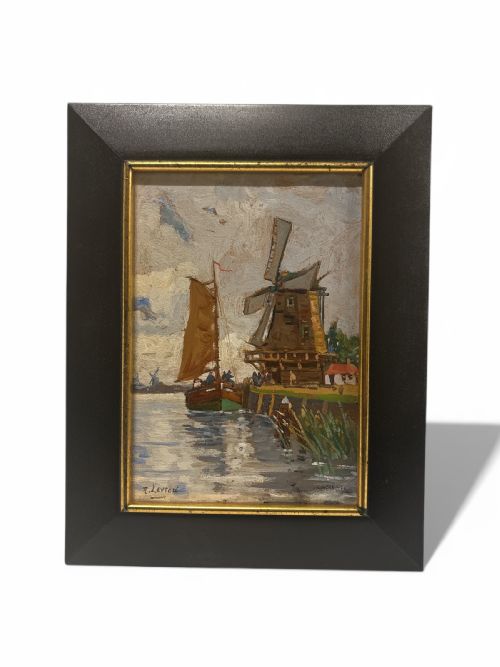
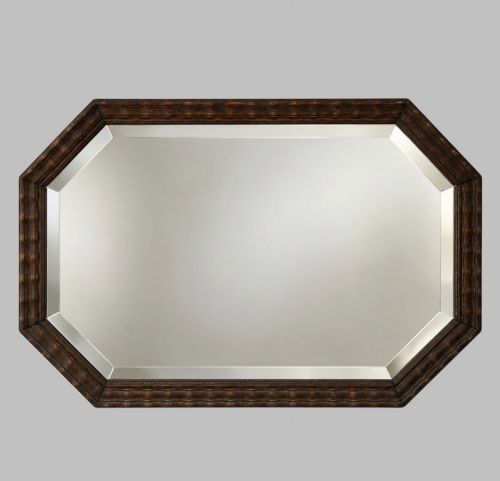
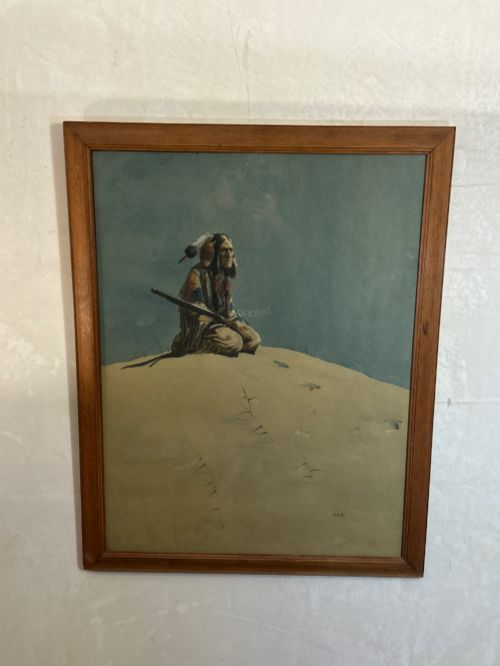
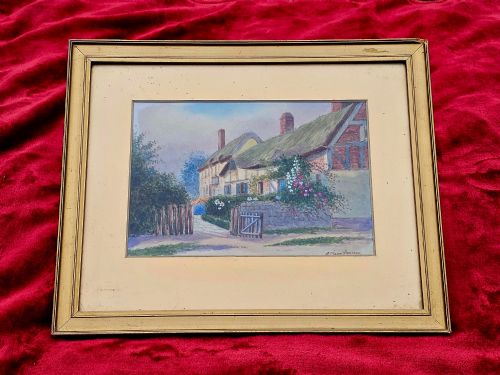
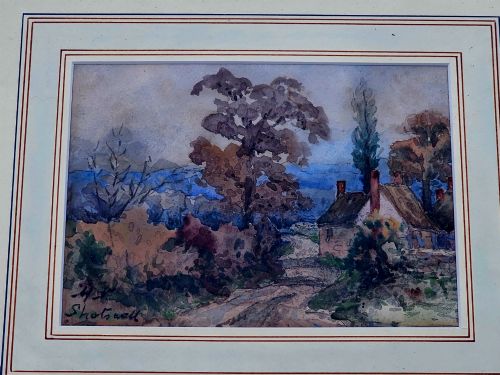
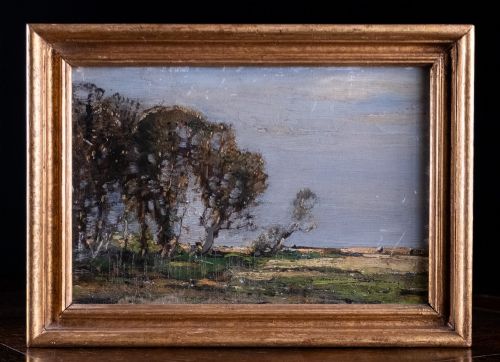
An early 20th century frame selection encompasses structural housings built for mirrors, oils on canvas, and works on paper from the Edwardian decades through the 1930s. Buyers frequently encounter substantial oak mirror surrounds, carved gesso gilt profiles, and simple wooden mouldings housing regional watercolours.
Beyond wall art, the inventory extends to furniture items where the structural frame defines the piece, including armchairs, sofas, and oak display cabinets dated between 1900 and 1940. These items reflect the domestic utility and Arts and Crafts influences popular across British and continental workshops during the period.
The objects bridge late Victorian traditions and early modernist designs, showing variations from heavy carved wood overmantles to clean, linear mouldings. This span allows collectors to source housings that match specific artistic movements like British Impressionism or regional landscape painting.
Construction and Materials
Carpenters and gilders utilised solid oak, walnut, and pine as foundational woods, frequently applying composition ornament or gesso to create decorative rope twist and laurel leaf reliefs. Gilt frames relied on layers of gold leaf or metallic paint over prepared plaster grounds to achieve their reflective surfaces.
Joinery methods combined traditional corner mitres with corner blocks and iron bracing, ensuring structural stability for heavy bevelled glass mirrors and large oil paintings on canvas. Paper works and watercolours utilised cardboard mounts, paper backing, and glass protection sealed with early tapes.
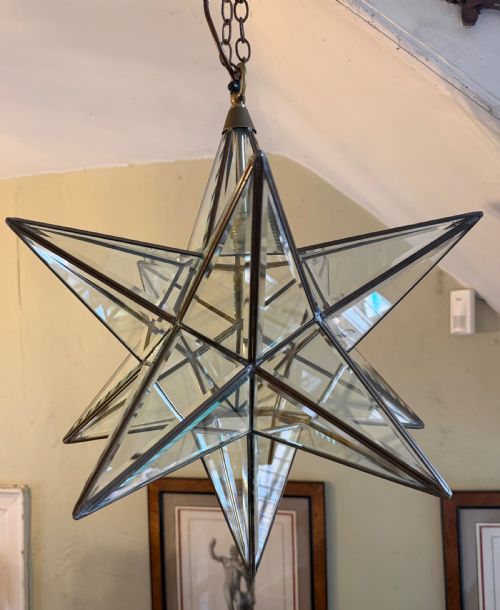
Metal elements appeared in specific forms, such as brass framing on hanging lanterns, campaign shaving mirrors, and steel chandelier structures supporting cut glass components.
A cheerful 1920s Alvis hare car mascot comes accompanied by a framed photograph of its very proud young owner.
Evaluating Execution and Preservation
Quality rests on the integrity of the joinery and the original bond between the decorative surface and the wooden substrate. Hand-carved wooden mouldings and crisp gesso stampings demonstrate superior workshop standards compared to mass-produced stamped compositions.
The retention of original gilding or authentic wood patination determines the visual weight of the piece, as stripped or poorly repainted surfaces diminish historical accuracy. Surviving backboards, original framer labels, and untouched glazing add confidence to the object's provenance.
Waring & Gillow·Abbott & Holder
The Early 20th Century Frame Glossary
- Gesso
- A plaster-like mixture applied to wood frames to create a smooth surface for gilding or relief moulding. Craftsmen carved intricate patterns directly into this compound before applying metallic leaf.
- Bevelled glass
- Mirror or window glass with edges cut and polished at an angle to create a framed reflective border. This technique was standard in substantial wall mirrors.
- Overmantle
- A large decorative mirror or framed painting designed to sit directly above a fireplace mantelpiece. These pieces often feature carved wood and gesso architectural motifs.
- Giltwood
- Timber that has been coated with thin sheets of gold leaf. It remains susceptible to rubbing and moisture over decades of domestic use.
- Mount
- A cardboard or paper border placed inside a frame to separate the artwork from the glass. Early examples frequently show age toning and acidic discolouration.
Early 20th Century Frame: Frequently Asked Questions
How do I date an early 20th century frame?
Dating relies on examining the construction methods, backing materials, and the style of the moulding. Oak and heavy gesso mirror frames often correspond to Edwardian interior fashions, while simpler linear profiles point toward the interwar decades.
Maker labels, stampings on the reverse, and the type of fixings used also help narrow the decade of production. Comparing the frame profile to the period of the artwork it encloses provides additional context.
Can I safely hang a heavy antique mirror?
Hanging requires inspecting the structural integrity of the wooden joints and the strength of the hanging wire or brackets on the reverse. Many period mirrors use substantial oak or carved gesso frames that carry significant weight.
Weight loads should be distributed across secure wall fixings rather than relying on original, potentially degraded cord. Professional mirror hangers can install appropriate wall anchors suited to plaster or brick.
Should I clean a gilded frame?
Cleaning should be limited to gentle dusting with a soft, dry brush to remove surface particulate without disturbing the delicate metallic leaf. Moisture and modern chemical cleaners can strip original gilding and soften underlying gesso.
If deeper cleaning is necessary, consultation with a conservator ensures the finish remains intact. Preserving the natural accumulation of age patination maintains the historical character of the piece.
How do I match a frame to an artwork?
Matching involves considering the period, artistic style, and visual weight of the painting or print relative to the moulding profile. Impressionist works typically pair with broader gilded frames, while watercolours often suit simpler wood or card mounts.
The scale of the frame must complement the dimensions of the canvas without overwhelming the composition. Historical precedent shows artists and framers favoured styles contemporaneous with the creation of the art.