

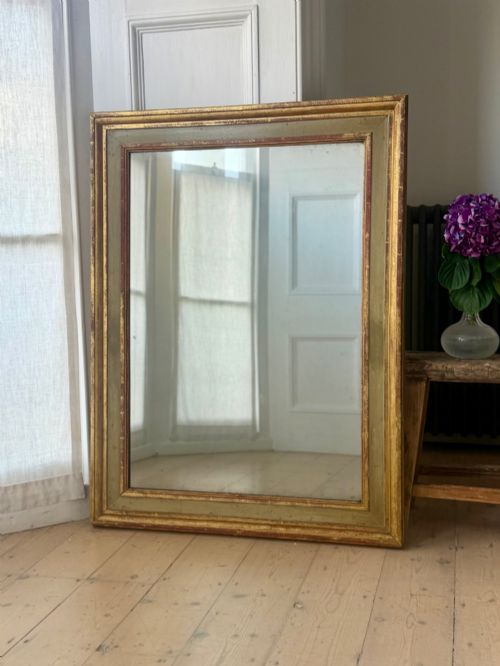
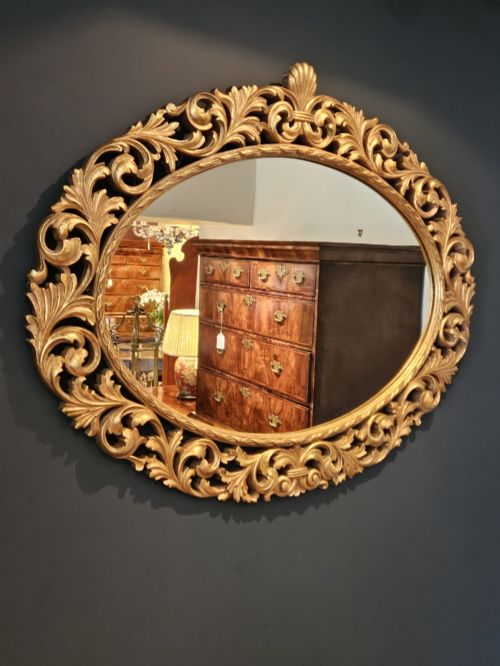
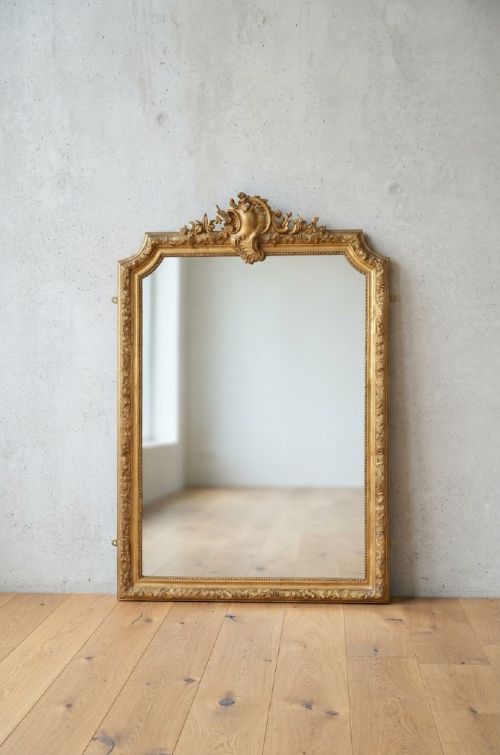
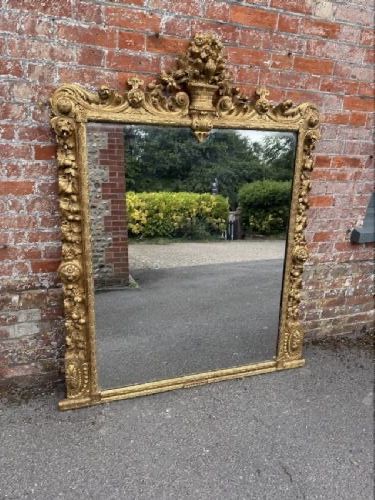
Large Gilt Wood Frame
A large gilt wood frame commands a room, reflecting light and adding architectural weight through centuries of gilded craftsmanship.
Large Gilt Wood Frame
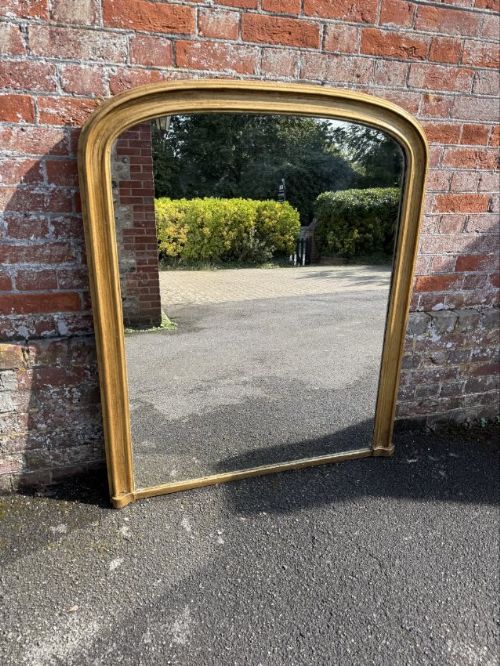
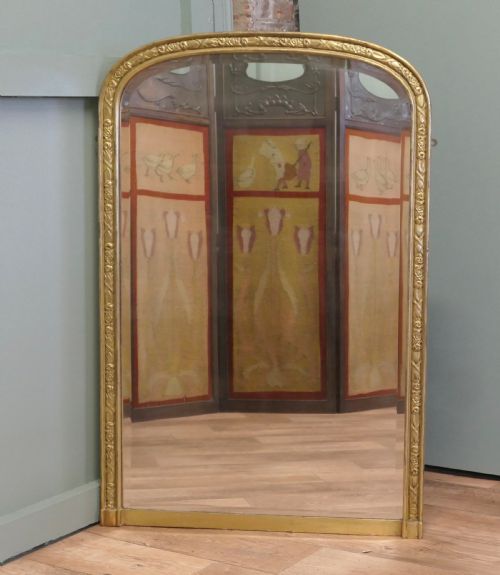
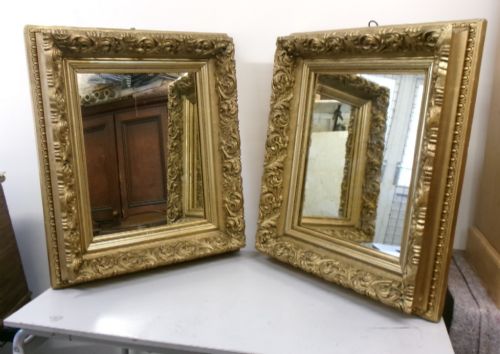
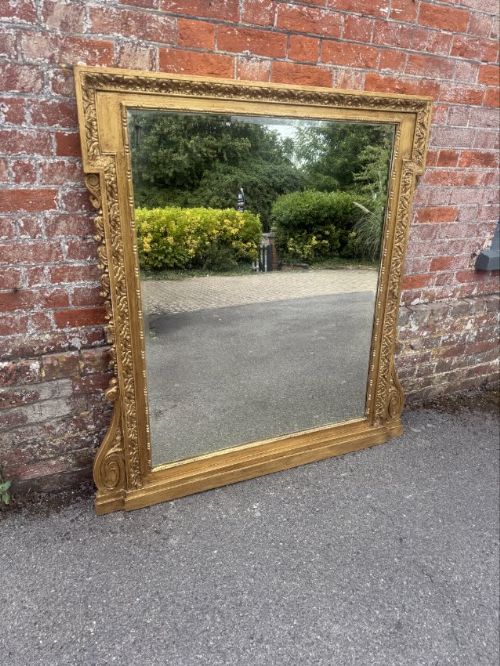
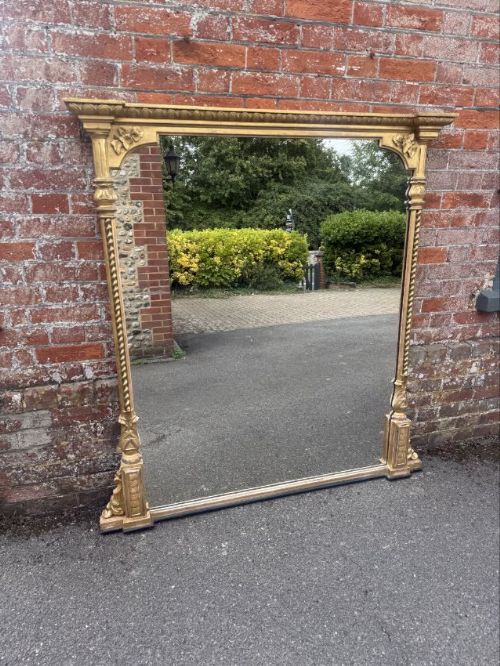
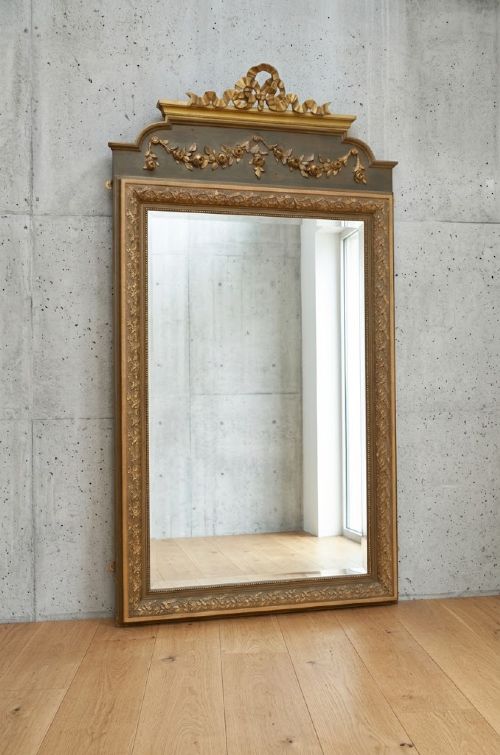
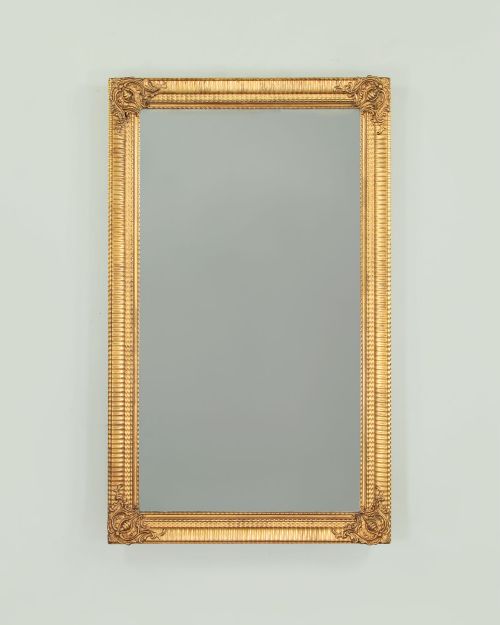
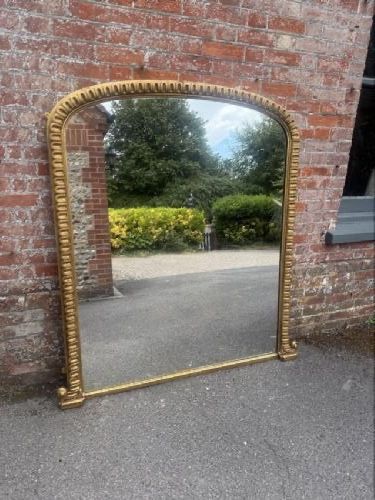
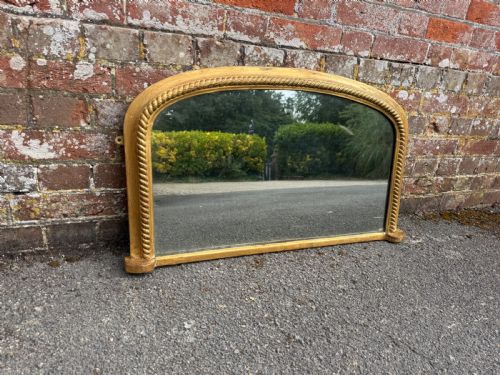
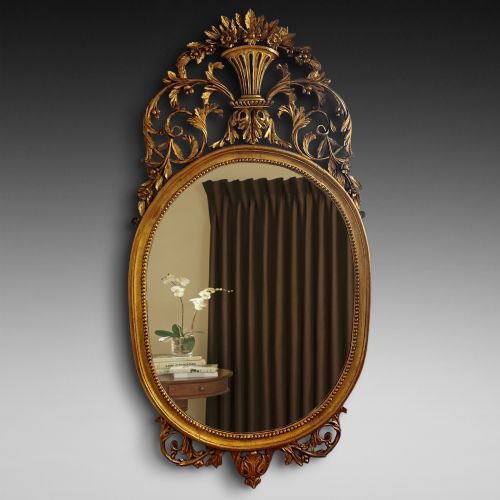
When you search for a large gilt wood frame, you encounter substantial wall mirrors, overmantel mirrors, and empty picture frames designed to anchor an interior. These pieces originate predominantly from the nineteenth century, spanning English country house overmantels and French salon designs.
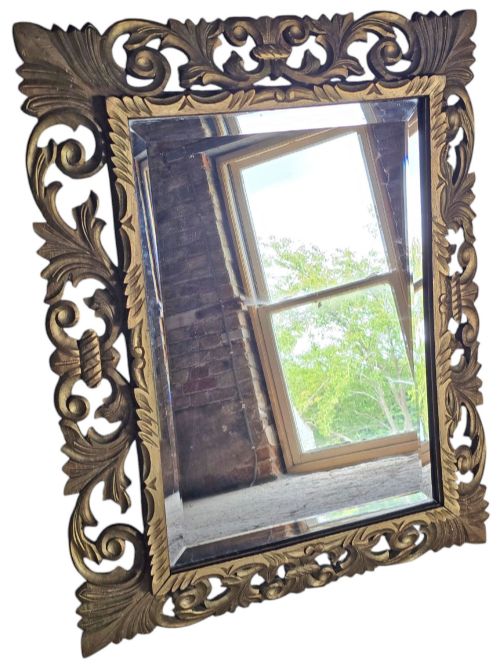
The most common forms on this page are nineteenth-century English overmantel mirrors featuring arched tops and intricate gesso mouldings, alongside tall French wall mirrors. You also find Florentine cushion frames, pier glass mirrors, and occasional oil paintings retained within their original gilded housings.
How they were made
Artisans constructed the underlying structure from carvable timbers such as pine or hardwood, joining the corners securely to bear the weight of heavy glass. They then applied layers of gesso, a fine plaster mixture, to the wooden base in order to build up relief details.
Carvers incised and modelled motifs directly into the gesso or wood before applying gold leaf or liquid gold paint to the surface. Many antique examples incorporate original mirror glass, sometimes showing the distinctive foxing or irregularities of older manufacturing methods.
Materials recorded across the inventory include giltwood, gesso, carved wood, gold leaf, mirror glass, and painted wood.
What varies in quality
The depth and crispness of the carved ornamentation separate standard production from superior craftsmanship. Finer pieces display sharply defined rope twist, ribbon crest, or acanthus leaf motifs modelled by hand rather than cast in simplified composition materials.
The integrity of the original gilding and the preservation of the underlying gesso layers determine the visual resonance of the object. Weight, timber selection, and the proportion of the frame relative to the mirror plate also indicate the original maker's investment in materials.
The Large Gilt Wood Frame Glossary
- Gesso
- A plaster-like material applied to wooden frames as a base for carving and gilding. Artisans built up thick layers to allow deep relief moulding.
- Overmantel mirror
- A large horizontal looking glass traditionally hung above a fireplace mantelpiece. These frames often feature arched or shaped tops to fit architectural spaces.
- Trumeau mirror
- A tall decorative wall mirror, frequently incorporating an oil painting or panel artwork in the upper section. French examples often display pastoral scenes.
- Pier glass
- A tall mirror designed to hang on the narrow section of wall between two windows. They were frequently paired to balance light in nineteenth-century reception rooms.
- Rope twist
- A carved decorative motif resembling braided cord winding along the border of a frame. It appears frequently on Victorian and French nineteenth-century pieces.
Large Gilt Wood Frame: Frequently Asked Questions
How do I hang a heavy overmantel mirror?
These substantial frames require professional wall fixings secured directly into masonry or solid wall studs to support the considerable combined weight of wood, gesso, and glass.
Most antique overmantels were originally designed to rest upon a mantelpiece while being anchored to the wall at the top for safety.
Are the mirror plates original?
Many nineteenth-century frames retain their original mercury or silvered glass plates, which often display characteristic age spots and soft reflections.
Replacement glass is sometimes fitted during restoration, so examining the backboards and mounting pins helps determine the history of the looking glass.
How do I clean a gilded frame?
Dust the carved surfaces gently with a soft, dry brush to prevent accumulation in the recesses of the gesso mouldings. Avoid liquid cleaners, polishes, or abrasive cloths, as these can strip the delicate gold leaf from the wood beneath.
What is a Florentine frame?
Florentine frames originate from Italy and are recognised by deeply carved, ornate scrollwork, foliage, and cushion profiles. They function effectively both as empty picture surrounds and as statement wall mirrors.