


Vintage Decorative Wall Frame
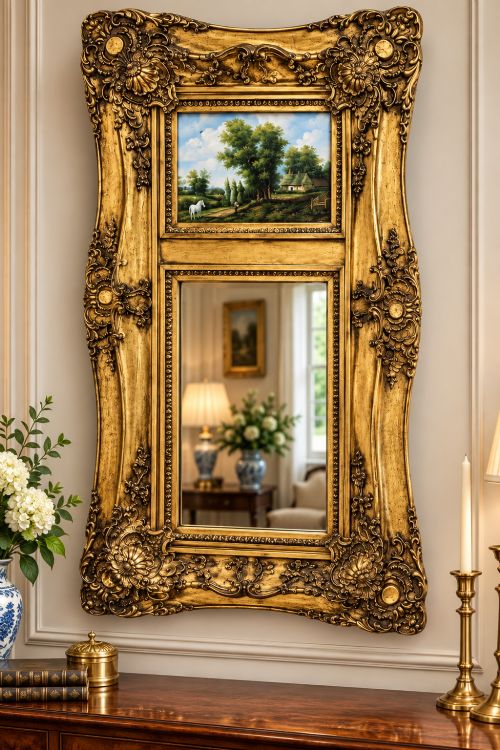
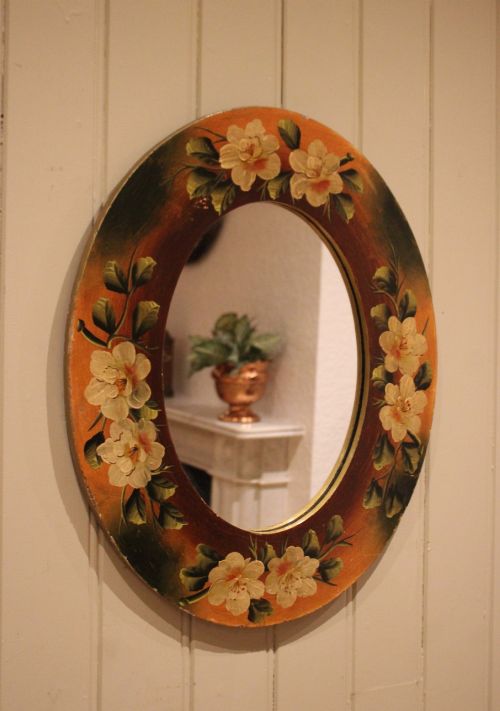
These vintage decorative wall frame pieces range from carved giltwood mirrors to painted panels, offering distinct character to a room.
Vintage Decorative Wall Frame
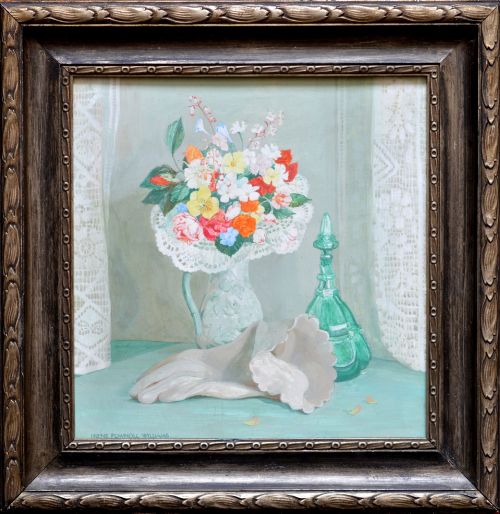
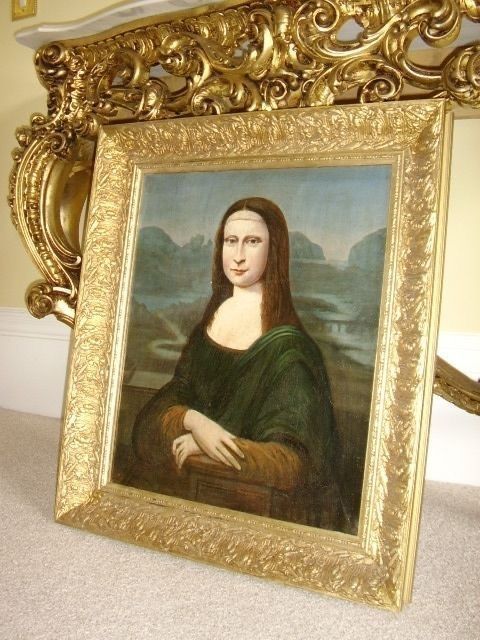
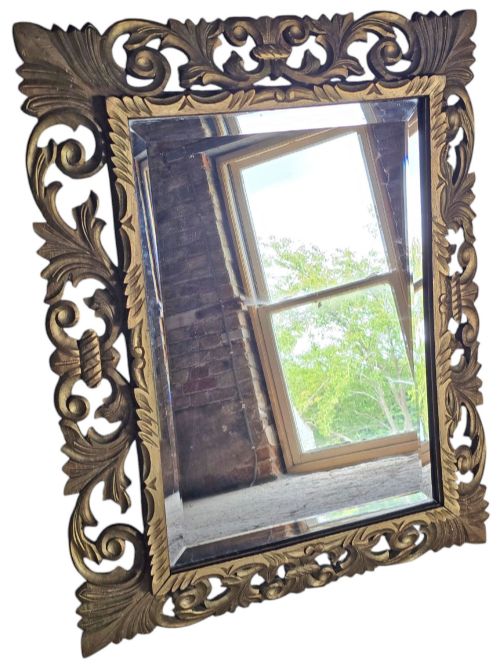
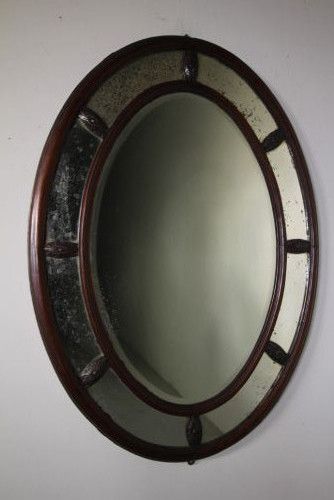
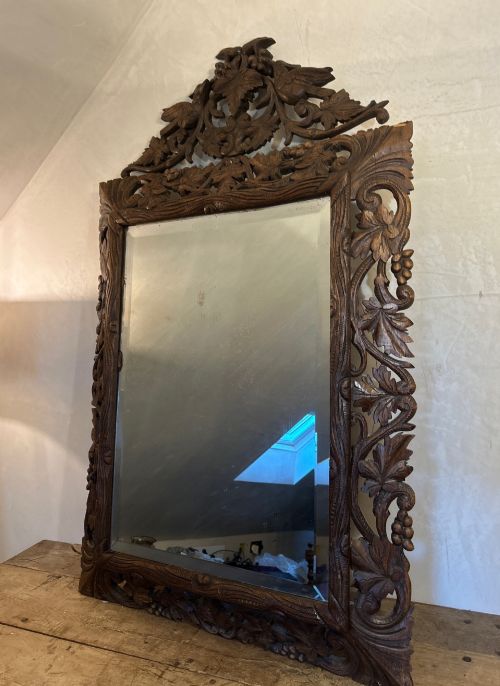
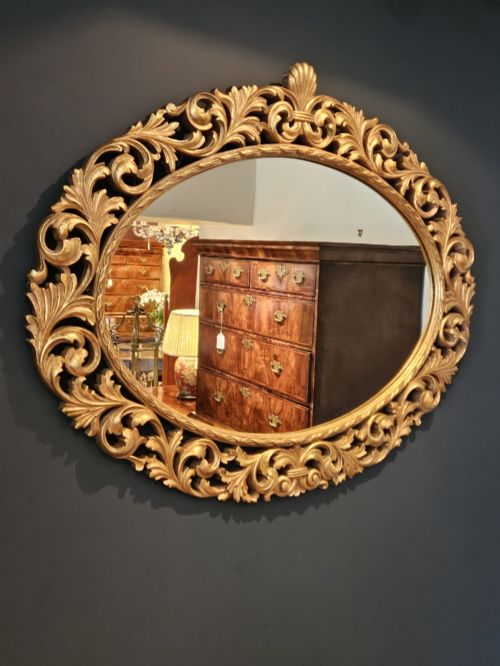
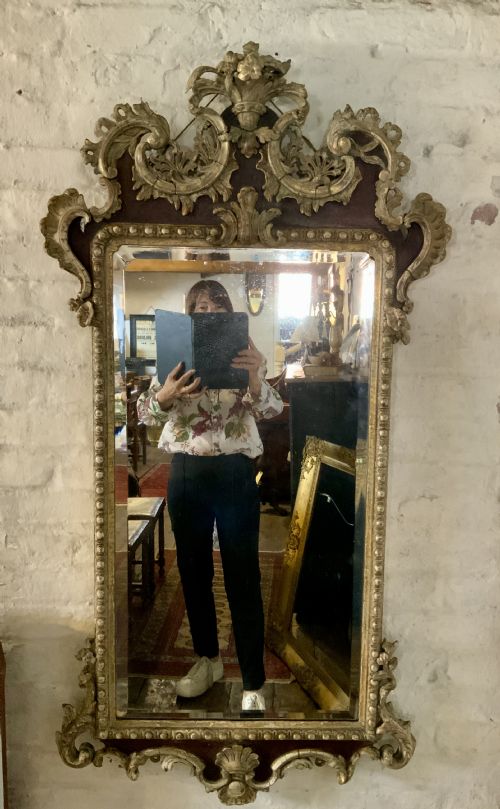
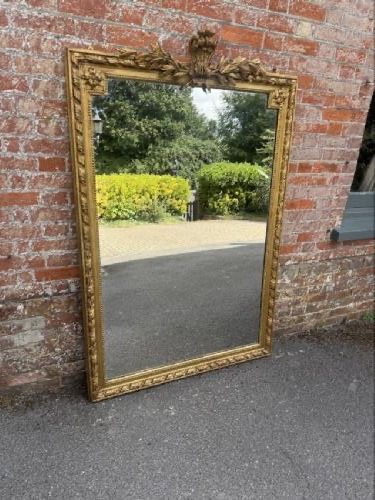
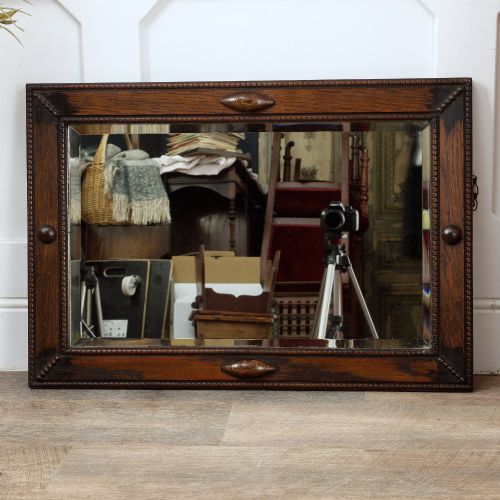
A vintage decorative wall frame selection encompasses mirrors, oil paintings, prints, and embroidered panels designed to hang on interior walls. Buyers searching for a vintage decorative wall frame frequently encounter ornate giltwood mirrors, carved timber surrounds, and framed artworks originating from the eighteenth century through to the mid twentieth century.
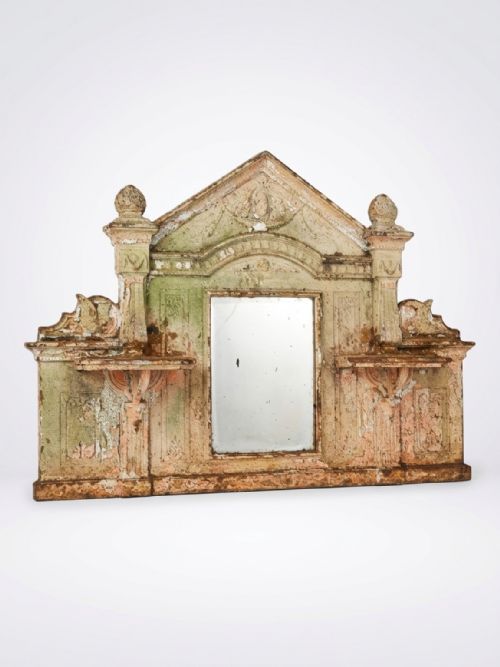
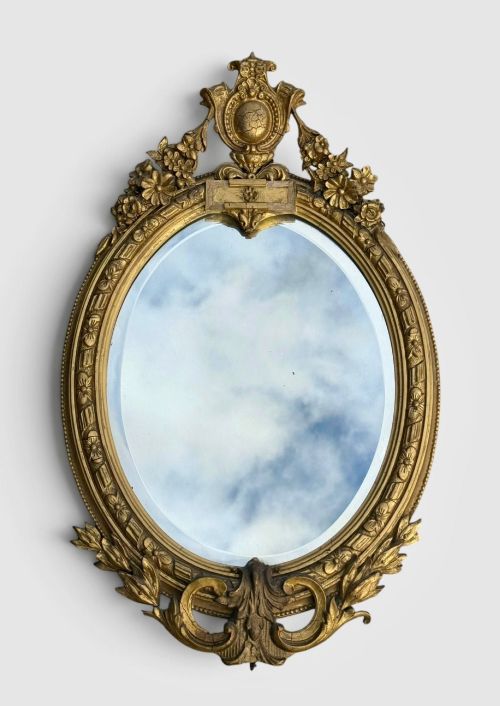
The objects recorded here span diverse regional origins and aesthetic movements, including Venetian, French Chateau, Rococo Revival, and Arts and Crafts examples. Many listings take the form of overmantle mirrors, girandoles, and oval portrait pieces, reflecting varied interior tastes across the Victorian era and the early twentieth century.
Stylistic variations range from restrained mahogany frames to elaborate Italian Florentine carvings and Chinoiserie accents. Each piece serves primarily as a decorative focal point, combining functional glass or canvas support with ornamental woodwork or metallic finishes.
Materials and construction
Makers constructed these frames predominantly from timbers such as oak, walnut, and mahogany, often applying gesso layers to carved wood surfaces prior to gilding. Gold leaf and paint finishes provide the reflective and decorative qualities seen on many of the nineteenth-century and early twentieth-century examples.
Techniques involve hand carving, parcel gilding, and moulding, with details like egg and dart patterns shaping the wooden borders. Glass plates, sometimes convex or engraved, sit within these frames alongside stretched canvases and paper prints.
Listings feature items from the eighteenth, nineteenth, and early twentieth centuries, utilising glass, wood, gesso, and gold leaf.
Assessing the range
Quality in these pieces rests upon the depth and precision of the hand carving within the wood or gesso, where crisp relief work distinguishes finer examples from simpler production. The application of gold leaf or paint contributes to the visual richness of the surface, showing variations in how light interacts with the material.
The integrity of the original joints, the preservation of early glass plates, and the subtlety of period finishes govern the standing of an item. Pieces retaining their original gilding and structural support represent the more accomplished end of the scale.
The Vintage Decorative Wall Frame Glossary
- Giltwood
- Wood carved and coated with gold leaf or gold paint. This technique defines many of the ornate mirrors found in period interiors.
- Gesso
- A plaster mixture applied to wood frames to create a smooth surface for subsequent carving and gilding. It allows for intricate moulded details.
- Girandole
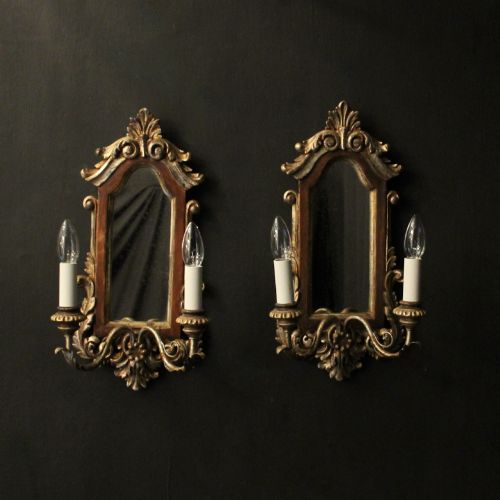
- A branched wall mirror designed to hold candles. The reflective glass enhances the light cast into the room.
- Parcel Gilt
- Woodwork partially covered in gold leaf while leaving underlying wood or paint exposed elsewhere. This creates contrast across the carved surface.
- Rococo
- An ornate design style marked by asymmetric scrolls, shell motifs, and natural curves. It appears frequently on eighteenth-century and revival frames.
Vintage Decorative Wall Frame: Frequently Asked Questions
How do I hang a heavy antique frame?
Heavy frames require secure wall fixings suited to the specific weight of wood, gesso, and glass. Professional picture hangers utilise appropriate wall plugs and brackets fixed directly into wall studs or masonry.
Ensuring the hanging wire or D-rings on the back match the load-bearing capacity prevents structural strain on the antique timber.
How do I clean an antique gilt frame?
Dusting gently with a dry, soft brush is the safest method for maintaining delicate giltwood surfaces. Avoid using commercial cleaning fluids or water, which can damage aged gesso and gold leaf.
For stubborn grime, professional conservation advice should be sought to prevent stripping the historic finish.
What is an overmantle mirror?
An overmantle mirror is a large wall mirror specifically designed to hang above a fireplace mantelpiece. These pieces often feature wide proportions to reflect light across the room and balance the hearth below.
They appear frequently in nineteenth-century domestic settings as central decorative statements.
How do I date a decorative wall frame?
Dating relies on observing wood types, joining techniques, mirror plate characteristics, and stylistic traits associated with specific periods. Eighteenth-century pieces display different construction methods compared to Victorian or early twentieth-century revivals.
Comparing the decorative motifs against known design movements helps narrow down the era of manufacture.