



Barr Flight Barr Urn
A barr flight barr urn brings together the finest porcelain artistry of the Georgian and Regency eras.
Barr Flight Barr Urn
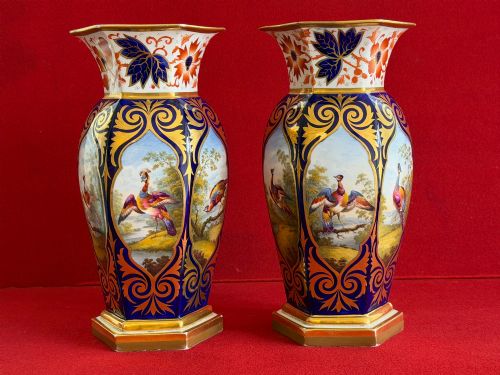
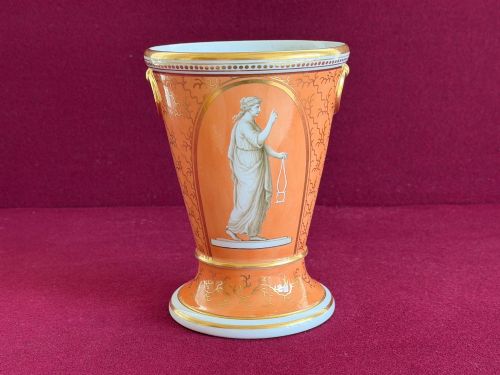
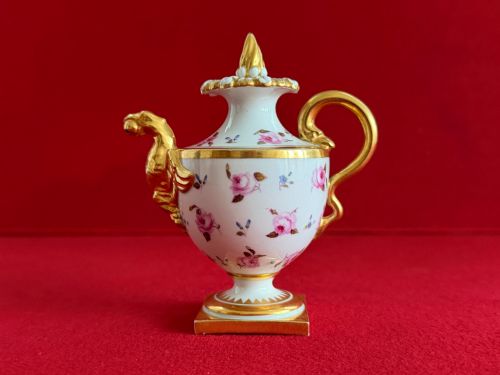
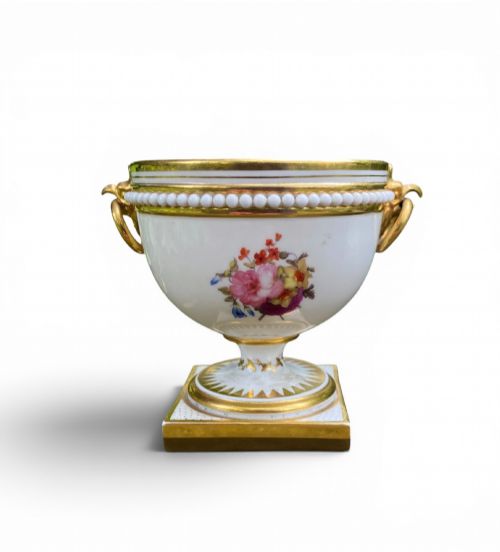
When you search for a barr flight barr urn, you are looking at distinguished English porcelain vessels produced by the Worcester factory during its famous partnerships under the Flight and Barr families. These pieces span the Georgian and Regency periods, encompassing grand decorative vases, jardinieres, rose water sprinklers, ice pails, and bough pots.
The most common examples you will encounter on this page date from the early nineteenth century, particularly between eighteen hundred and eighteen twenty five. They display the refined forms characteristic of Grand Regency and Regency design, often featuring classical shapes adapted for elite domestic display.
These ceramic vessels served both decorative and functional purposes in affluent interiors, ranging from garnitures of vases on mantelpieces to specialised tableware like sauce tureens and cream tureens. Collectors prize them for their direct connection to the premier Worcester porcelain works of the period.
How they were made
Makers fashioned these porcelain vessels using soft-paste porcelain, carefully shaping the body before firing. Skilled artisans then applied detailed enamelling and rich gilding, often incorporating hand-painted topographical scenes or traditional motifs.
Gold leaf and extensive gilt highlights were meticulously hand-applied to handles, rims, and borders, requiring immense precision from the decorators at the Worcester works. The combination of delicate porcelain bodies with vibrant enamel and gold leaf defines the technical standard of these pieces.
Some nineteenth-century diners required rose water sprinklers at the table to refresh their hands between courses.
What varies in quality
The distinction between standard production and the finest work lies in the ambition of the form and the execution of the decoration. Pieces featuring named painters, such as Thomas Lowe, or complex topographical views represent the highest tier of craftsmanship.
Pairs, garnitures, and specialised vessels like ice pails or rose water sprinklers demand greater skill in both throwing and firing than single standard vases. The crispness of the gilt handles and the preservation of the enamel colours further separate average items from exceptional examples.
Flight And Barr·Barr Flight And Barr·Royal Worcester·Thomas Lowe
The Barr Flight Barr Urn Glossary
- Porcelain
- A fine, vitreous ceramic material made from kaolin and petuntse, fired at high temperatures to achieve a white, translucent body. It served as the essential medium for all Worcester factory production.
- Gilding
- The application of gold leaf or powdered gold to the surface of the ceramic. This technique was heavily utilised on handles, rims, and decorative borders.
- Bough Pot
- A decorative container specifically manufactured to hold cut branches or flowers for interior decoration. They typically included pierced covers to keep stems in place.
- Enamel
- A glassy substance fused to the porcelain surface through firing to create colourful painted decoration. It provided the vibrant hues seen on topographical scenes and floral motifs.
Barr Flight Barr Urn: Frequently Asked Questions
What is a barr flight barr urn?
It is a piece of fine English porcelain produced by the Worcester factory under the management of the Flight and Barr families during the Georgian and Regency eras.
These vessels include decorative vases, jardinieres, and specialised vessels made with soft-paste porcelain and detailed gilding.
How do I date these porcelain pieces?
Dating relies on the specific factory partnership name marked on the base, stylistic indicators of the Georgian and Regency periods, and manufacturing techniques.
Most items seen here cluster around the early nineteenth century, particularly between eighteen hundred and eighteen twenty five.
How were these urns used originally?
Wealthy households used them primarily as decorative ornaments on mantelpieces and tables, often arranged in symmetrical pairs or larger garnitures.
Some specialised forms, such as rose water sprinklers, ice pails, and bough pots, fulfilled specific domestic and dining functions.
How should I care for antique porcelain?
Keep these fragile soft-paste pieces away from direct sunlight and areas subject to sudden temperature fluctuations to protect the enamel and gold leaf.
Dust them gently with a soft, dry brush and avoid using water or chemical cleaning agents on the gilded surfaces.