
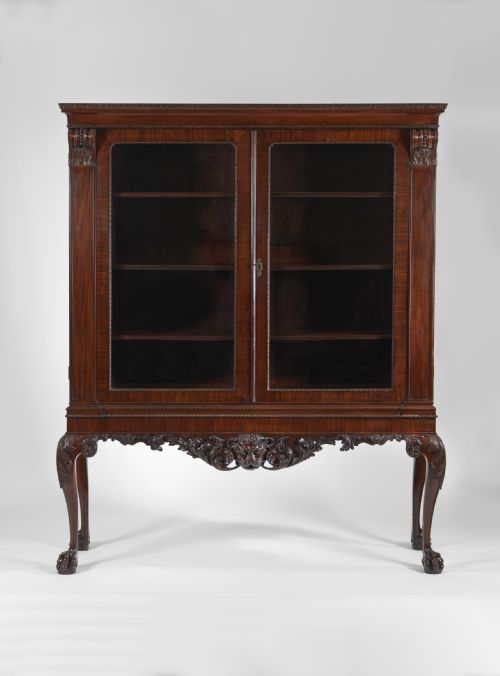


Ball and Claw Bookcase
A ball and claw bookcase brings substantial presence and traditional joinery to a room, offering both display space and practical storage.
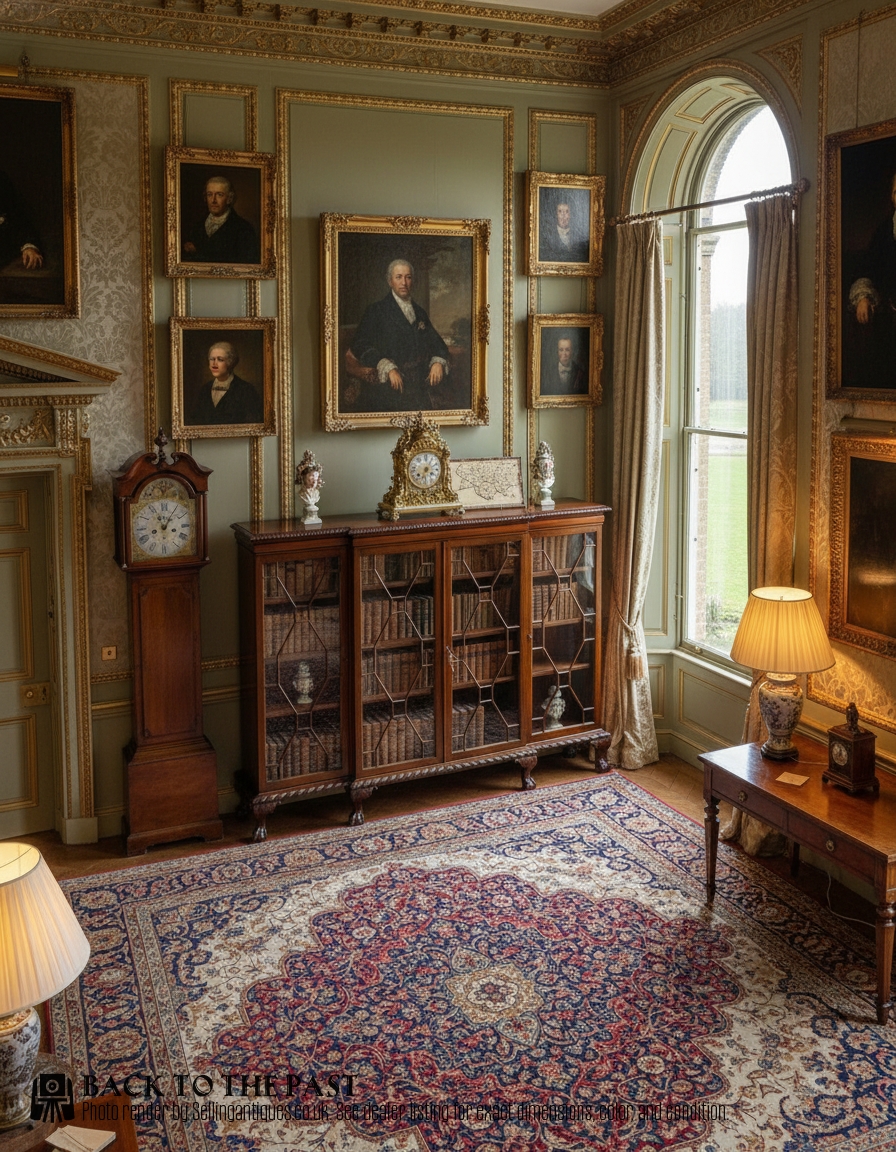
Ball and Claw Bookcase
A ball and claw bookcase combines prominent carved foot details with shelving or glazed cabinets, drawing directly on historical furniture forms. The examples you encounter span from eighteenth-century originals to later revival pieces produced across the nineteenth and twentieth centuries.
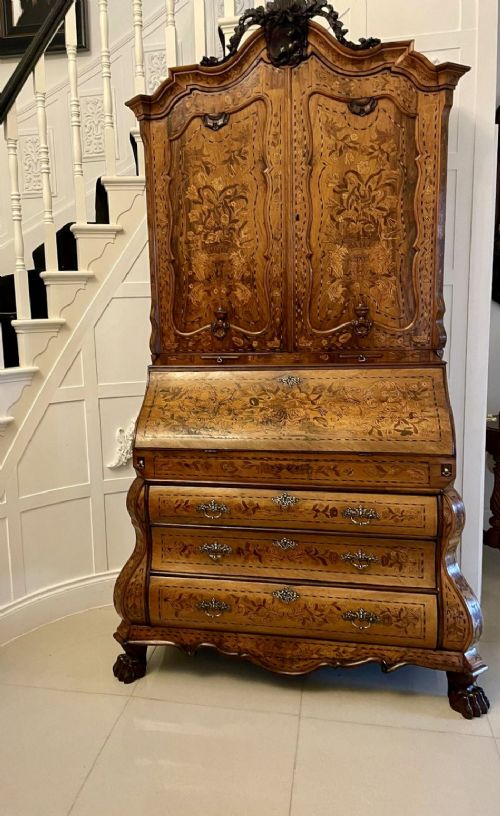
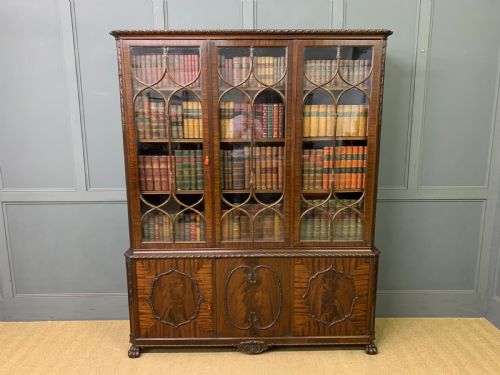
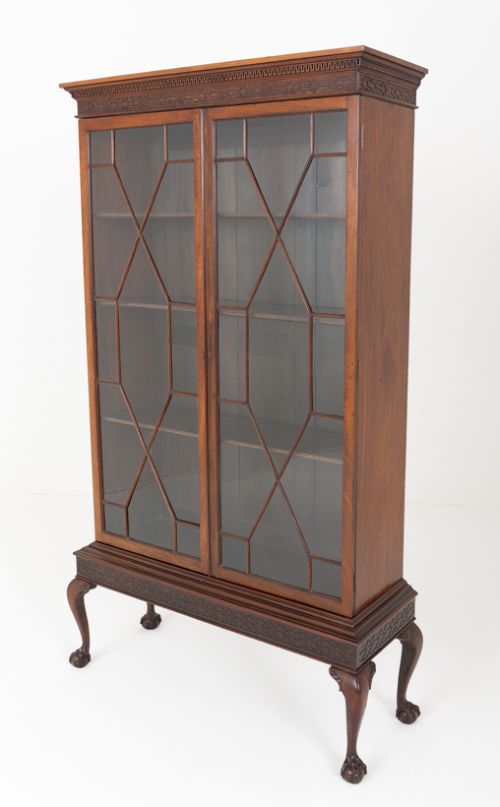
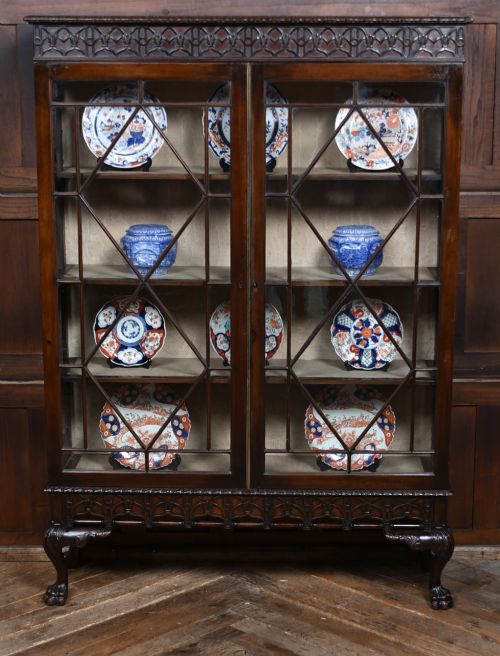
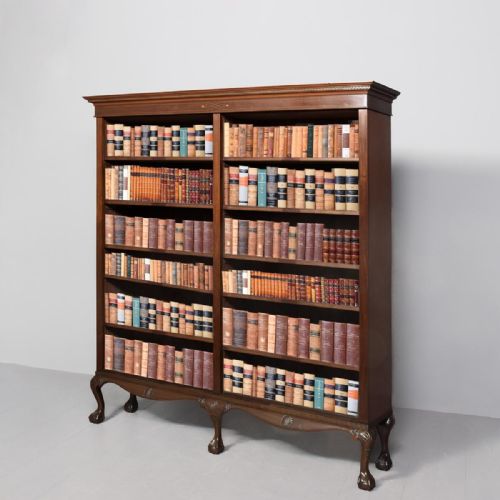
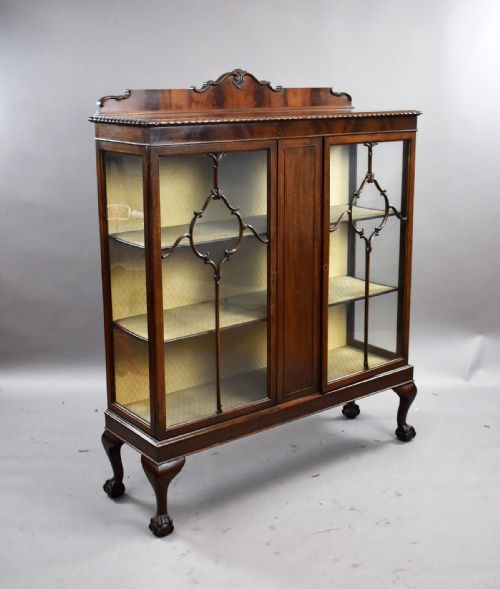
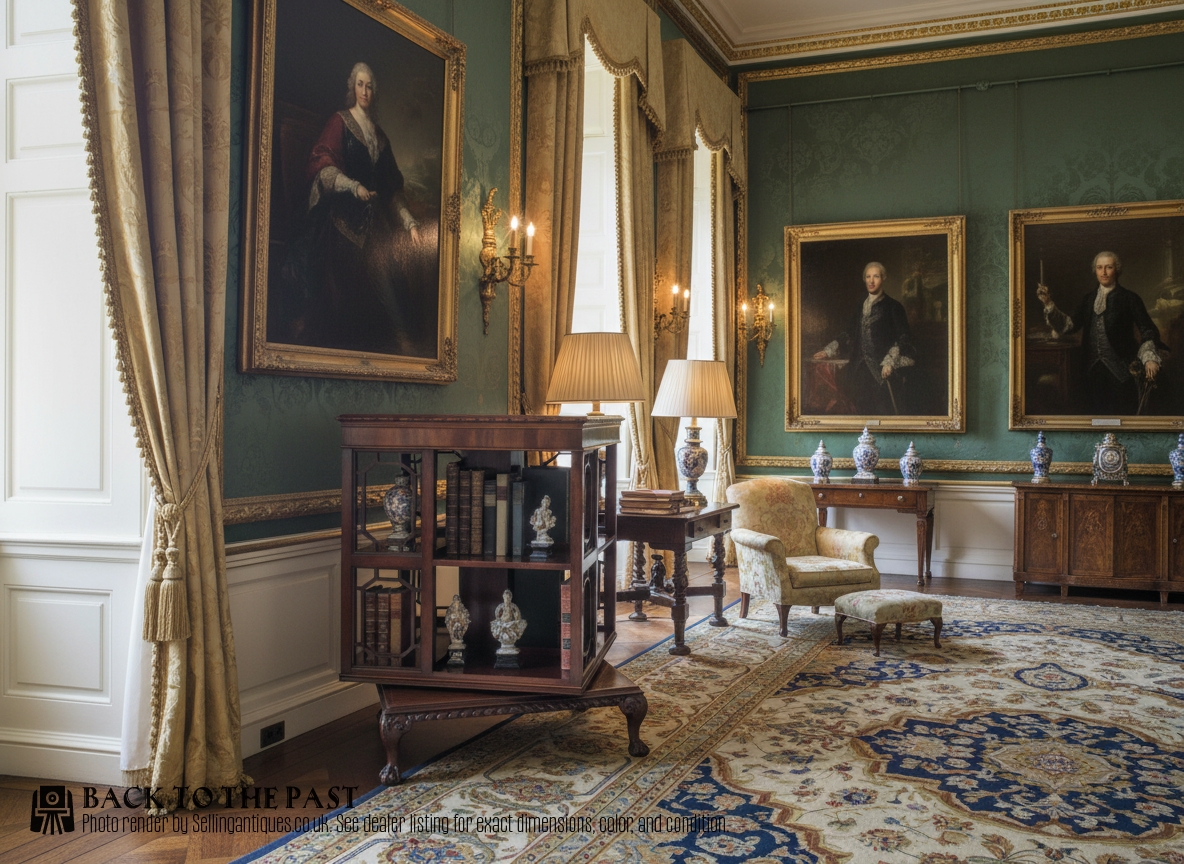
Most entries in this category lean towards Chippendale Revival and Edwardian interpretations executed in mahogany or walnut. These pieces range from tall narrow cabinets and revolving designs to breakfront bookcases and bureau bookcases with glazed upper sections.
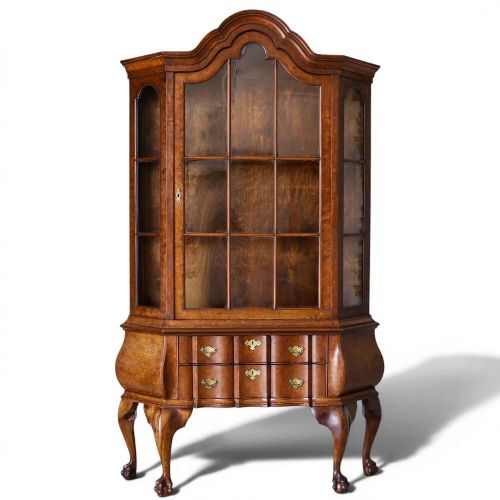
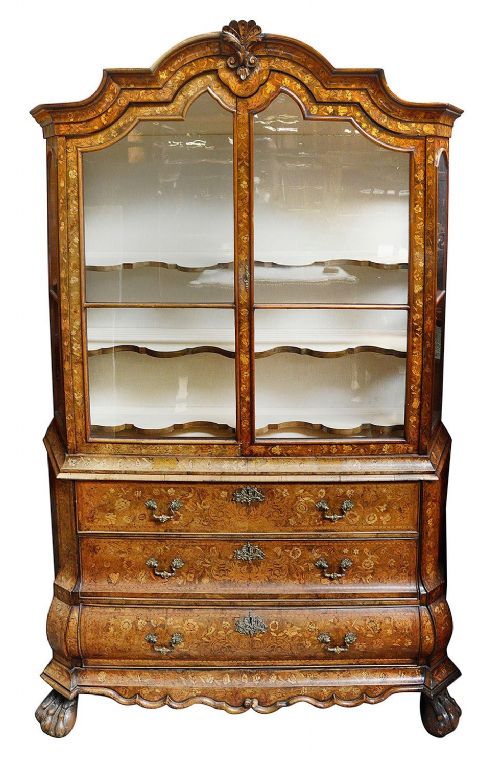
You also find occasional variations including Dutch baroque revival models and inlaid open shelving. Each form prioritises the combination of display space for books or objects with the distinctive claw-and-ball foot design.
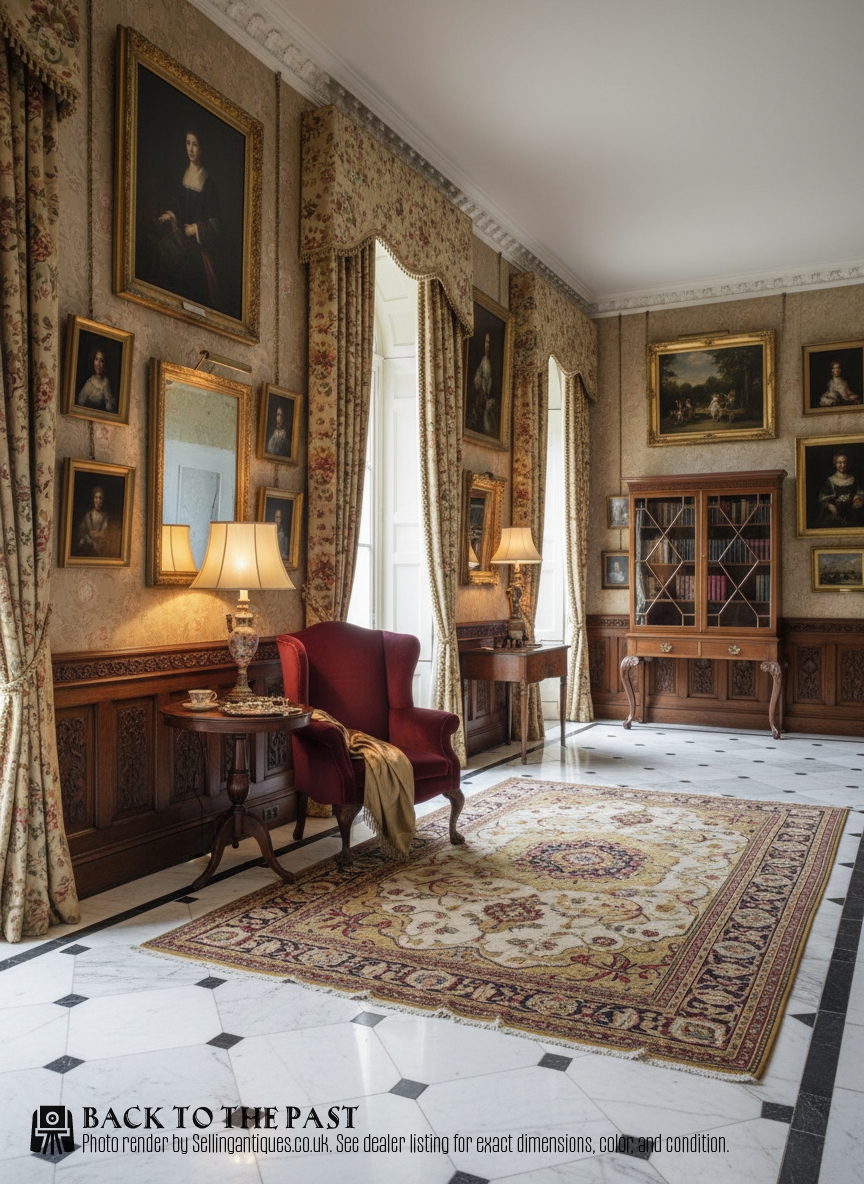
What varies in quality
The precision and depth of the foot carving distinguish finer examples from standard production, as master carvers achieved greater naturalism in the talons and sphere. Timber selection also dictates grade, with figured mahogany and finely matched walnut veneers showing superior grain patterns compared to plain stock.
Proportion and execution of historical styles set higher-tier items apart, particularly in revival pieces that adhere closely to eighteenth-century proportions. Original glass panes, intact brassware, and careful joinery further elevate the standing of an individual cabinet.
Ball and Claw Bookcase Retail Price Guide 2026
Typical asking prices for ball and claw bookcase among the pieces listed under this phrase on Sellingantiques today, from the lower quarter to the upper quarter. They describe what is for sale here now, not the wider market.
Listings span the eighteenth, nineteenth, and twentieth centuries, incorporating Edwardian interpretations alongside original Georgian styles.
Hille
The Ball and Claw Bookcase Glossary
- Chippendale Revival
- A late nineteenth and early twentieth-century style reproducing the mid-eighteenth-century furniture designs associated with Thomas Chippendale. It frequently incorporates ball and claw feet and elaborate mahogany carving.
- Breakfront
- A cabinet design where the central section projects forward from the flanking outer sections. This configuration adds architectural depth to large bookcases and display cabinets.
- Bureau Bookcase
- A dual-purpose form featuring a sloping writing flap or bureau desk combined with a shelving or glazed cabinet upper section. These pieces offer both workspace and enclosed storage.
- Vitrine
- A glass-sided display cabinet designed specifically for showing porcelain, silver, or curiosities. They often feature glazed doors on multiple sides to maximise visibility.
- Marquetry
- A decorative technique where thin pieces of wood veneer are fitted together to form pictorial or geometric patterns on a furniture surface. It appears on Dutch revival pieces.
Ball and Claw Bookcase: Frequently Asked Questions
What is a ball and claw bookcase?
A ball and claw bookcase is a storage or display unit featuring furniture feet carved to resemble a bird's talon or animal paw grasping a sphere. These cabinets range from open shelving to glazed bureau bookcases.
Most examples found in this category date from the Edwardian era and the early twentieth century, alongside eighteenth-century prototypes and revival pieces.
How do I date a mahogany bookcase?
Dating involves examining the timber grain, construction methods, and stylistic revival markers. Edwardian and early twentieth-century pieces often combine machine-prepared lumber with traditional hand-carved details.
Earlier eighteenth-century examples exhibit distinct construction techniques, hand-sawn timber marks, and period-specific brass hardware that differ from later revival interpretations.
Where should I place a display cabinet?
These cabinets suit studies, drawing rooms, or libraries where their substantial timber frames and glass doors can be fully appreciated. Keep them away from direct sunlight to protect timber finishes and wood veneers.
Ensure adequate floor space to accommodate the projecting carved feet without obstructing room traffic or doorways.
Are these bookcases suitable for everyday use?
Solid mahogany and oak construction makes these pieces sturdy enough for daily book storage and display. Adjustable shelving in many models allows for varied book heights.
Care should be taken with glazed doors and delicate carved feet when moving or cleaning the furniture.