
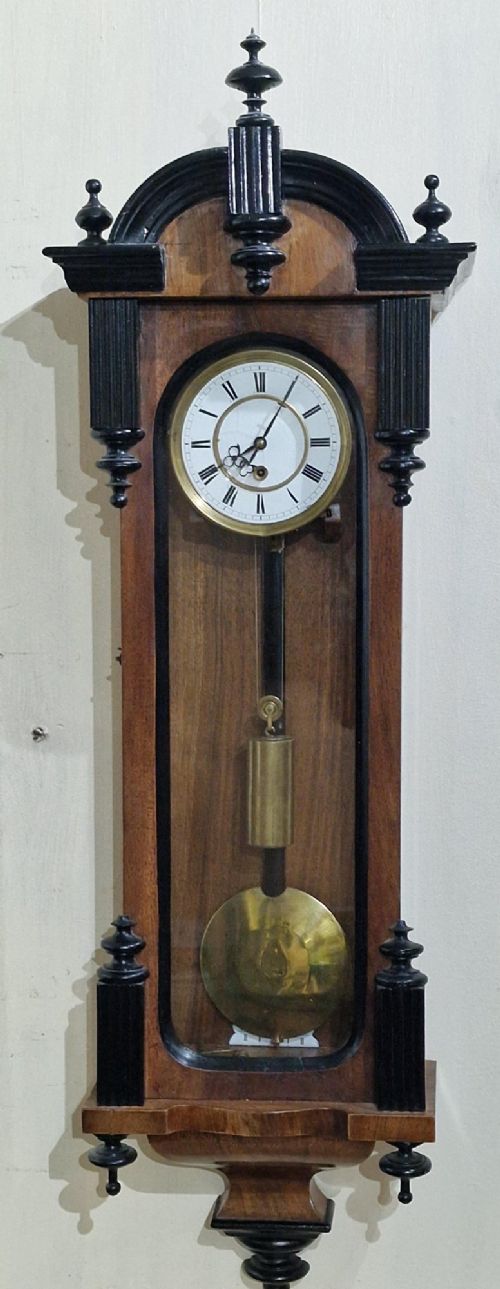

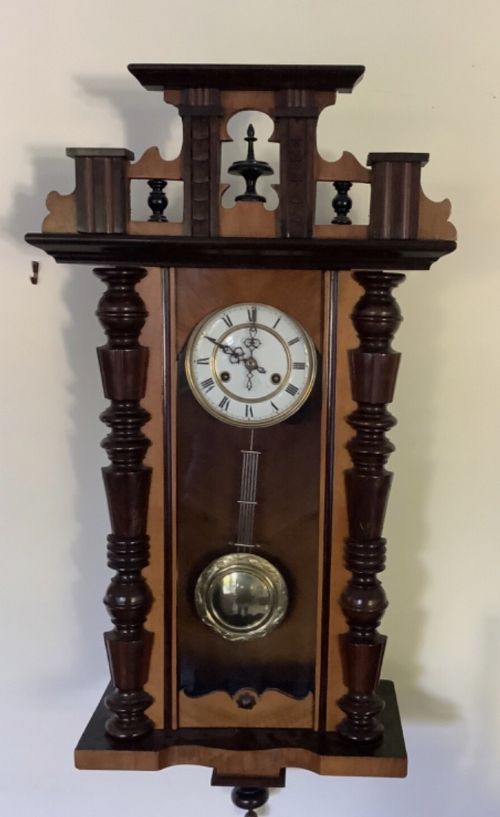


Austrian Regulator Clock
An austrian regulator clock brings precision timekeeping and architectural walnut or mahogany cases to the wall.
Austrian Regulator Clock
An austrian regulator clock is a precision wall-hanging timepiece originating primarily from the nineteenth century. These clocks combine careful mechanical movements with polished timber cases designed to showcase the pendulum and weights.
Buyers meet several distinct forms on this page, ranging from a compact Biedermeier wall clock to an elaborate Victorian or Vienna regulator. Many examples date from the mid-nineteenth century around eighteen-fifty through to nineteen-hundred.
The styles span Biedermeier, Victorian and Gothic influences, alongside specific forms such as the Dachluhr. Each wall clock presents a glazed door that frames the dial and the swinging pendulum within.
How they were made
Makers constructed the cases using timber such as walnut, mahogany, and ebonised wood. These woods received careful polish to highlight the grain and complement the architectural lines of the wall clock.
Listings feature materials including walnut, mahogany, brass, glass, and enamel across the nineteenth century.
What varies in quality
Quality rests upon the complexity of the movement and the execution of the case. A month duration or a Grande Sonnerie strike mechanism denotes a higher tier of clockmaking than a standard eight-day timepiece.
The refinement of the timber work and the clarity of the enamel dial further distinguish better examples. Finer proportioning in styles like the Biedermeier Dachluhr separates standard production from superior craftsmanship.
The Austrian Regulator Clock Glossary
- Dachluhr
- An early form of Austrian regulator clock featuring a distinct long glass door and architectural wall-hanging case. This style emerged during the Biedermeier period.
- Grande Sonnerie
- A striking mechanism that sounds both the hours and the quarters on every quarter hour. This complex feature denotes superior mechanical quality.
- Vienna Regulator
- A weight-driven precision wall clock developed in nineteenth-century Austria. These pieces are celebrated for their accurate timekeeping and visible pendulums.
- Biedermeier
- A Central European design style spanning the mid-nineteenth century that favoured clean lines and plain wood veneers. It heavily influenced early Austrian clock cases.
- Ebonised wood
- Timber treated to resemble ebony, often used for contrast or dark framing on nineteenth-century clock cases. This technique provided a formal, polished appearance.
Austrian Regulator Clock: Frequently Asked Questions
What is an austrian regulator clock?
An austrian regulator clock is a weight-driven wall timepiece designed for high accuracy. They originated in the nineteenth century and feature glazed wooden cases.
These clocks display the pendulum and dial behind glass doors. Styles range from simple Biedermeier pieces to complex Vienna regulators.
How do these wall clocks work?
These clocks operate via a weight-driven movement suspended inside the wooden case. A pendulum regulates the speed to ensure accurate timekeeping.
More advanced models include multiple weights to power striking trains, such as the Grande Sonnerie mechanism which chimes the quarters.
Where should I hang one?
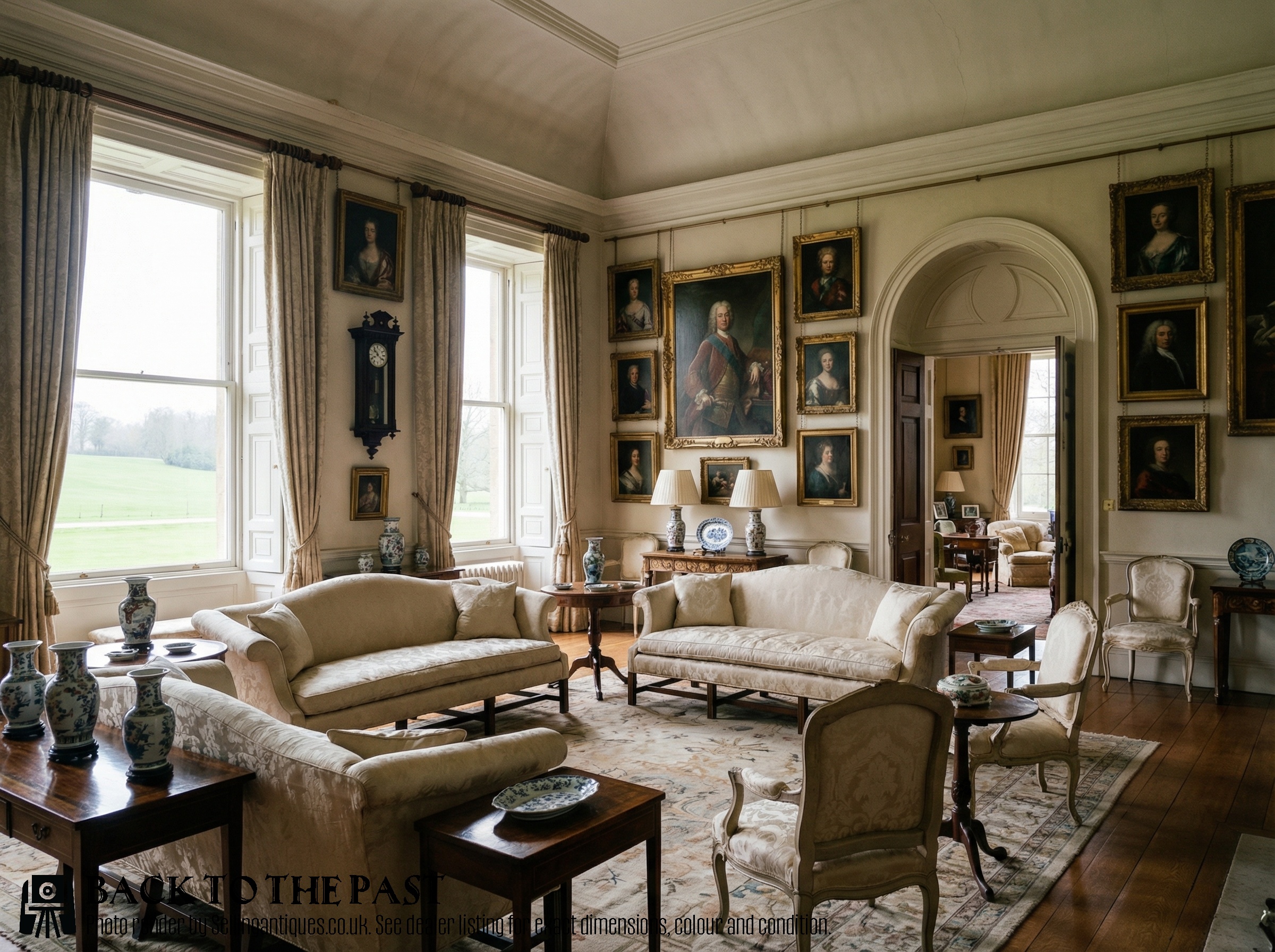
An austrian regulator clock requires a sturdy interior wall with a stable surface. Proper mounting ensures the pendulum swings freely without touching the case back.
Keep them away from direct sunlight and damp environments to protect the polished walnut or mahogany wood and enamel dials.