


Asian Wooden Chest
An asian wooden chest brings centuries of regional craftsmanship and storage utility into a modern interior.
Asian Wooden Chest
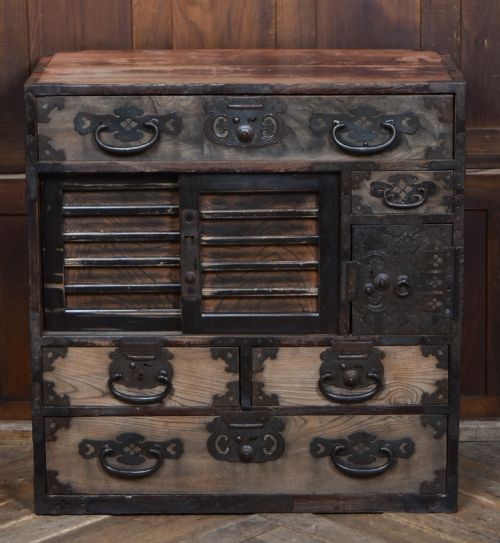
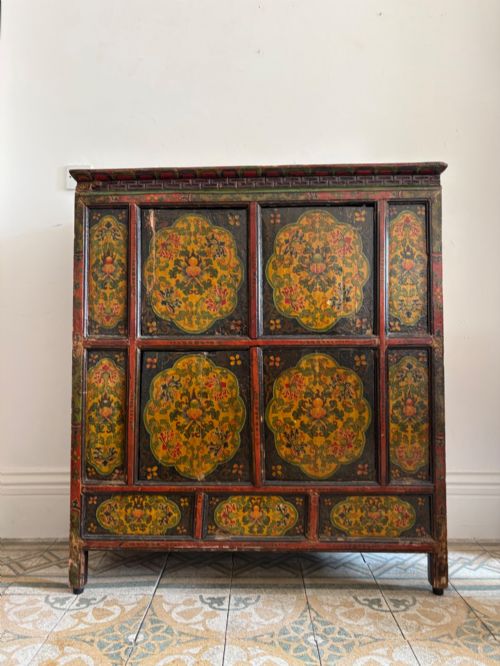
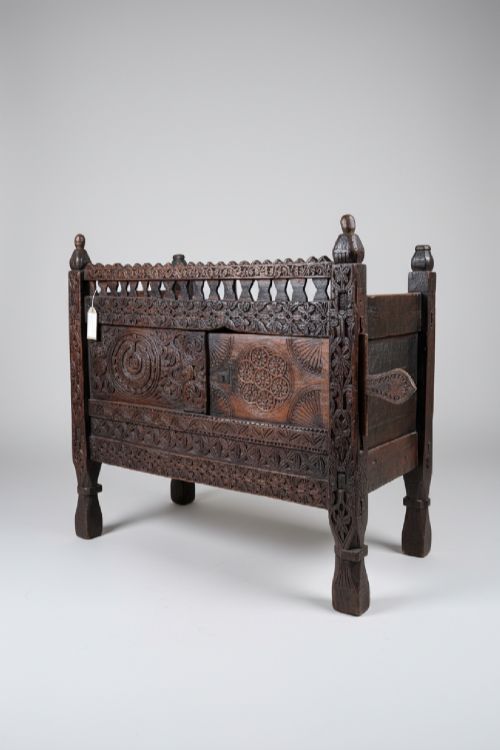
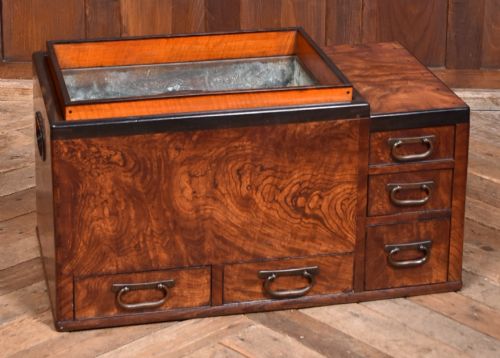
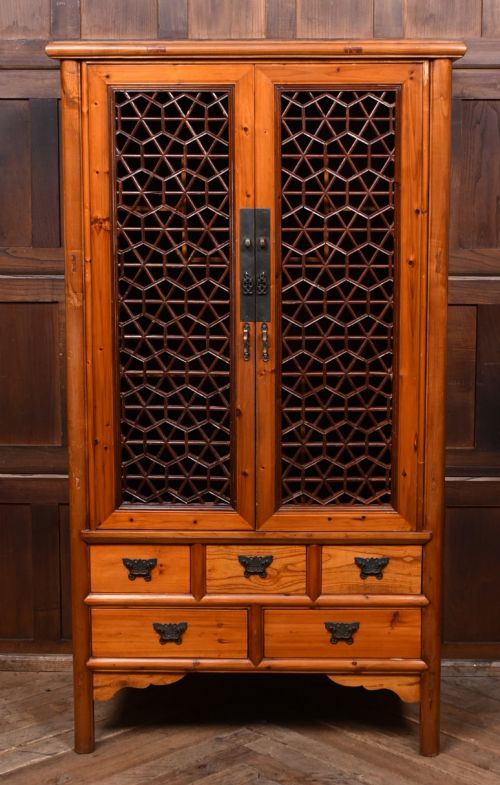
When buyers search for an asian wooden chest, they encounter a diverse selection of storage vessels originating from China, Japan, Tibet, Korea, and Afghanistan, dating from the seventeenth century through the early twentieth century. The inventory spans regional variants including Chinese camphorwood trunks, Korean elm cabinets, and multi-drawer Japanese tansu chests designed for domestic or mercantile storage.
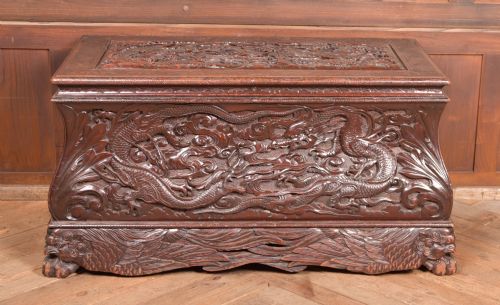
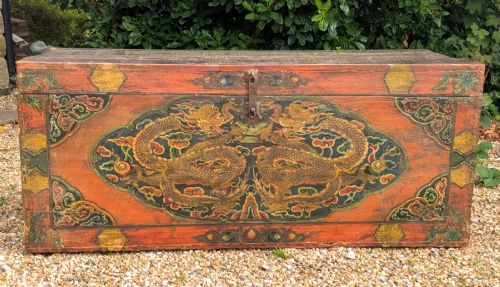
The most common examples on this page are nineteenth-century Japanese tansu chests and Chinese camphor wood blanket boxes or trunks. These pieces range from utilitarian kitchen cupboards and wheeled merchant chests to heavily carved boxes and painted dowry chests.
How they were made
Wood selection defines these pieces, utilising indigenous timbers such as camphor wood, elm, cedar, keyaki, burr elm, rosewood, and hardwood. Cabinetmakers paired these timbers with contrasting structural elements forged from iron and brass hardware.
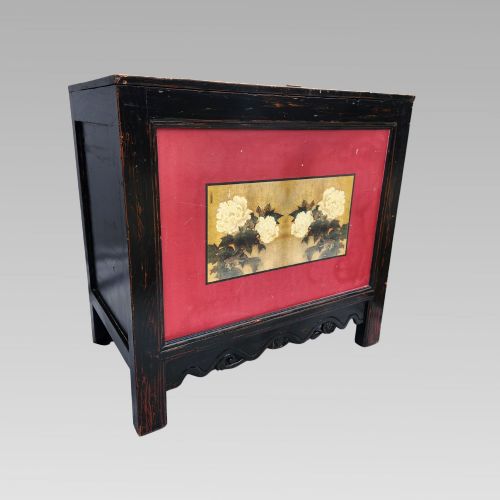
Surface finishes include black and red lacquer, hand-painted floral decoration, Chinoiserie motifs, and intricate surface carving. Inlaid details incorporating mother of pearl further complement the primary wooden structures.
Among the storage pieces are wheeled Kuruma-Dansu chests designed so merchants could roll their wealth away from approaching fires.
What varies in quality
The distinction between tiers rests in the ambition of the joinery and the depth of the decorative programme. Pieces featuring dense carving, specialised hardwoods like huanghuali or keyaki, and integrated metalwork sit apart from simpler utilitarian storage boxes.
Originality of surface finish and hardware also separates examples, particularly where painted lacquer, brass mounts, and natural timber grains remain intact without modern intervention.
The Asian Wooden Chest Glossary
- Tansu
- Traditional Japanese mobile storage cabinetry built for specific domestic or mercantile functions. These modular chests often incorporate numerous internal drawers and sliding doors.
- Chinoiserie
- European-derived artistic interpretation of Chinese and East Asian decorative motifs. This style appears on cabinets and storage chests through painted scenes and lacquered surfaces.
- Camphor Wood
- A fragrant hardwood traditionally utilised for blanket boxes and storage trunks. Its natural aromatic properties repel insects and protect stored textiles.
- Keyaki
- Japanese zelkova timber valued for its dense grain and strength. Makers utilised this hardwood for high-quality merchant and storage tansu.
- Zenibako
- A traditional Japanese money box fitted with internal compartments and secure hardware. These portable wooden containers served commercial purposes in shops.
Asian Wooden Chest: Frequently Asked Questions
Why use camphor wood for chests?
Camphor wood produces a distinct natural aroma that protects stored textiles from moths and insects. This functional property made the timber an ideal choice for blanket boxes and luggage trunks.
Carpenters valued the wood for both its protective qualities and its capacity to accept detailed hand-carved surface decoration.
How do I care for an antique wooden chest?
Keep wooden storage chests away from direct heat sources and sudden humidity fluctuations to prevent timber splitting or lacquer degradation. Maintain the surface by dusting gently with a dry, soft cloth.
Avoid applying modern polishes or chemical cleaners that might damage historical lacquer, painted decorations, or exposed wood finishes.
How can I tell the period of a chest?
Dating relies on examining the construction techniques, timber selection, wear patterns, and accompanying metal hardware such as brass or iron locks and hinges. Stylistic indicators like Qing Dynasty motifs or Meiji period Japanese designs provide chronological context.
Comparing the specific joinery methods and original surface treatments against documented examples helps confirm the era of manufacture.