


Asian Storage Coffer
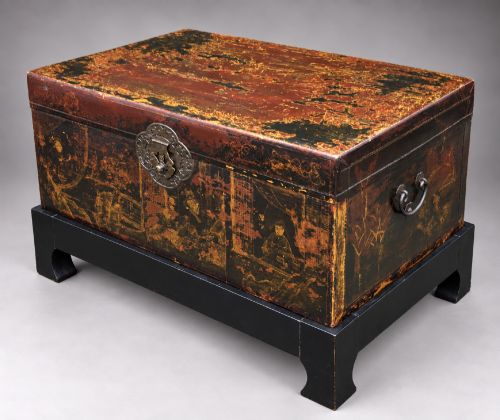
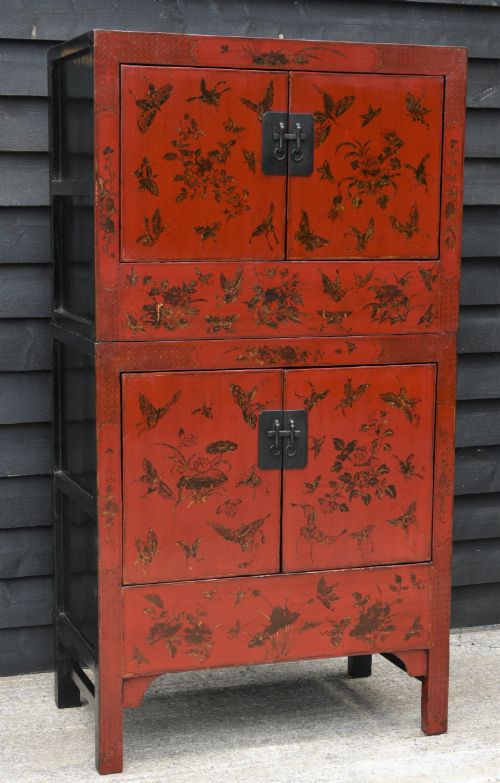
An asian storage coffer brings substantial timber, deep lacquer, and heavy brass hardware into a room to hold blankets or linens.
Asian Storage Coffer
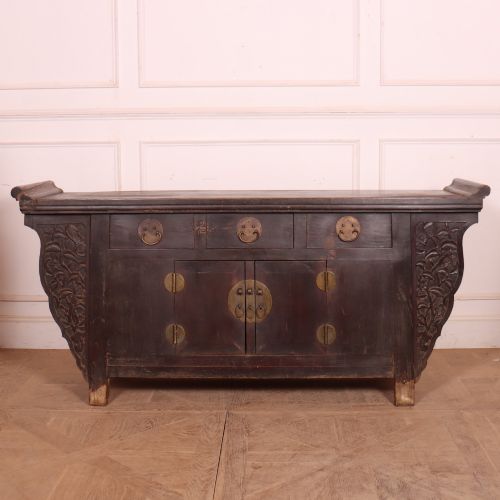
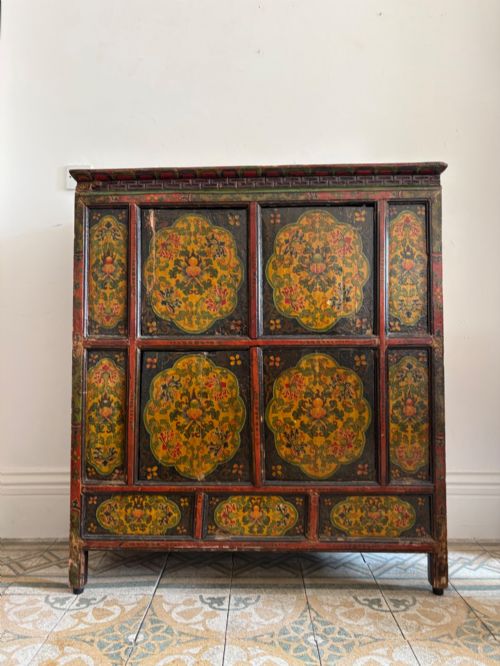
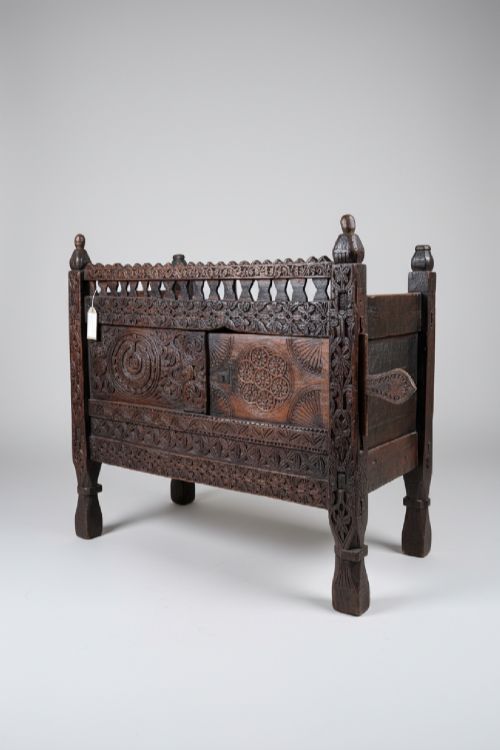
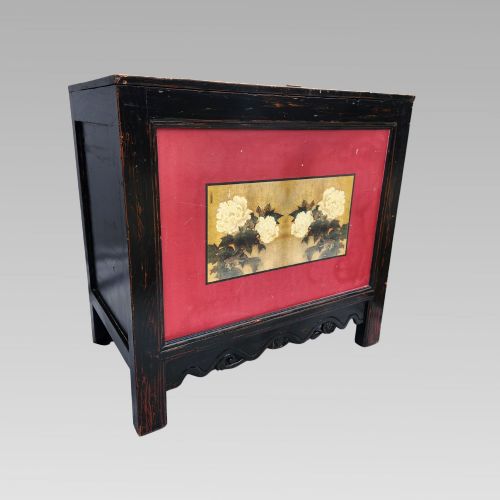
When you search for an asian storage coffer, you encounter heavy chests, blanket boxes, and low cabinets built across various Asian regions. The pieces appearing here span the eighteenth, nineteenth, and early twentieth centuries, reflecting diverse provincial workshops and export traditions.
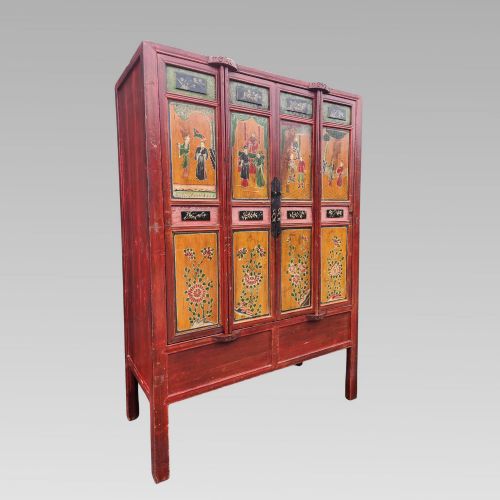
You are most likely to meet Chinese camphor wood trunks and elm sideboards, alongside Japanese tansu chests and Korean bandaji boxes. These utility items range from plain dowry chests to brightly painted marriage cabinets and lacquered shipping trunks.
Many examples arrive with brass hinges, corner plates, and lock plates that contrast against dark timber or colourful lacquer surfaces. Their forms vary from lift-lid blanket boxes to multi-drawer cabinets and chests on raised stands.
Materials and construction methods
The makers relied on solid timbers such as aromatic camphor wood, elm, and assorted hardwoods to build sturdy frames that could withstand long journeys and daily use. Camphor wood was particularly favoured for blanket boxes because its natural scent helped repel moths and insects from stored textiles.
Surface finishes include smooth black or red lacquer, floral Chinoiserie decoration, hand-painted Tibetan pigments, and pig skin applied over wooden frames. Blacksmiths forged heavy brass and iron hardware, mounting strapwork and drop handles to reinforce the corners and lids.
Current listings feature pieces built from fragrant camphor wood, elm, and hardwood, alongside finishes in black lacquer, red lacquer, and hand-painted pigments.
Distinguishing quality in older coffers
Quality rests primarily in the crispness of the hand-carving and the depth of the lacquer layers applied to the timber frame. Pieces featuring intricate relief carving or well-preserved original painted decoration command greater attention than plain utility boxes.
The integrity of the original brass or iron hardware and the survival of the finish in untouched condition elevate a piece significantly. Superior examples retain their fitted interior compartments, original stands, and functional locking mechanisms without extensive modern intervention.
The Asian Storage Coffer Glossary
- Bandaji
- A traditional Korean storage chest featuring a drop-front panel that opens to reveal internal compartments and drawers.
- Camphor wood
- An aromatic timber native to Asia used widely for blanket chests because its natural oils deter insects.
- Chinoiserie
- European-derived artistic interpretation of Chinese decorative motifs, frequently found on lacquered export trunks and cabinets.
- Tansu
- Traditional Japanese mobile cabinetry and storage chests built with exposed joinery and iron mounts.
- Lacker
- A durable resin finish built up in multiple coats to create a glossy protective surface on wooden furniture.
Asian Storage Coffer: Frequently Asked Questions
What were asian storage coffers originally used for?
These pieces served as secure containers for valuable textiles, garments, marriage dowries, and official documents within traditional households. Their heavy construction and robust locks protected precious goods from moisture, dust, and theft.
Over time, specific regional forms developed for distinct domestic needs, ranging from simple blanket boxes kept at the foot of a bed to elaborately mounted chests used by merchants and travellers.
How do I care for a lacquered wooden chest?
Keep wooden and lacquered pieces away from direct sunlight, intense heat sources, and rapid humidity fluctuations to prevent the timber from splitting and the lacquer from crazing. Dust the surface gently with a soft, dry cloth without applying modern chemical polishes or abrasive cleaners.
Maintain stable indoor conditions, particularly during winter months when central heating dries out the surrounding air and stresses the ancient joinery.
How can I tell the difference between Chinese and Japanese chests?
Chinese storage pieces frequently display symmetrical brass hardware, carved panels depicting floral or figural scenes, and rich red or black lacquer finishes. Japanese tansu chests often emphasise visible structural joinery, flush sliding doors, and functional iron strapwork designed for ease of movement.
Examining the underlying timber species and construction techniques reveals distinct regional preferences that separate provincial Chinese workshops from Japanese cabinetmakers.
Where should I place a heavy storage chest at home?
Position these substantial pieces against a sturdy wall in a hallway, living room, or bedroom where their weight and presence can anchor the room. Low coffers and sideboards also function well beneath large artworks or mirrors while providing practical hidden storage.
Ensure the floor can support the combined weight of dense hardwood timber and heavy metal hardware, especially when placing larger cabinets or multi-drawer tansu chests.