
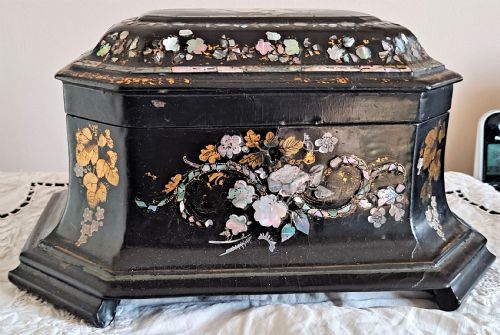

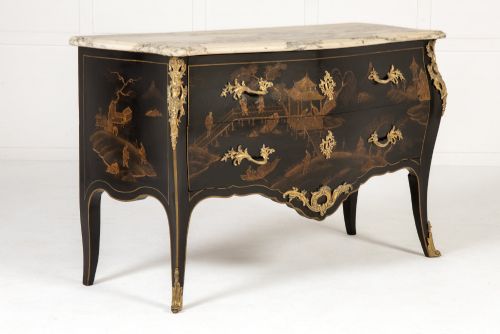


Gilt Lacquered Chest
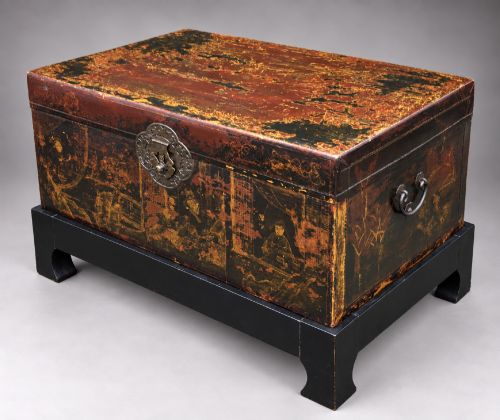
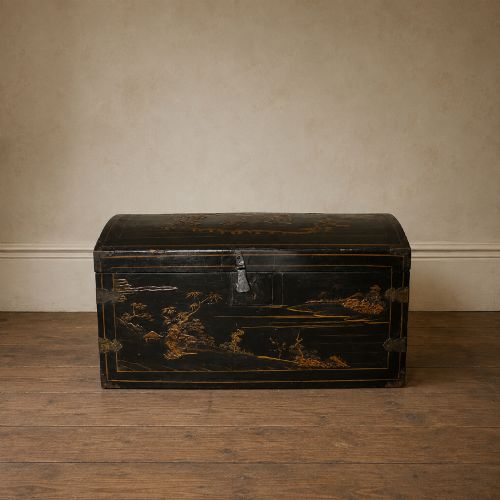
A gilt lacquered chest brings an opulent surface of gold and deep lacquer into a room, offering both substantial storage and decorative presence.
Gilt Lacquered Chest
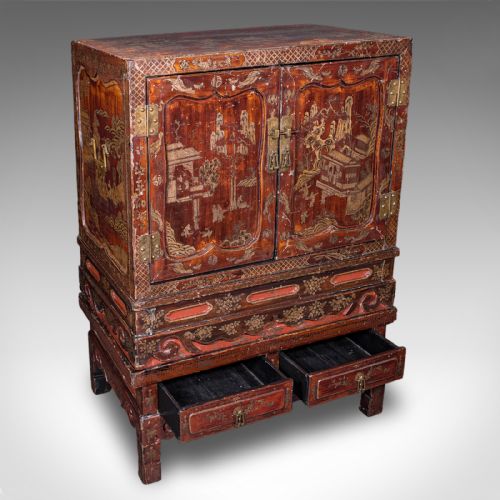
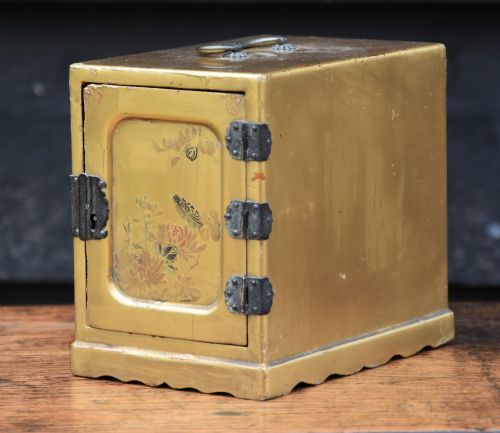
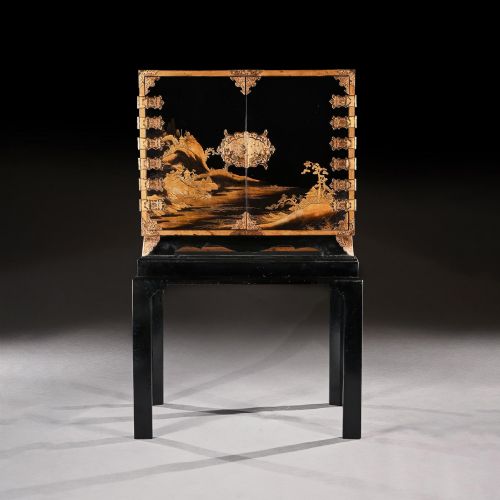
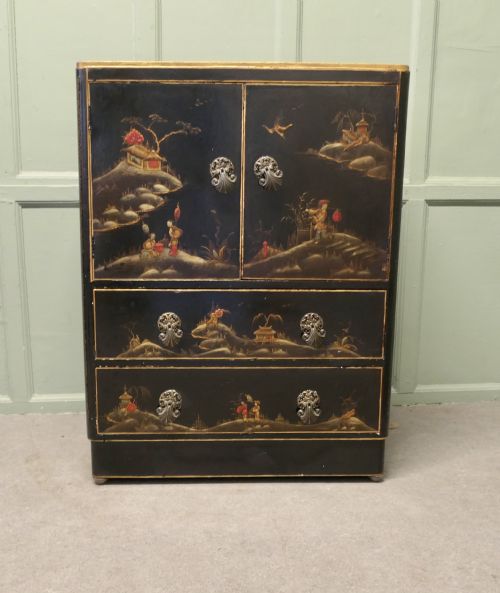
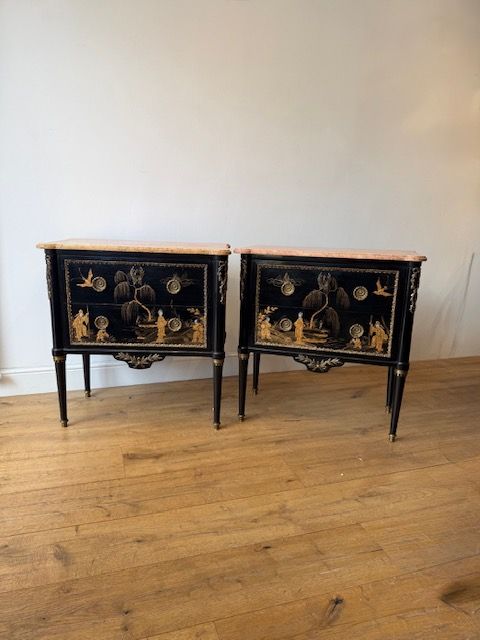
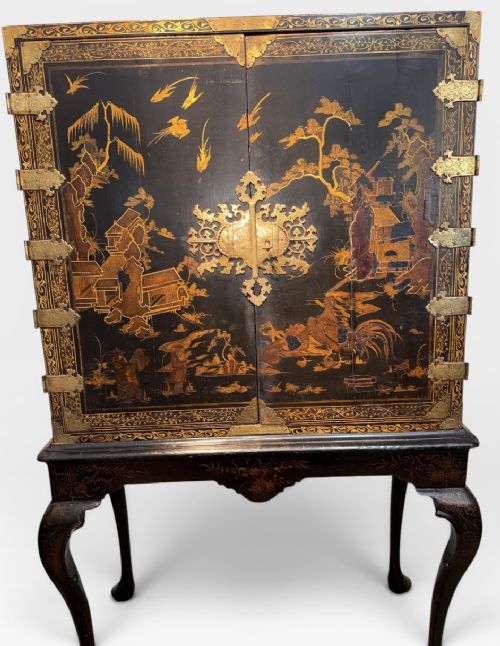
When you search for a gilt lacquered chest, you encounter a diverse group of storage forms spanning cabinets on stand, trunks, coffers, and table cabinets. These pieces originate from distinct traditions including Japanese Edo and Meiji periods, Chinese Export workshops, and European interpretations in Georgian and Victorian styles.
The most common examples on this page are cabinets on stand and trunks finished in black, red, or green lacquer with intricate gilt decoration. They range from small table cabinets and tea caddies to large blanket boxes and cocktail cabinets produced across the eighteenth, nineteenth, and early twentieth centuries.
Materials and construction
Construction relies upon a wooden base substrate, sometimes supplemented by materials such as papier-mâché, metal, iron, and brass fittings. Artisans applied layers of lacquer to the timber foundation, building up a durable and lustrous ground before executing detailed ornamentation.
Decoration was achieved through the application of gold leaf and gilding to render motifs associated with Chinoiserie and traditional Asian designs. Secondary woods and structural supports were integrated to sustain the weight of larger cabinets and trunks on stands.
The inventory spans styles including Chinoiserie, Chinese Export, Japanese Meiji, Anglo-Indian, and Edo Period.
Assessing quality
The calibre of a piece rests upon the depth and finesse of the lacquer work and the precision of the gilt detailing. Pieces featuring hand-painted Chinoiserie scenes with subtle gradations in the gold leaf command greater appreciation than simpler, coarser applications.
Structural integrity also dictates worth, particularly where cabinets on stands or large trunks retain their original supporting bases and hardware. The harmony between the cabinetry and its decorative surface defines the standing of an individual example.
Harrods
The Gilt Lacquered Chest Glossary
- Chinoiserie
- European decorative style reflecting Chinese artistic influences, frequently seen in the motifs of lacquered chests and cabinets. This aesthetic dominated many English and French pieces from the eighteenth through the twentieth centuries.
- Lacquered wood
- Timber finished with multiple coats of resinous sap or varnish to create a hard, smooth surface. It provides the foundational medium for the application of gilt decoration.
- Cabinet on stand
- A freestanding storage cabinet elevated upon a dedicated wooden base or leg structure. This form often allows large decorative chests to be displayed at a convenient height.
- Cofer
- A traditional heavy chest or box utilised for storing valuables and personal belongings. Many period examples feature domed lids and iron or brass mounts.
- Japanned
- European simulation of East Asian lacquerwork, utilising layered varnishes and metallic dust. It became popular during the Georgian period for domestic furniture.
Gilt Lacquered Chest: Frequently Asked Questions
How do I date a lacquered chest?
Dating relies upon examining the underlying wood construction, hardware styles, and the characteristics of the lacquer finish. Eighteenth-century pieces often display different joinery and pigment formulations compared to Victorian or early twentieth-century interpretations.
Context is provided by regional traditions, such as Japanese Edo period work versus later Meiji production or English Georgian japanning. Comparing secondary woods and hinge types helps narrow the period of manufacture.
What were these cabinets used for?
These pieces served varied domestic functions, ranging from the storage of tea and spices to the safekeeping of textiles, documents, and valuables. Larger blanket boxes and trunks managed household linens, while smaller table cabinets held jewellery or writing materials.
Over time, forms evolved to include specialised items such as cocktail cabinets and collectors cabinets designed for specific Victorian and Edwardian pursuits.
How do I care for gilt lacquer?
Maintenance requires keeping pieces away from direct sunlight and maintaining stable humidity to prevent the lacquer from cracking. Dusting should be performed gently with a soft, dry cloth without the use of chemical polishes or modern cleaning agents.
Because the gold leaf and lacquer layers are delicate, minimising physical friction preserves the integrity of the gilded decoration over decades of use.
Are these pieces fragile?
While the core wooden structure is typically robust, the exterior lacquer and gold leaf surface requires careful handling. Sudden temperature fluctuations can cause the wood beneath to expand or contract, placing stress on the lacquer finish.
Placing the chest away from heat sources and high-traffic areas ensures the decorative surface remains secure and stable within a modern interior.