

Black Lacquered Chest
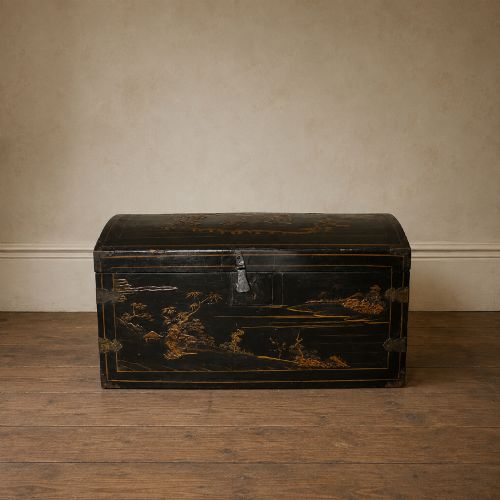
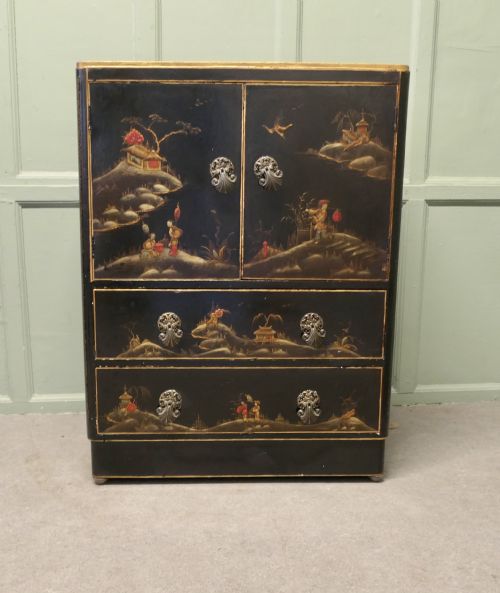
A black lacquered chest brings glossy depth and intricate oriental or European motifs into a room, spanning centuries of cabinet-making craftsmanship.
Black Lacquered Chest
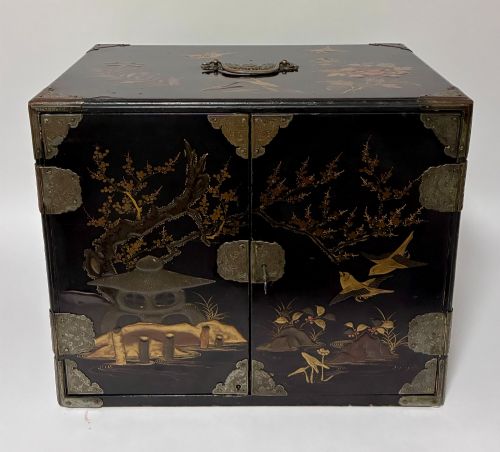
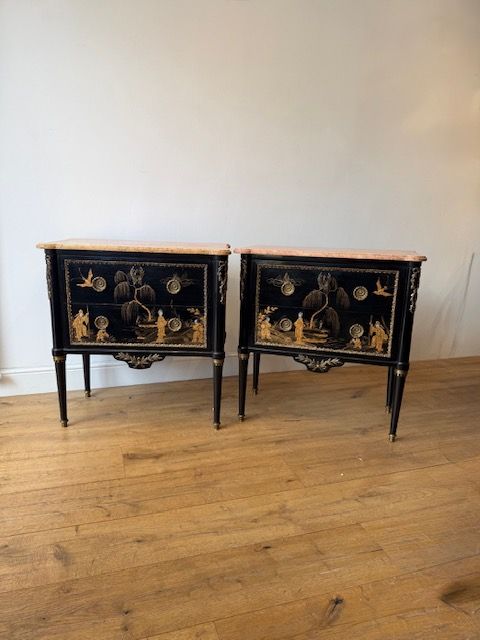
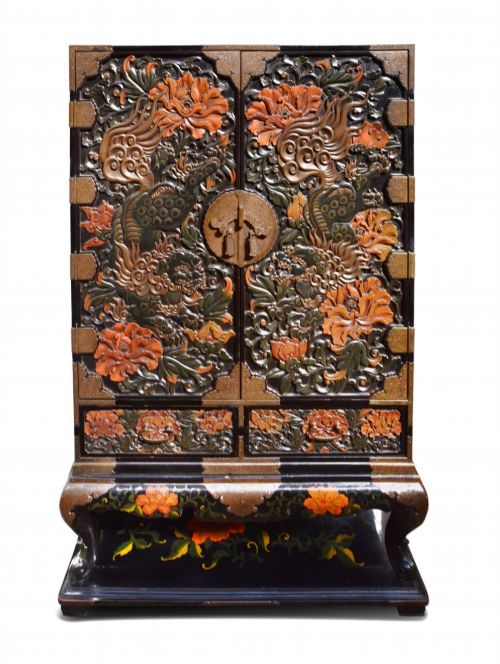
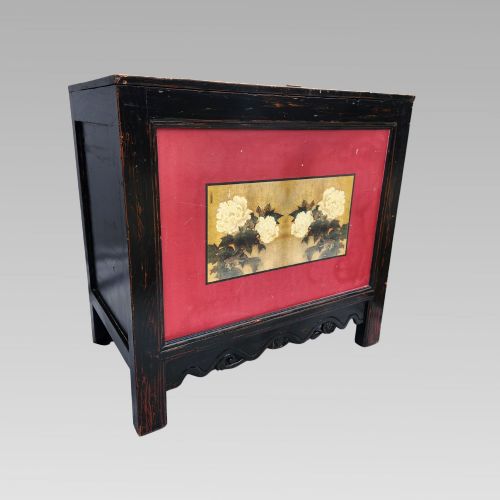
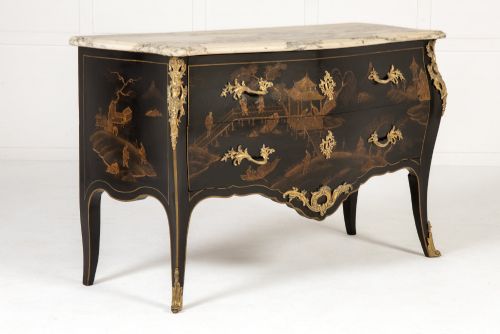
A black lacquered chest encompasses diverse forms ranging from compact tea caddies and table cabinets to large cabinets on stands, trunks, and commodes. When searching for a black lacquered chest, buyers most frequently encounter 19th-century Chinese export pieces and early 20th-century Chinoiserie items.
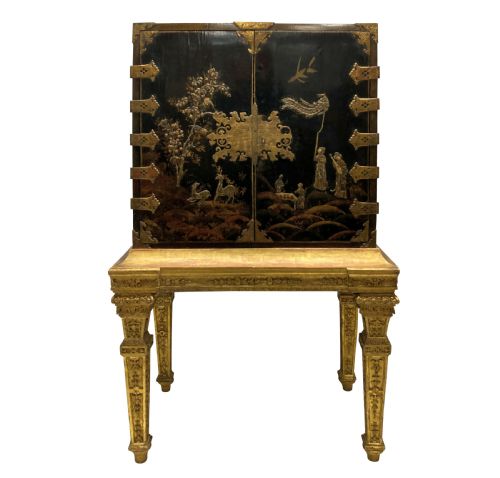
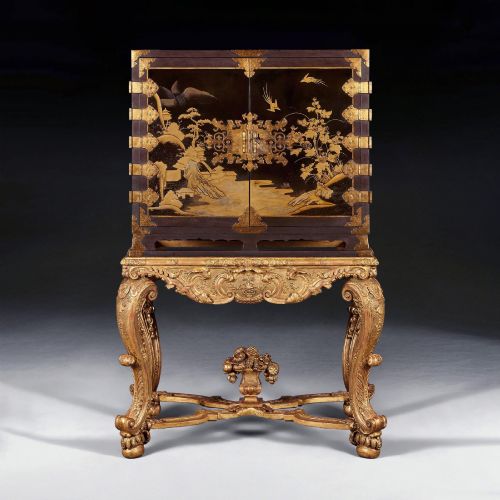
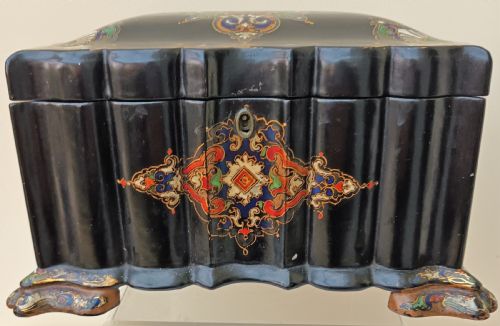
The historical scope extends from the 17th century through the Georgian and Regency periods up to the 1930s, incorporating Japanese lacquer work and European Japanning alongside Chinese production. Formats vary from small tabletop boxes with multiple drawers to monumental pieces raised on giltwood or carved stands.
Origins stretch across Asia and Europe, reflecting global trade routes and local stylistic interpretations. Pieces arrive in styles including Chinoiserie, Chinese Export, Meiji Period, and traditional Qing Dynasty aesthetics.
How they were made
Construction relies on wood, bamboo, or papier-mâché foundations coated in layers of lacquer. Artisans applied successive coats of sap or resin, sanding and polishing the surface to achieve a durable, lustrous finish.
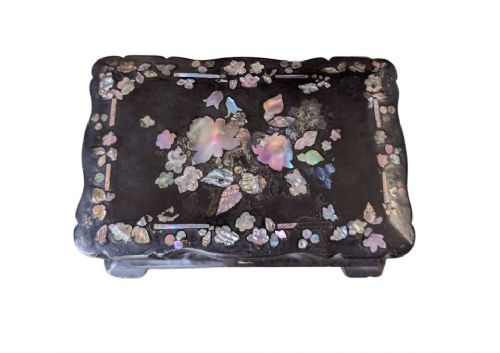
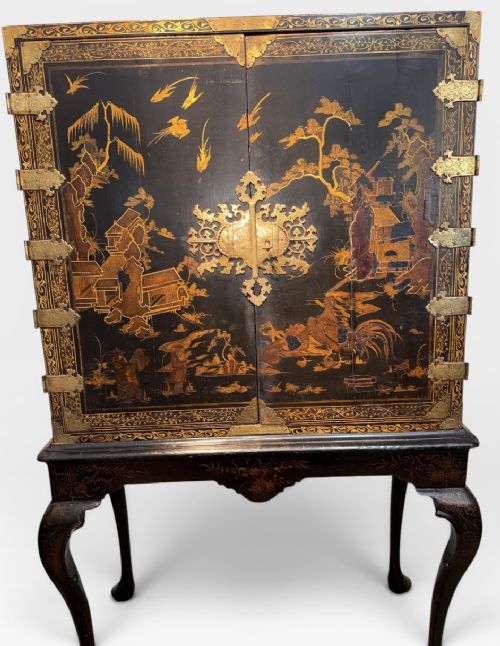
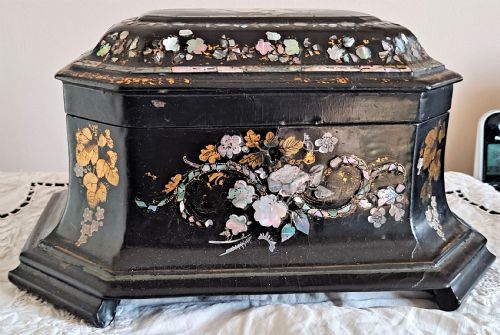
Decoration frequently incorporates gold leaf, gilt, paint, or metal inlay such as mother-of-pearl. Craftsmen painted detailed scenes of figures, birds, flowers, and landscapes, sometimes mounting the finished boxes on brass hardware, carved wooden stands, or French giltwood frames.
Listings feature items spanning the 17th century to the 1930s, utilising lacquer, brass, gold leaf, and mother-of-pearl across Chinoiserie, Regency, and Qing Dynasty styles.
What varies in quality
The depth and preservation of the lacquer surface separate standard items from superior examples. Quality rests on the smoothness of the black ground and the precision of the hand-applied gold leaf or painted decoration.
The integrity of the underlying woodwork and the intricacy of associated stands, handles, or inlays distinguish fine workshop production. Pieces retaining their original stands, mounts, and unblemished decorative details demonstrate superior craftsmanship.
The Black Lacquered Chest Glossary
- Japanning
- European imitation of Asian lacquerwork developed during the seventeenth and eighteenth centuries. Craftsmen built up layers of varnish and paint, often curing them in heat to mimic oriental surfaces.
- Kodansu
- A small Japanese tabletop cabinet fitted with multiple internal drawers. These portable storage pieces often display fine lacquer work and delicate metal fittings.
- Tea Caddy
- A small box designed to store loose tea leaves securely. Many examples feature internal compartments and elaborate exterior lacquer or mother-of-pearl decoration.
- Ormolu
- Gilded bronze mounts applied to furniture and decorative objects. This technique added decorative metallic accents to the corners, feet, and aprons of chests and commodes.
Black Lacquered Chest: Frequently Asked Questions
How do I clean a black lacquered chest?
Dust the surface gently with a soft, dry microfibre cloth to prevent scratching the delicate finish. Avoid using water, chemical sprays, or abrasive polish.
Keep the chest away from direct sunlight and radiators to prevent the lacquer from cracking or drying out over time.
Were these chests made in Europe or Asia?
Pieces originate from both regions, reflecting centuries of global trade and local imitation. Asian workshops produced export items for Western markets, while European cabinet-makers created their own interpretations using Japanning.
Distinguishing between them involves examining the underlying wood species, construction joinery, and the specific chemical composition of the lacquer layers.
What is a cabinet on stand?
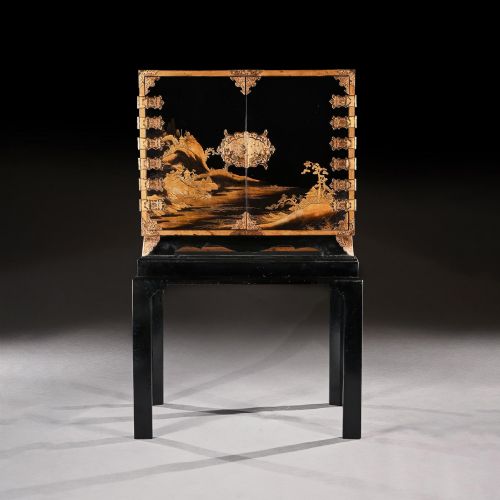
A cabinet on stand consists of an enclosed storage chest resting upon a separate supporting frame or table base. This elevated format was particularly popular during the seventeenth and eighteenth centuries.
The stands themselves often feature elaborate carving, gilding, or contrasting wood finishes that complement the main body of the chest.
How can I tell the age of the lacquer?
Examine the surface for subtle signs of natural age-related crazing, fine micro-cracks, and wear patterns around handles and edges. Older lacquer surfaces develop a softer, deeper lustre that modern synthetic resins struggle to replicate.
Inspect the hinges, locks, and interior construction methods to ensure they align with the stylistic period of the exterior decoration.