





Asian Export Ceramics
Asian export ceramics are trade wares made in East Asia for foreign markets, prized for their historical journey and decorative glaze work.
Asian Export Ceramics
Asian export ceramics encompass wares produced in China and Japan specifically for overseas trade. These objects arrived in European and global markets through maritime commerce, carrying distinct cultural motifs across oceans.
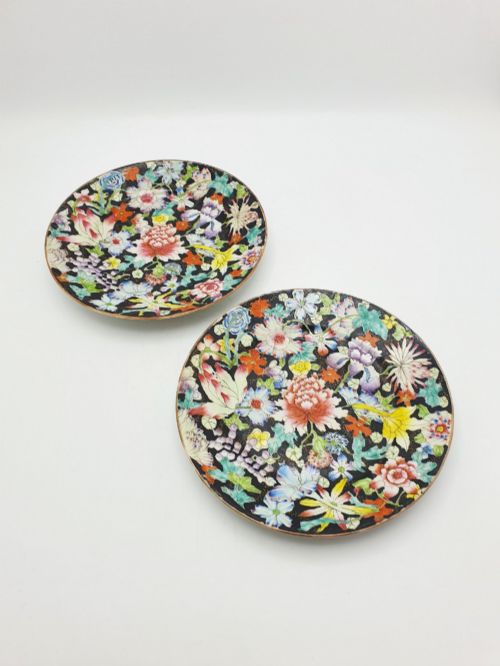
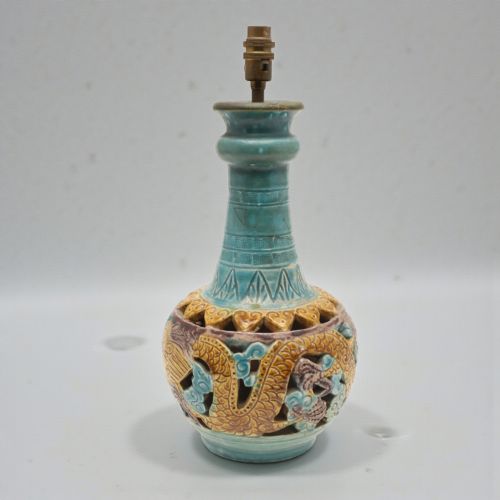
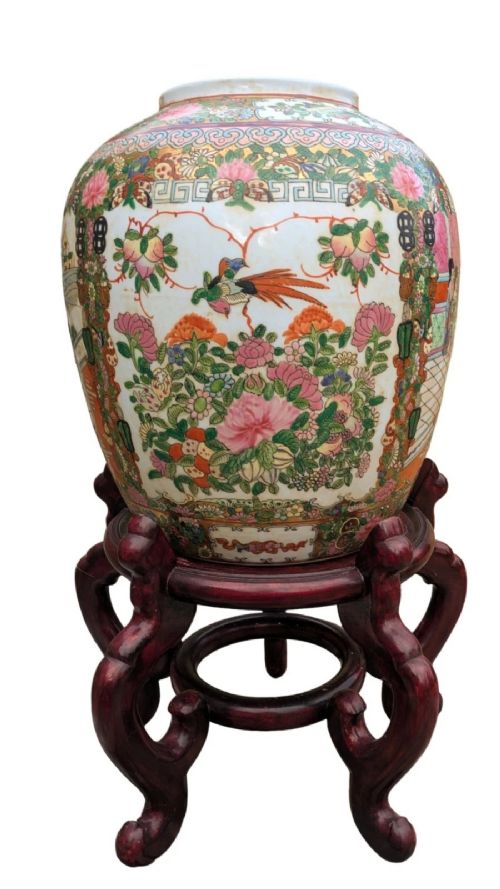
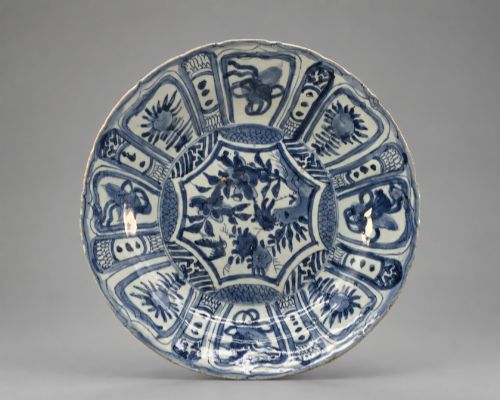
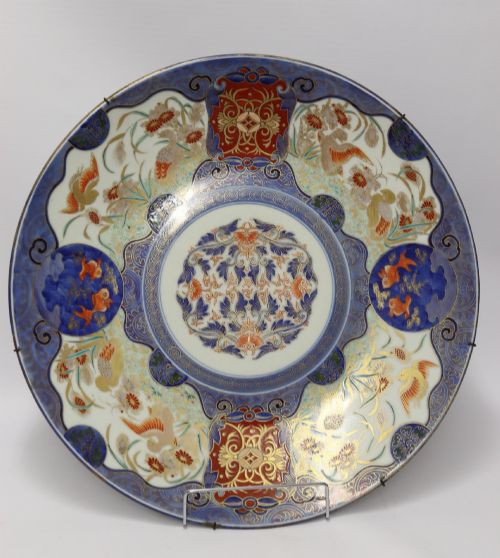
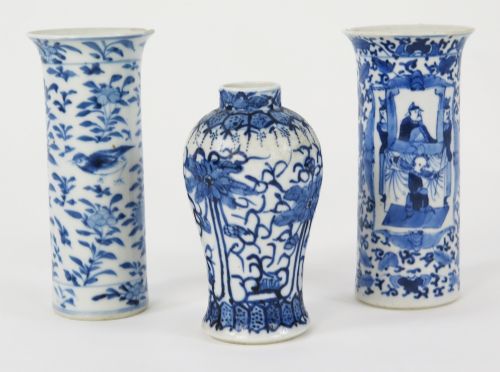
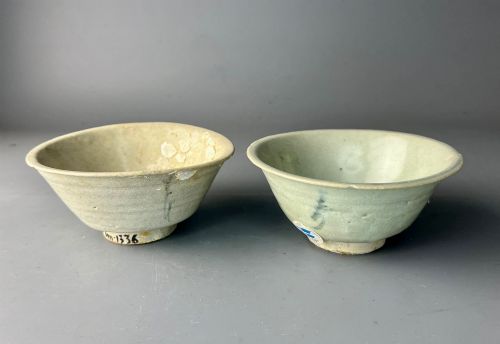
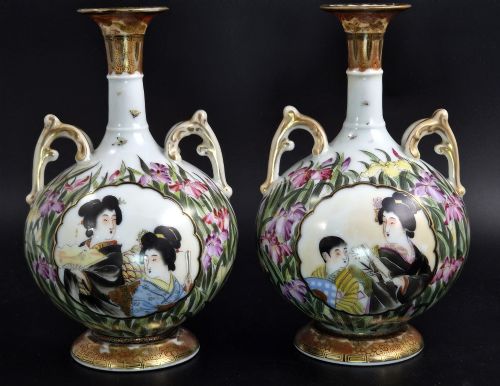
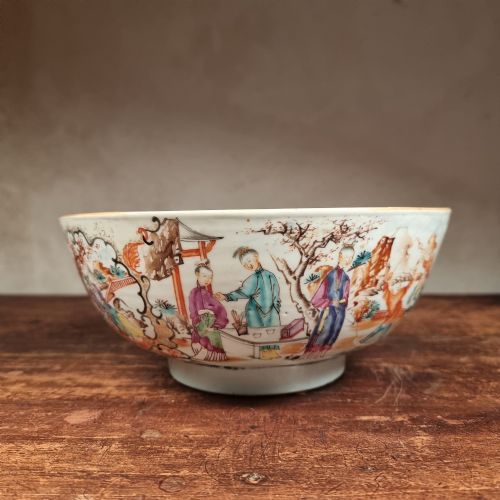
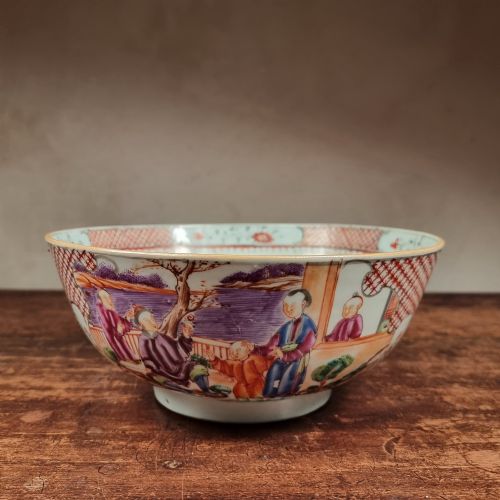
The selection on this page centres on items from the seventeenth, eighteenth, and nineteenth centuries, spanning periods such as the Qing Dynasty and the Meiji Period. Collectors most frequently encounter forms like vases, decorative bowls, and plates.
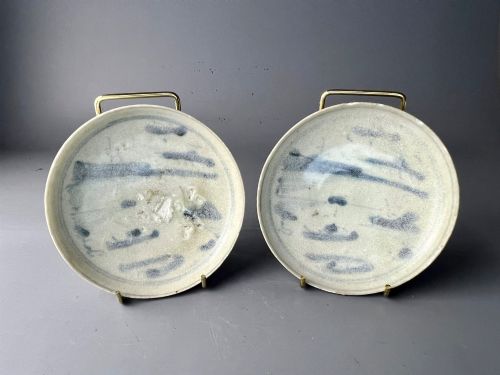
Vessels range from recovered shipwreck cargoes to carefully preserved imperial-style dishes. Each piece records the intersection of Eastern manufacturing traditions and Western decorative tastes.
How they were made
Makers utilised porcelain and earthenware as the primary foundation for these wares, shaping them into elaborate vessels and figures. Cobalt underglaze, enamel, and glaze provided the colourful surfaces that defined regional aesthetics.
Techniques such as hand-painting with gold leaf and gilding added intricate detail to plates and vases. Firing required precise control of kilns to achieve the vitrified finish characteristic of fine export porcelain.
Asian Export Ceramics Retail Price Guide 2026
Typical asking prices for asian export ceramics among the pieces listed under this phrase on Sellingantiques today, from the lower quarter to the upper quarter. They describe what is for sale here now, not the wider market.
Listings feature items from the 17th century through to the Edwardian period, utilising porcelain, earthenware, and cobalt underglaze.
What varies in quality
The standard of painting separates standard utility wares from pieces created for wealthier patrons or export houses. Finer items display disciplined brushwork, balanced composition, and careful placement of motifs like dragons or birds.
Material preparation and glaze consistency also dictate the grade of an object. Smoother surfaces, controlled colour application, and well-preserved gilding indicate superior production standards.
Takasaka Toemon·Hichozan Shinpo
The Asian Export Ceramics Glossary
- Imari
- A style of Japanese porcelain featuring a palette of underglaze blue, iron red, and gold, named after the port from which it was shipped.
- Famille Rose
- A palette of opaque rose-pink enamel introduced in the eighteenth century, allowing for delicate shading of floral and figural scenes.
- Blanc-de-Chine
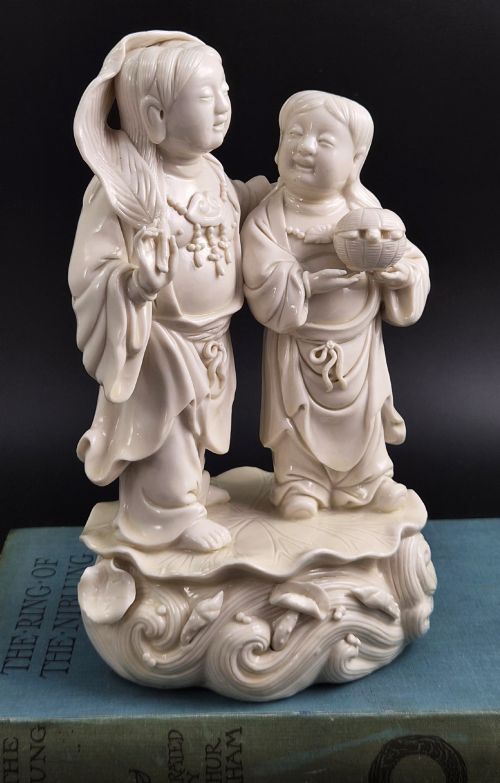
- A type of white porcelain made in Dehua, China, known for its milky glaze and often used for sculptural figures.
- Celadon
- A term for pottery denoting both wares glazed in jade green and the specific glaze itself, produced through iron oxide in a reduction kiln.
- Okimono
- A Japanese ornamental statue or figurine designed for display on a shelf or in a tokonoma alcove.
Asian Export Ceramics: Frequently Asked Questions
What are asian export ceramics?
Asian export ceramics are pottery and porcelain manufactured in countries like China and Japan for trade with Western markets. They combine traditional Eastern forms with decorative elements that appealed to foreign buyers.
These wares include everyday cargo items as well as high-status decorative plates, bowls, and figures produced across several centuries.
How do I date an antique plate?
Dating relies on examining the painting style, glaze characteristics, reign marks, and the baseline material used by the potter. Certain colour palettes, such as famille rose or specific imari patterns, correspond to distinct historical periods.
Comparing the potting technique and form with documented examples helps narrow down the decade or dynasty of manufacture.
Where were these ceramics made?
The pieces originated primarily in major ceramic centres in China and Japan, including kilns producing export wares for maritime transport. Shipping hubs like Arita facilitated the distribution of Japanese porcelain to European traders.
Cargo ships also transported large quantities of Chinese blue and white porcelain, some of which met with shipwreck before reaching their destination.
How should I display them?
Displaying these ceramics safely involves placing them on stable surfaces away from high-traffic areas and direct sunlight. Plates and chargers benefit from secure wall mounts or specialist stands.
Vases and decorative bowls can be set on wooden tables or shelves where their glaze and form remain visible from multiple angles.