



Asian Enamel Urn
An asian enamel urn brings weight and colour into a room, taking the form of bronze and brass vessels shaped in Chinese and Japanese workshops.
Asian Enamel Urn
When you search for an asian enamel urn, you are looking at metal and ceramic vessels made in East Asia during the nineteenth and early twentieth centuries. The pieces on this page span Chinese Qing style productions and Japanese Meiji and Showa periods, including Edwardian and Victorian imports.
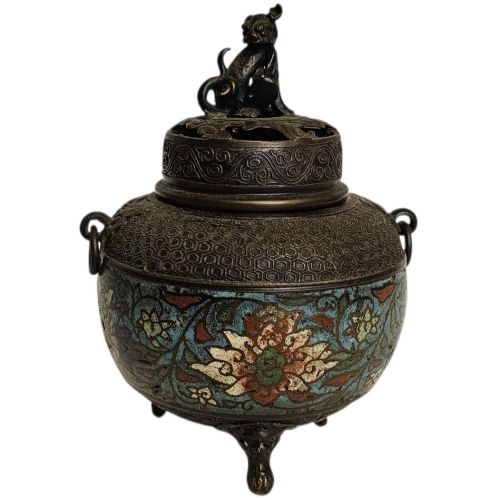
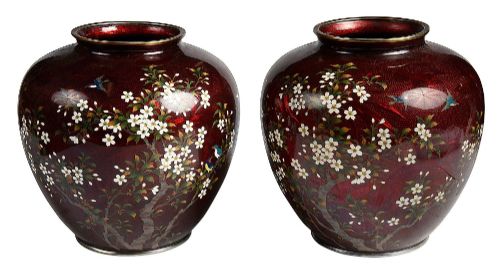
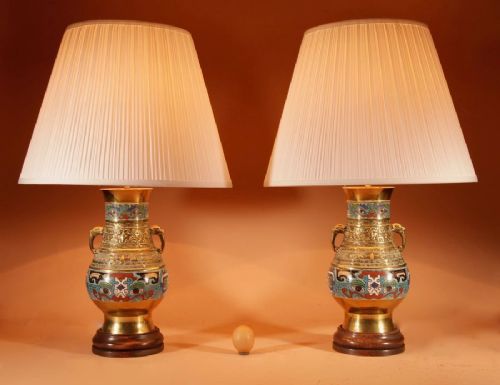
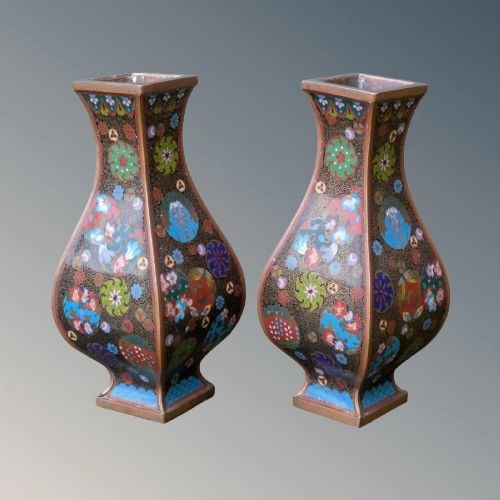
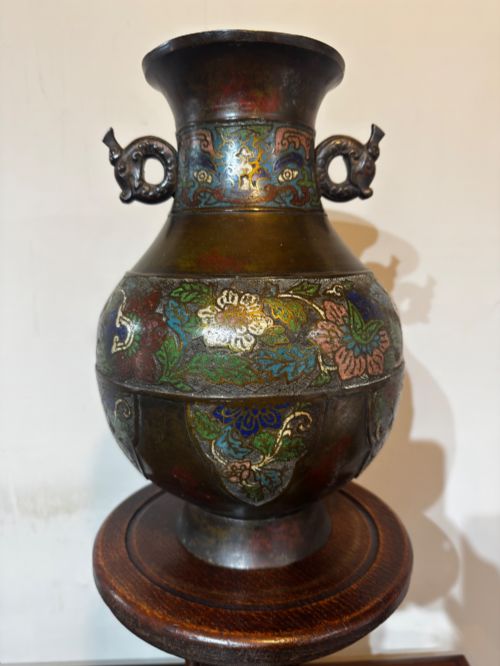
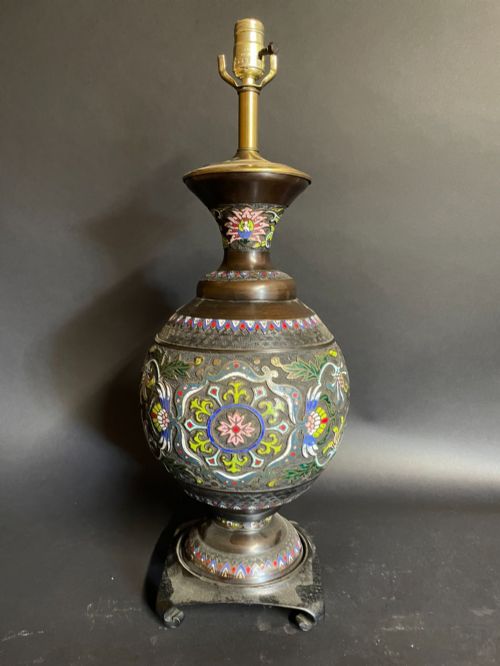
You will most commonly meet cloisonné enamel and champlevé vases, jars, and table lamps fashioned from bronze, brass, and copper. These objects include ginger jars, censers, jardinieres, and large palace vases created for display or conversion to lighting.
The forms range from diminutive miniature vases to monumental palace pieces standing nearly a metre tall. Many survive as pairs or matched sets, retaining their original lidded forms or adapted with electrical fittings.
How they were made
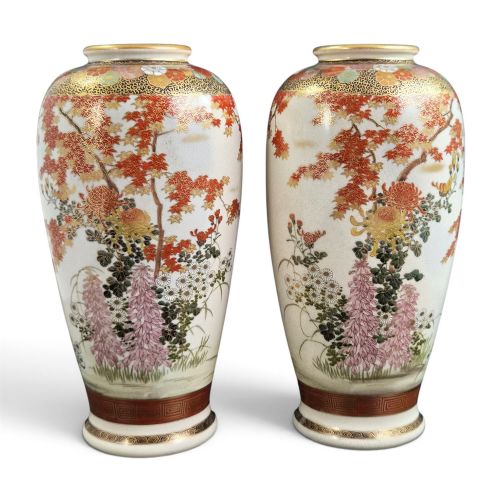
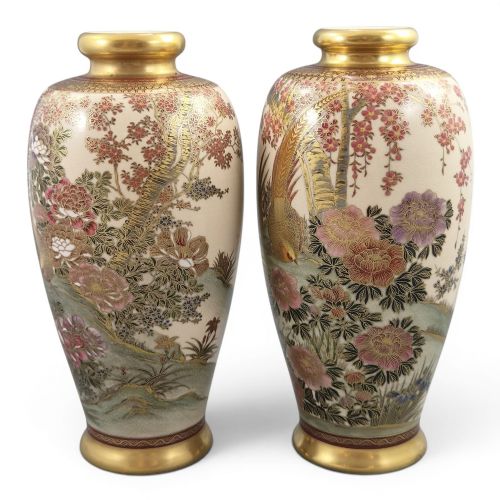
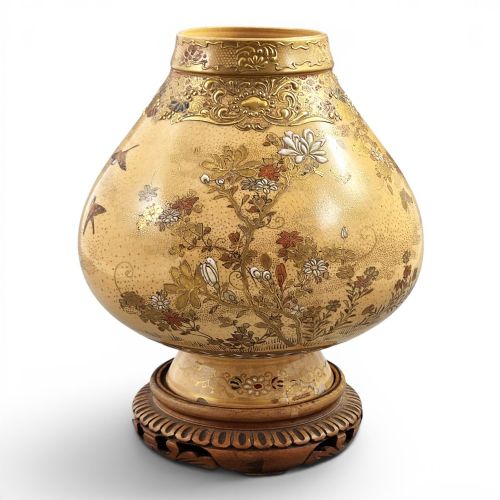
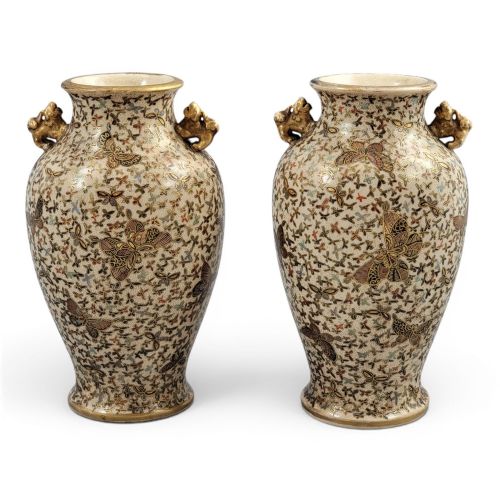
The makers formed the core bodies of these vessels primarily from cast bronze, brass, or copper, occasionally turning to earthenware and stoneware for Satsuma and Kutani wares. Metal vessels received intricate surface decoration through wirework cells soldered to the body or through troughs carved directly into the metal.
Workers filled these partitioned compartments with coloured enamel paste before firing and polishing the surface smooth to a high lustre. Selected pieces incorporate additional embellishments such as gold leaf, gilt metal mounts, and hand-painted motifs depicting birds, floral scenes, and figures.
Listings feature items spanning the Victorian and Edwardian eras alongside the Meiji period, Qing dynasty, and Showa period.
What varies in quality
The distinction between standard commercial output and exceptional studio work rests upon the precision of the metalwork and the control of the enamel. Finer vessels display microscopic wire-work celling, balanced colour transitions, and crisp casting without surface pitting.
Signed pieces from recognised Japanese workshops and specific Chinese dynastic periods command greater attention due to the depth of artistic execution. The crispness of the chased details on the bronze bodies and the harmony of the palette separate mass-produced items from masterworks.
Maruni Kobe·Manpei·Kinzan·Makuzu Kozan II·Seiko-en Chokei·Hakusan
The Asian Enamel Urn Glossary
- Cloisonne Enamel
- A decorative technique where metal wires are soldered to a metal base to create cells filled with enamel paste. These wired partitions hold the coloured glass compound during firing.
- Champleve
- A method of enamelling where troughs or cavities are carved directly into the thick bronze or brass surface to hold the enamel paste. The surrounding metal forms the raised outlines of the design.
- Satsuma
- A type of earthenware pottery originating from Japan, characterised by a crackle-glaze finish and detailed hand-painted polychrome and gilt decoration. These pieces often depict nature scenes and historical figures.
- Meiji Period
- The era of Japanese history spanning from eighteen sixty-eight to nineteen twelve, noted for the opening of trade and the export of highly refined metalwork and ceramics.
- Censer
- A ritual vessel designed for burning incense, typically featuring tripod legs and a pierced cover. These bronze and cloisonne burners frequently incorporate mythical beasts on the lid.
Asian Enamel Urn: Frequently Asked Questions
How do I clean an enamel urn?
Dust the surface gently with a soft, dry brush to prevent accumulation in the wire cells or carved recesses. Avoid liquid cleaners, harsh chemicals, or abrasive cloths that can damage the delicate metal and glass composition.
Keep the vessel away from direct sunlight and damp environments to protect the antique bronze body and the original enamel pigments from gradual degradation.
Were these urns originally lamps?
Most of these vessels started life as decorative vases, ginger jars, or ceremonial containers rather than lighting fixtures. Many were converted into table lamps during the late nineteenth or early twentieth centuries to suit Western domestic interiors.
This conversion often involved drilling the base or mounting the bronze body on a weighted plinth, though the primary vessel retains its original Asian craftsmanship.
How can I tell Chinese from Japanese work?
Chinese pieces from the Qing era frequently utilise bolder bronze casting, heavier cloisonne wirework, and distinct motifs such as dragons, qilin lions, and geometric borders. The palette often relies on deep blues and turquoise fields.
Japanese Meiji period items typically display finer wirework density, naturalistic depictions of birds and wisteria gardens, and signatures or workshop marks stamped or painted on the base.
What is a palace vase?
Palace vases are monumental vessels, often exceeding seventy centimetres in height, designed to stand directly on the floor rather than on furniture. Workshops created these imposing works to showcase technical mastery in heavy bronze casting and extensive cloisonne coverage.
They frequently feature auspicious motifs such as ho-o birds, phoenixes, and koi carp, reflecting their purpose as grand decorative focal points in large rooms.