



Antique Chinese Cloisonne
Antique chinese cloisonne brings together intricate metalwork and vibrant enamels, offering tactile vessels and decorative figures that anchor a traditional interior.
Antique Chinese Cloisonne
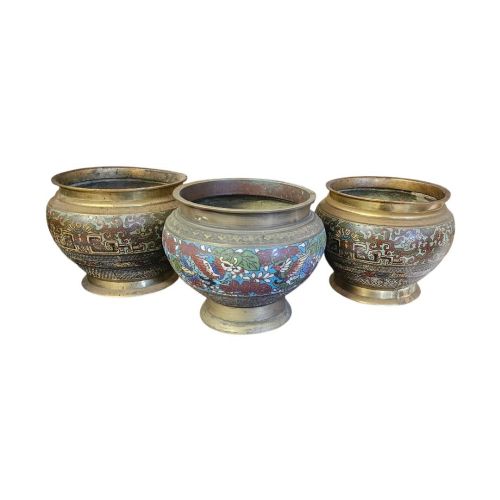
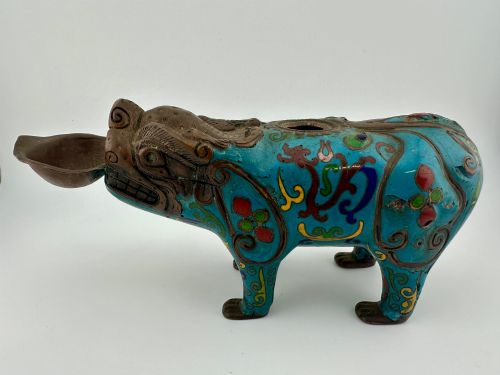
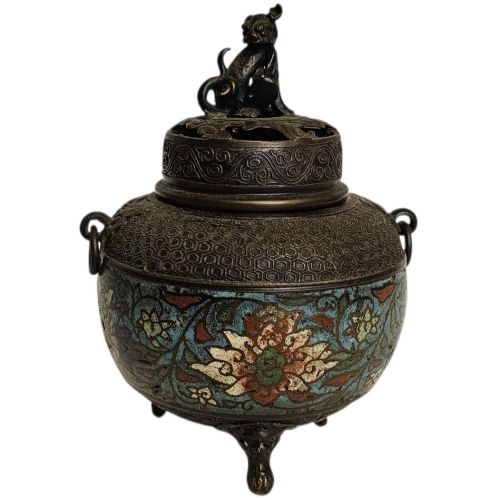
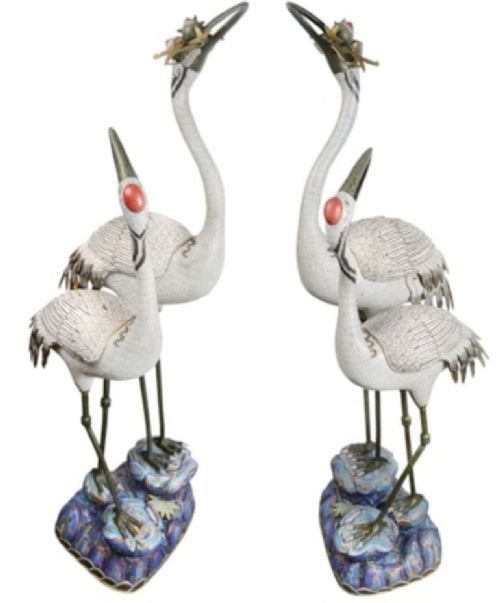
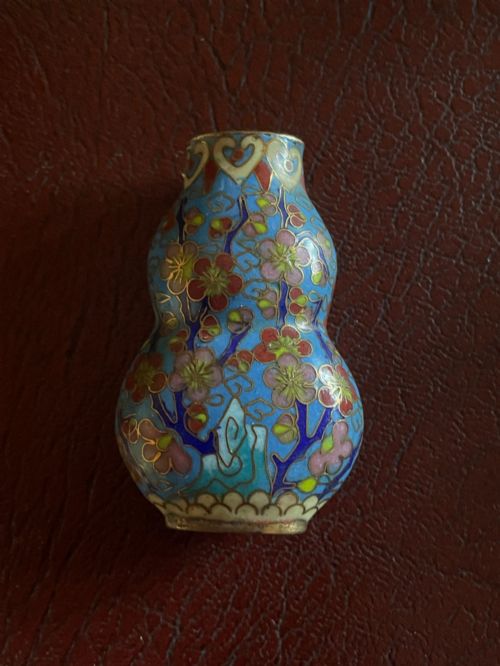
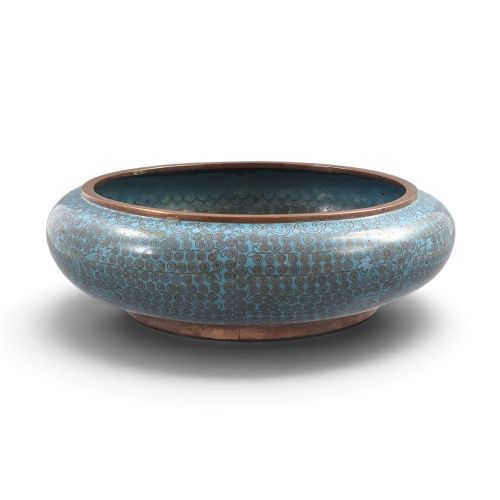
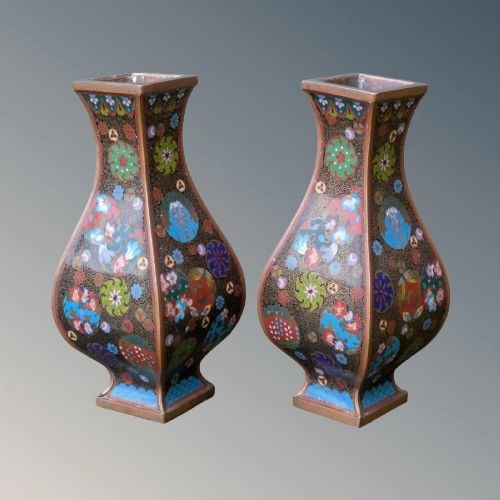
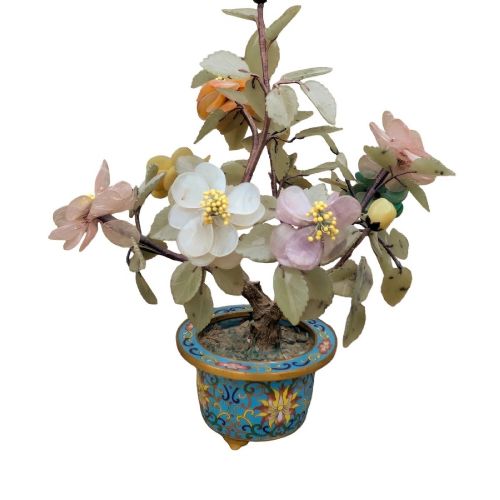
Vases, censers, jardinieres, and animal figures form the core of the items encountered. Many survive from the nineteenth and early twentieth centuries, reflecting Qing dynasty aesthetics and subsequent export tastes.
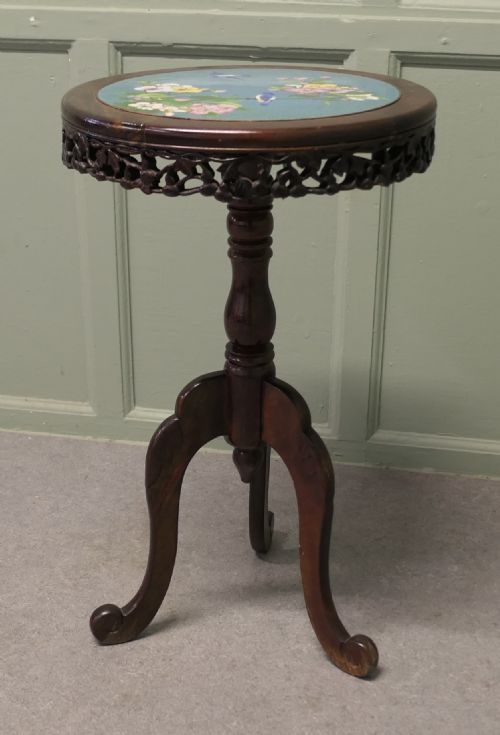
Domestic items such as brush washers, tea pots, and lidded boxes appear alongside larger furnishing pieces like tables and lamps adapted for modern lighting. Each category demonstrates the versatility of enamel work across household contexts.
How they were made
Craftsmen built the foundation of each piece using copper, brass, or bronze, shaping the metal into the desired vessel or figural form. Thin metal wires, or cloisons, were soldered onto the exterior surface to outline intricate decorative motifs including birds, flowers, and dragons.
The resulting compartments were filled with coloured enamel pastes made from powdered glass and mineral pigments before undergoing multiple firings in a kiln. Artisans then ground and polished the surface smooth so the metal wire outlines remained flush with the hardened enamel glaze.
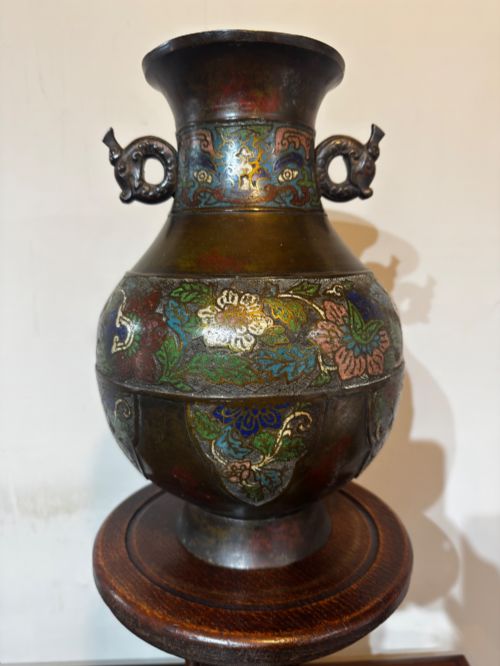
Listings feature brass, copper, and bronze vessels paired with vibrant enamel work across nineteenth-century Qing dynasty pieces.
What varies in quality
Quality rests upon the precision of the wirework and the density of the enamel fill. Finer examples display disciplined, even soldering lines and smooth, polished surfaces without pitting or shrinkage in the coloured pastes.
The weight and finish of the underlying bronze or brass armature also distinguish finer production, alongside the complexity of the palette and the detailing of motifs such as mythical beasts and floral panels.
The Antique Chinese Cloisonne Glossary
- Cloisonne
- An enamelling technique where metal wire is soldered to a metal base to create compartments for coloured glass pastes. These raised boundaries contain the pigments during firing.
- Champleve
- An enamelling method where troughs or cells are carved directly into the thick metal surface to hold the enamel paste rather than using applied surface wires. This technique yields bold, recessed fields of colour.
- Censer
- A ritual vessel designed for burning incense, frequently shaped as tripods or mythical beasts with removable pierced covers. They often feature prominent lion or qilin finials.
- Jardiniere
- A large decorative pot or bowl used to hold plants or floral arrangements, typically supported on flat bases or fitted stands. Bronze and enamel examples provide substantial weight.
- Qilin
- A mythical hooved Chinese creature symbolising good fortune and prosperity, commonly depicted in bronze and cloisonne as figural censers or decorative ornaments.
Antique Chinese Cloisonne: Frequently Asked Questions
How do I clean antique chinese cloisonne?
Dust surfaces gently with a soft, dry brush to prevent accumulation in the wire recesses. Avoid submerging pieces in water or using chemical solvents that might discolour the historic enamel or corrode the underlying bronze.
For stubborn grime, a slightly damp cloth can be used on the metal portions, followed immediately by thorough drying. Professional conservation is recommended for fragile or damaged items.
Were these pieces made for export?
Many surviving pieces date from the late nineteenth and early twentieth centuries, a period when Chinese workshops produced extensive decorative works for Western markets. These items ranged from small cabinet vases to large lamp bases.
Earlier examples from the Qing dynasty often served domestic imperial or scholarly functions before entering international collections. Both categories share traditional manufacturing techniques and iconography.
Can these vases be safely used as lamps?
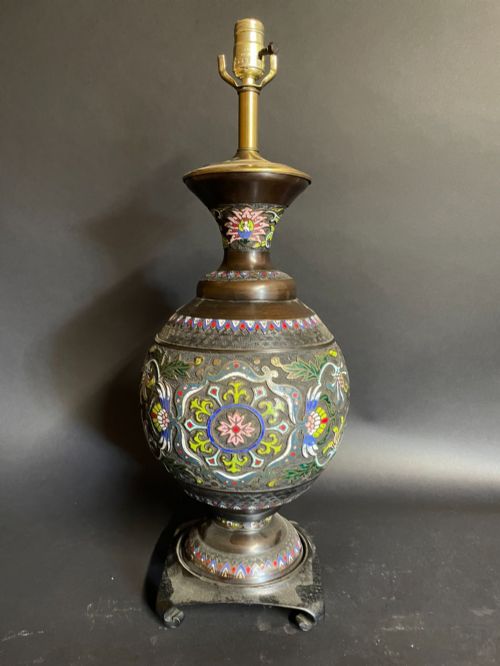
Numerous antique vases and vessels have been fitted as table lamps over the decades to suit domestic lighting needs. This adaptation was common throughout the twentieth century.
When evaluating a converted piece, consider whether the wiring meets modern standards and if the mounting respects the original metal body. Many collectors appreciate the decorative presence these illuminated forms bring to a room.
What motifs appear on these objects?
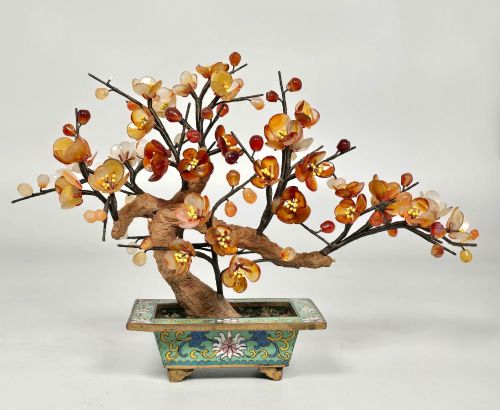
Designs frequently incorporate traditional elements such as scrolling lotus blossoms, blossoming prunus branches, and exotic birds. Mythical creatures like dragons, qilin, and phoenixes also feature prominently across vessels and plaques.
These patterns carry long-standing cultural meanings associated with harmony, longevity, and imperial authority. The precision of the wirework dictates how sharply these pictorial scenes are rendered.