


Oriental Enamelware Vase
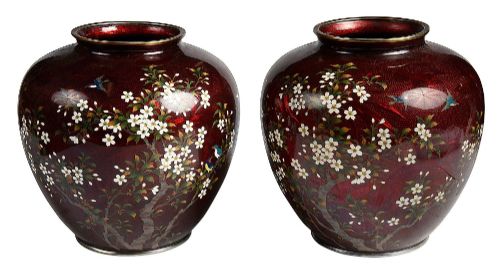
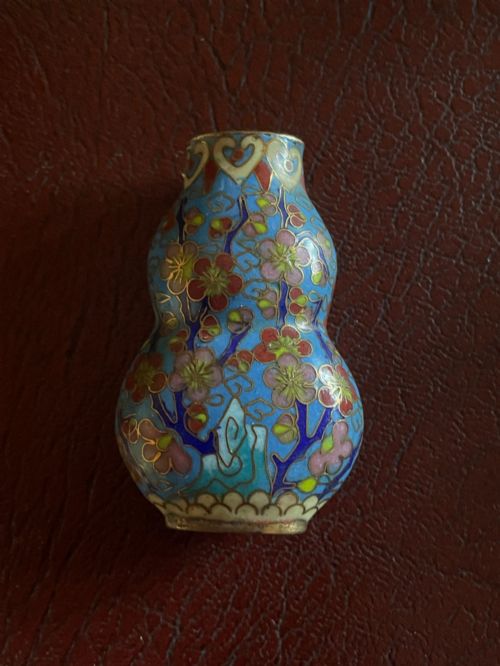
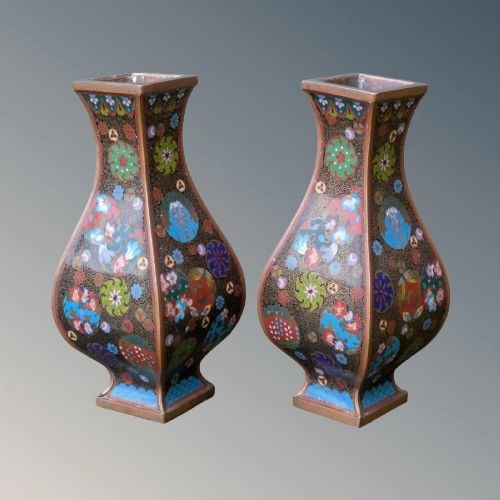
These oriental enamelware vase examples combine rich metalwork and colourful vitreous pastes, offering striking focal points for a mantelpiece.
Oriental Enamelware Vase
An oriental enamelware vase brings together centuries of decorative tradition from China and Japan, spanning the nineteenth and twentieth centuries. When searching for this phrase, collectors encounter various forms including miniature vessels, lidded jars, and table lamps.
The selection here encompasses items from the Meiji period and Qing dynasty, alongside later Edwardian and Showa era pieces. Buyers typically find pairs and individual decorative vases featuring traditional floral and bird motifs.
Vessels range from small cabinet pieces to large covered urns, reflecting diverse Asian decorative art styles. Copper, brass, and bronze serve as the primary foundations for these vitreous creations.
Materials and Construction
Artisans formed these vessels using metallic foundations of copper, brass, and bronze, frequently applying gilt metal or silver foil accents. Metal wire soldered to the body created compartmentalised cells for the coloured pastes.
Cloisonne enamel technique involved filling these distinct wire cells with vitreous pastes before firing and polishing. Champleve methods instead carved troughs directly into the bronze or copper base to receive the enamel.
Specialised variations such as ginbari and basse-taille utilised translucent red enamel over textured silver foil backgrounds. Skilled polishers achieved smooth, gleaming surfaces across both Japanese and Chinese works.
Several vases secretly hide tiny birds and flowers trapped in everlasting metal cages, refusing to let spring fade.
Evaluating the Pieces
Superior examples demonstrate meticulous wirework with uniform cell partitions and flawless enamel infill without pitting or shrinkage cracks. The crispness of the underlying metal chassis distinguishes master craftsmanship from routine production.
The weight and gauge of the bronze, copper, or brass foundation heavily influence the tactile presence of the vessel. Heavier metal bodies paired with balanced proportions command greater appreciation among serious collectors.
Surface finish and polish dictate visual harmony, where high-grade pieces reveal smooth, reflective sheens without distracting surface irregularities. Maker marks or distinct signatures on finer Japanese and Chinese works add historical depth.
Ando Jubei
The Oriental Enamelware Vase Glossary
- Cloisonne enamel
- A technique where thin metal wires are soldered to a metal base to form cells filled with vitreous enamel paste. This method defines the majority of decorative vessels on this page.
- Champleve
- A process where troughs are hollowed out directly into the metal surface to hold coloured enamel, differing from applied wire cells. Artisans used this method on bronze and brass bodies.
- Meiji period
- The era in Japanese history spanning from 1868 to 1912, noted for exceptional metalwork and decorative arts. Pieces from this time often exhibit refined wirework and naturalistic motifs.
- Qing dynasty
- The final imperial dynasty of China, lasting from 1644 until 1912. Works from this period demonstrate traditional decorative styles and rich colour palettes.
- Ginbari
- A Japanese enamelling technique featuring textured silver foil beneath a translucent coloured enamel layer. This method creates a patterned, shimmering depth beneath the surface glaze.
- Basse-taille
- An enamel technique where the background is carved in low relief so that translucent enamel allows light to reflect through the design. It provides rich tonal variations across the metal surface.
Oriental Enamelware Vase: Frequently Asked Questions
How do I display an oriental enamelware vase?
Place these vessels on sturdy mantelpieces, sideboards, or console tables where adequate lighting highlights their metallic wires and vibrant colours. Keep them away from direct sunlight to preserve the rich tones of the vitreous pastes.
Pairing individual vases or displaying matched pairs creates a balanced focal point in traditional or eclectic interiors. Ensure they sit on stable surfaces away from high-traffic household areas.
Were these vases used for fresh flowers?
Most of these decorative vessels served primarily as ornamental display objects rather than functional water holders for fresh botanicals. Their internal construction and metal seams were designed for aesthetic appreciation within scholarly and elite interiors.
Using them with dried stems or leaving them empty preserves the internal metalwork and delicate enamel surfaces. Collectors value keeping the interior free from moisture exposure.
How do I tell Chinese and Japanese pieces apart?
Japanese examples, particularly from the Meiji period, frequently employ extremely fine silver wire and naturalistic bird and floral compositions. Chinese pieces often display heavier bronze or brass foundations with bolder colour schemes and stylised motifs.
Examining the base and the weight of the metal helps determine the likely origin and period of manufacture. Workshops in both regions developed distinct palettes and wire-bending techniques over centuries.
How do I clean an antique enamel vase?
Dust the surface gently with a soft, dry microfibre cloth to remove everyday particles without scratching the polished enamel. Avoid chemical cleaners, abrasive cloths, or immersion in water, which can damage exposed metal wires.
For stubborn dust trapped within wire cells, use a soft artist brush to clear the crevices carefully. Professional conservation advice is recommended for deeper cleaning needs.