

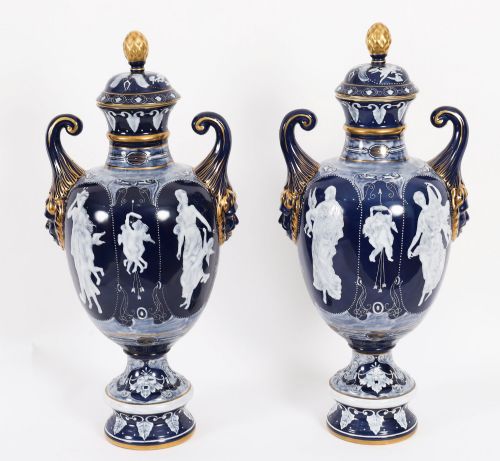


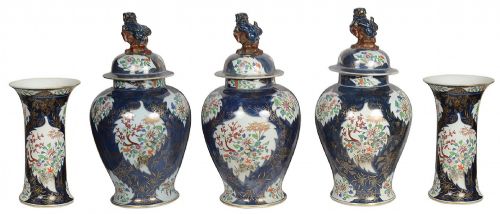
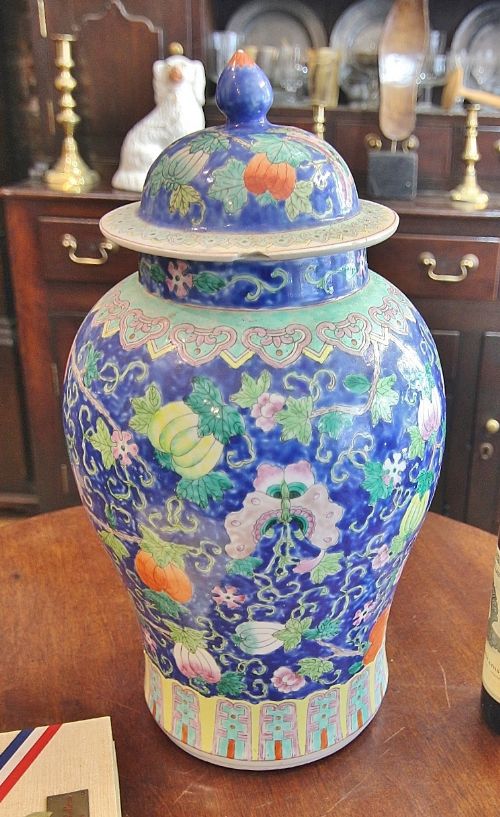


Enamel Lidded Vase
These enamel lidded vase pieces bring vibrant colour and intricate metalwork to a room, offering both decorative presence and classic covered form.
Enamel Lidded Vase
An enamel lidded vase combines a vessel body with a matching cover, utilising fired glass surfaces across various forms. When you search for enamel lidded vase, you encounter pieces that span traditional Asian and European decorative traditions.
The selections on this page encompass 19th Century and early 20th Century examples, ranging from Edwardian pieces to Qing Dynasty and Japanese Meiji works. You will find baluster shapes, ginger jars, and urns alongside pairs of decorative lidded vessels.
Asian export wares and French Napoleon III designs form the core of what is available. These objects demonstrate diverse cultural interpretations of enamelling, from detailed painted scenes to intricate wired compartments.
How they were made
Maker techniques rely heavily on fusing powdered glass to metal or ceramic bases through intense heat. Enamel, porcelain, copper, and brass form the structural foundations of these vessels.
Many items incorporate cloisonné or champlevé methods, where thin wires or carved troughs hold the vitreous paste before firing. Gilding, gold leaf, and gilt bronze mounts frequently accent the main enamel surfaces.
Enamel Lidded Vase Retail Price Guide 2026
Typical asking prices for enamel lidded vase among the pieces listed under this phrase on Sellingantiques today, from the lower quarter to the upper quarter. They describe what is for sale here now, not the wider market.
The listings feature materials including enamel, porcelain, copper, brass, gold leaf, and gilt bronze.
What varies in quality
The refinement of the surface decoration and the precision of the metalwork distinguish finer examples from simpler production. Crisp lines in wired designs and smoothness in the fired glaze indicate skilled execution.
The integration of mounts, such as gilt bronze on French pieces, and the complexity of the hand-painted or cell-filled patterns determine the overall standing of an individual vase.
The Enamel Lidded Vase Glossary
- Cloisonne
- A decorative technique where metal wires are soldered to a base to form cells that hold enamel paste. This method creates distinct bordered compartments of colour.
- Champleve
- A process where troughs or cavities are carved directly into a metal surface to receive enamel before firing. The surrounding metal forms visible lines between the filled areas.
- Baluster
- A vase shape characterised by a rounded body that tapers toward a narrow neck and a wider base. This profile appears frequently in large decorative urns.
- Gilt Bronze
- Bronze metal treated with a thin layer of gold or gold-coloured alloy. It provides decorative mounts and structural support on various 19th Century pieces.
- Famille Rose
- A palette of opaque enamels dominated by pink or rose hues, used extensively in Chinese ceramics. The style depicts figures, flora, and narrative scenes.
Enamel Lidded Vase: Frequently Asked Questions
What is an enamel lidded vase?
An enamel lidded vase is a covered vessel featuring fused glass surfaces applied to metal or ceramic. These objects function as standalone decorative focal points.
Craftsmen across different centuries produced them in varied forms, including ginger jars and baluster urns.
How were cloisonne lidded vases made?
Makers soldered thin metal wires onto copper or brass bases to outline intricate patterns. They filled the resulting compartments with coloured enamel paste before firing the piece in a kiln.
Polishing the surface revealed the metal lines dividing each vibrant colour field.
How do I date an antique lidded vase?
Dating relies on observing material characteristics, stylistic markers, and manufacturing techniques. Pieces from the 19th Century often exhibit specific regional palettes and mount styles.
Comparing the base metal and enamel texture against known period examples helps establish an approximate timeframe.
Where were these lidded vases produced?
Production centres include China during the Qing Dynasty, Meiji period Japan, and 19th Century France. Each region developed distinct aesthetic approaches to enamelling.
Chinese export wares and French Napoleon III pieces represent the primary geographical origins found here.
How should I display a lidded vase?
These vessels suit prominent placement on mantelpieces, sideboards, or dedicated display cabinets. Their substantial height and colourful surfaces draw the eye naturally.
Keeping them away from direct sunlight preserves the vibrancy of the enamel and gilt details.