



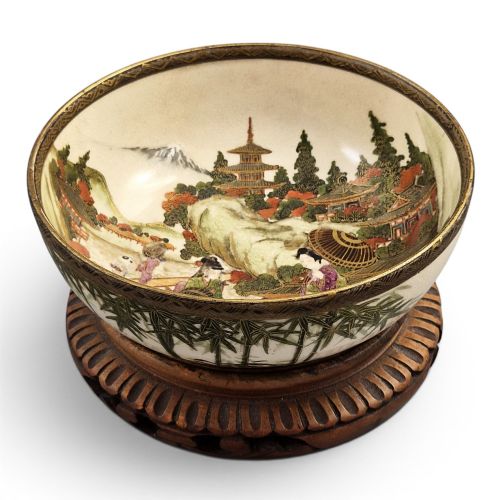
Asian Decorative Dish
An asian decorative dish brings hand-painted pottery and intricate metalwork from the East into Western interiors.
Asian Decorative Dish
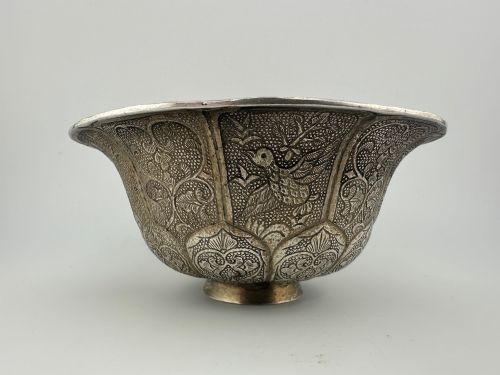
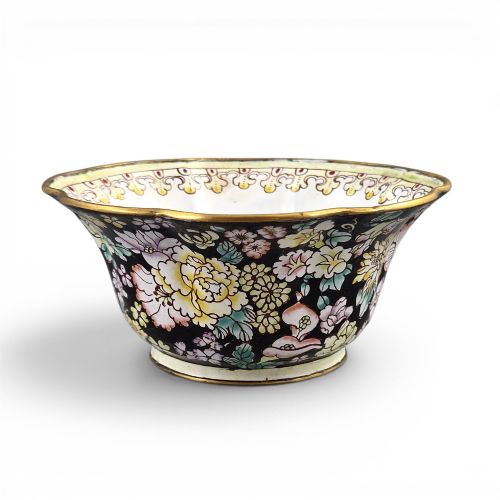
When searching for an asian decorative dish, collectors encounter plates, bowls, chargers, and plaques originating from China and Japan. These pieces span the nineteenth and early twentieth centuries, encompassing periods such as the Meiji, Edo, and Qing dynasties.
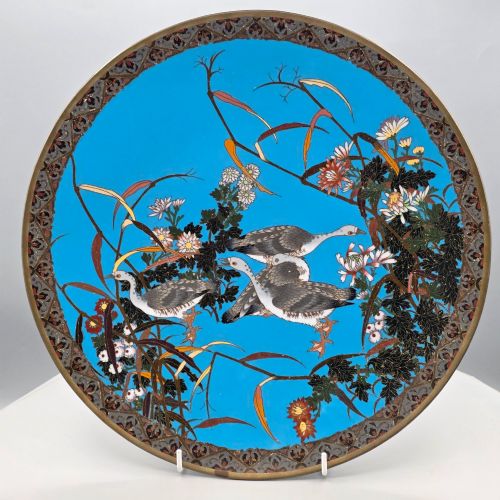
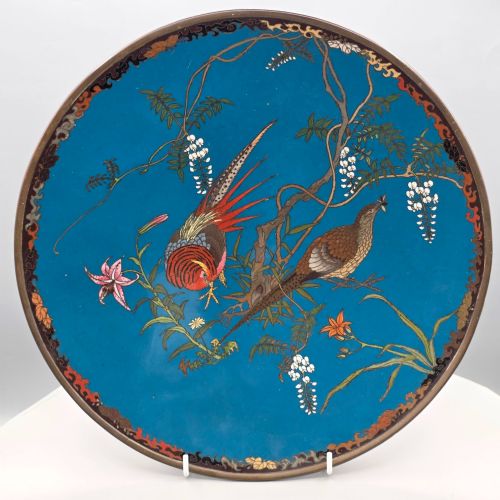
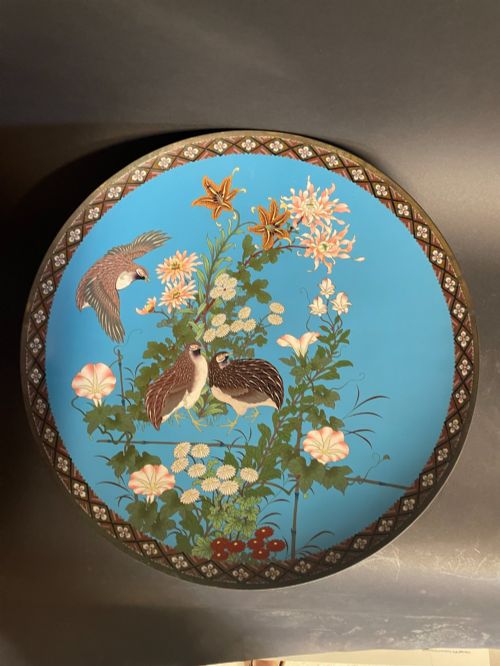
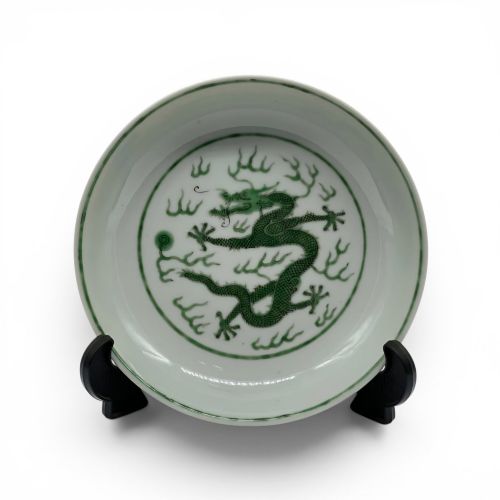
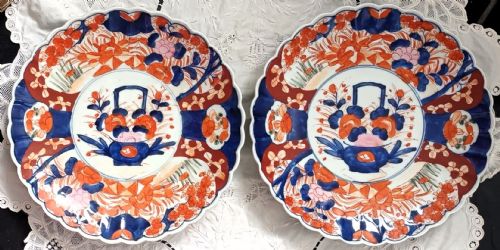
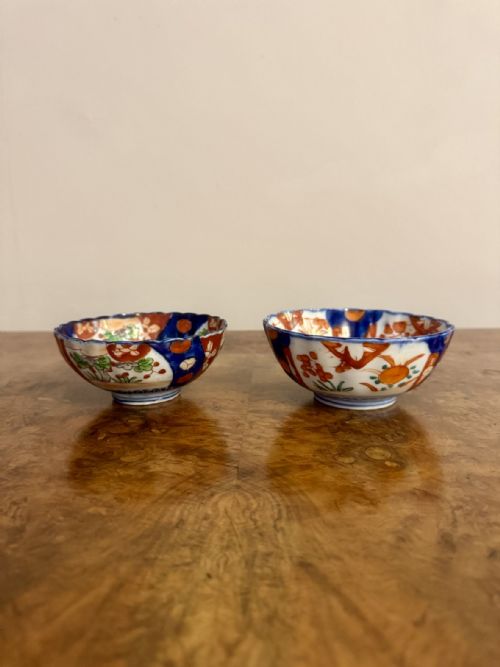
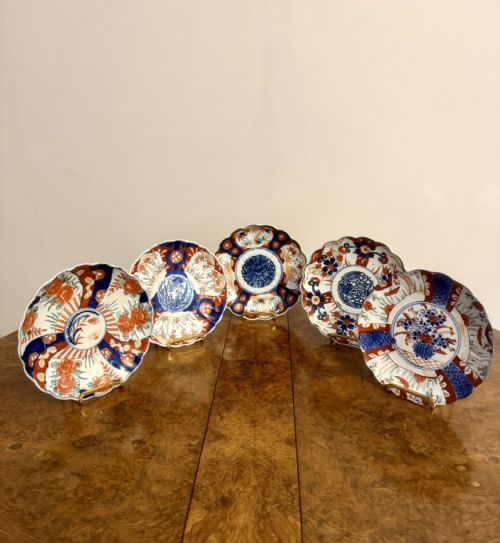
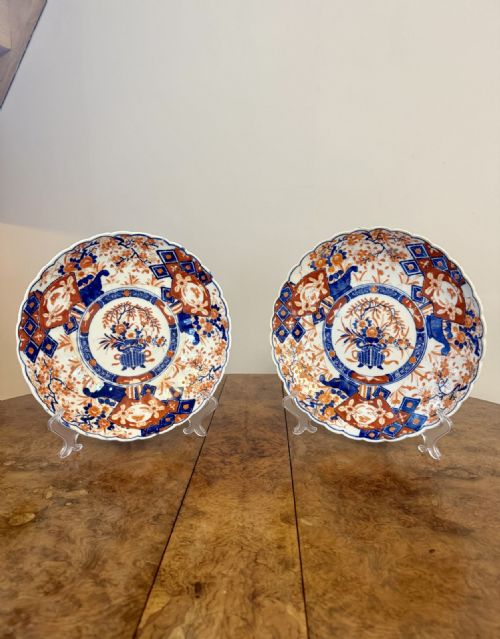
The most common forms on this page are large charger plates and smaller dishes decorated with traditional motifs such as birds, dragons, and floral patterns. Many incorporate regional styles including Japanese Imari, Satsuma, Kutani, and Chinese export wares.
Materials and construction methods
Potters shaped these items from porcelain and earthenware, applying painted glazes in blue, white, and polychrome palettes. Chinese and Japanese workshops utilised high-firing techniques to produce durable ceramic bodies suitable for decorative display.
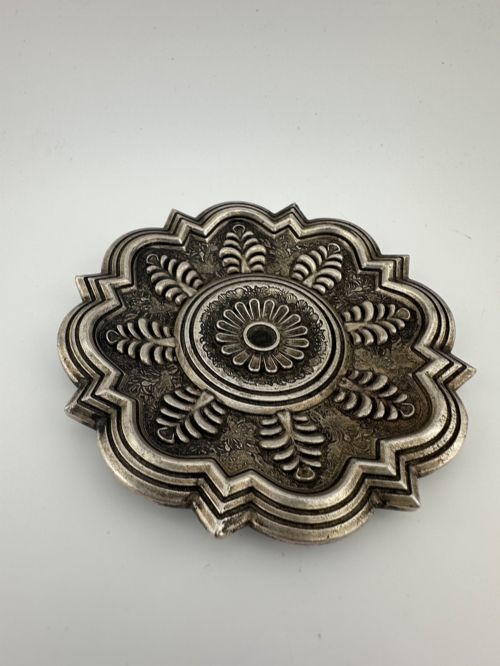
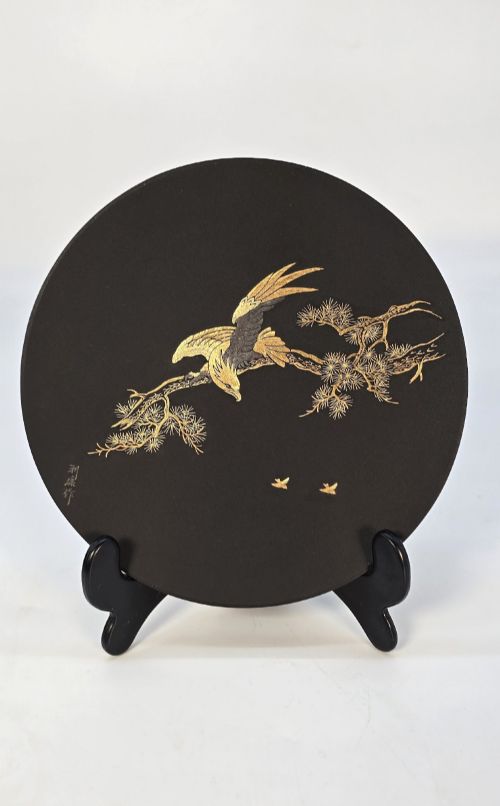
Metal vessels combine copper, brass, and white metal foundations with cloisonne enamel, gold leaf, and silver inlay. Artisans soldered thin metal wires to form cells for coloured enamels or hammered patinated iron surfaces to receive precious metal ornamentation.
Several metal dishes depict industrious shrimp and wise owls supervising quiet mountain landscapes.
Distinctions in craftsmanship
Superior examples display precise brushwork, balanced composition, and intricate detailing in the painted or enamelled designs. Lesser pieces feature hurried execution, simpler motifs, and less refined finishing on the reverse or base.
In metalwork, the fineness of the wirework in cloisonne and the crispness of inlaid gold and silver separate standard production from masterwork output. The complexity of the imagery, such as multi-figure mythological scenes rather than repetitive floral patterns, denotes higher ambition.
Koshida·Kozan
The Asian Decorative Dish Glossary
- Imari
- A style of Japanese export porcelain characterised by underglaze blue and contrasting overglaze red, gold, and green pigments. These patterns often cover the entire surface with intricate floral and geometric panels.
- Cloisonne
- A metalworking technique where thin flat wires are soldered onto a copper or brass body to create compartmentalised cells. These compartments are filled with enamel paste and fired repeatedly.
- Charger
- A large decorative plate utilised historically for display on sideboards or dining tables rather than for serving food. They measure considerably larger than standard dinner plates.
- Satsuma
- A type of Japanese earthenware featuring a pale, crackled ivory glaze decorated with polychrome enamels and raised gold. Production flourished during the late nineteenth century for export markets.
- Export
- Goods manufactured specifically for international trade and Western markets, combining traditional Eastern forms with motifs tailored to foreign tastes.
Asian Decorative Dish: Frequently Asked Questions
How are these decorative dishes best displayed?
Chargers and large plates suit wall mounting using specialised brass hangers or placement on sturdy plate stands. Smaller bowls and dishes sit well on wooden display bases within cabinets.
Positioning items away from direct sunlight protects coloured enamels and painted porcelain glazes from fading over extended periods.
Can these plates and bowls be used for food?
Historic decorative pieces serve primarily as ornamental objects rather than functional tableware. Older glazes and enamels may contain components not rated for modern culinary use.
Hand-washing with mild soap and warm water preserves the delicate metal inlays and painted surfaces if cleaning becomes necessary.
How do I identify a Meiji period piece?
Meiji period items date from between eighteen sixty-eight and nineteen twelve, aligning with the reign of Emperor Meiji in Japan. This era produced highly detailed cloisonne enamels and refined Satsuma earthenware.
Signatures on the base or specific manufacturing techniques often help pinpoint the exact decade of production within this span.
What is the difference between porcelain and earthenware?
Porcelain utilises refined white clay fired at extremely high temperatures to produce a vitrified, non-porous body. Earthenware is fired at lower temperatures, resulting in a more porous material that typically requires an opaque glaze.
Many Satsuma wares use an earthenware body covered in a characteristic crackle glaze.