


Asian Decorative Antiques
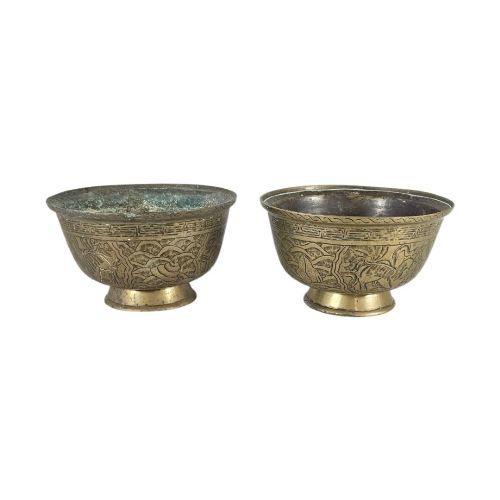
Asian decorative antiques bring centuries of craftsmanship into a room, offering vessels, screens and boxes crafted in bronze, porcelain and lacquer.
Asian Decorative Antiques
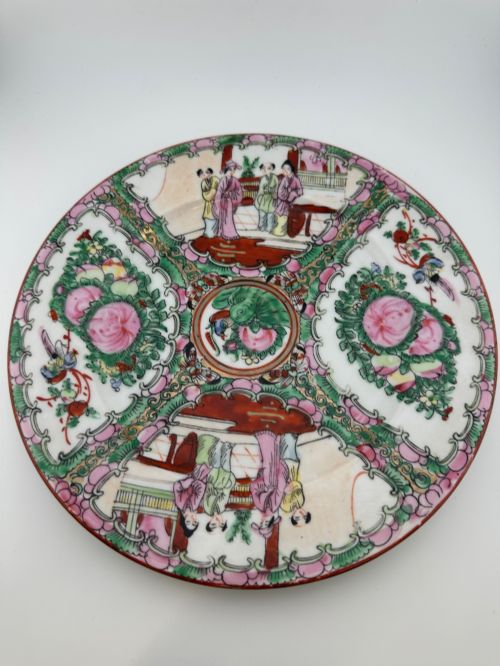
These items encompass a broad variety of objects designed for display and utility, spanning centuries of Eastern craftsmanship. When browsing Asian decorative antiques, buyers encounter everything from bronze vases and porcelain bowls to lacquered boxes and folding screens.
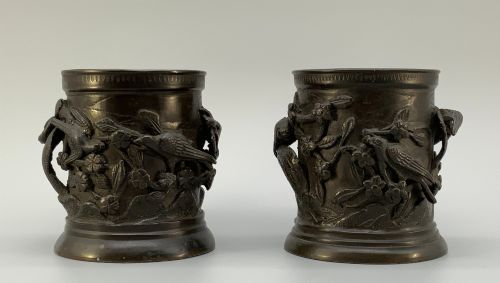
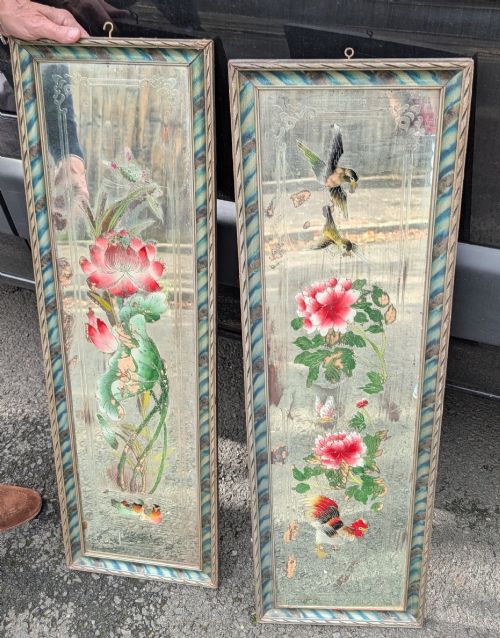
Many examples date from the nineteenth and early twentieth centuries, reflecting traditional motifs such as birds, blossoms, and Daoist immortals. Buyers select these items to introduce rich textures, patinated metals, and intricate hand-painted finishes into interior spaces.
Materials and techniques
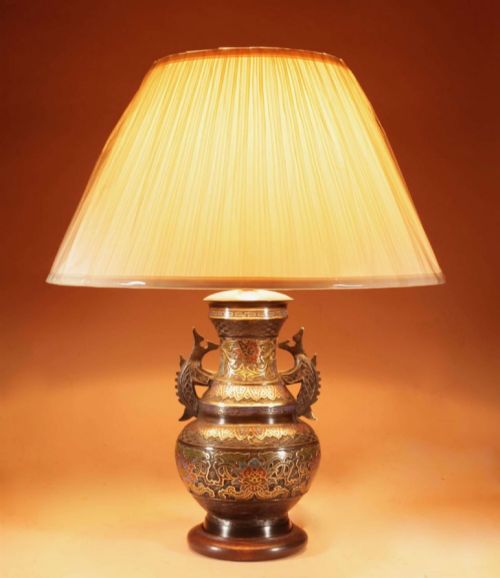
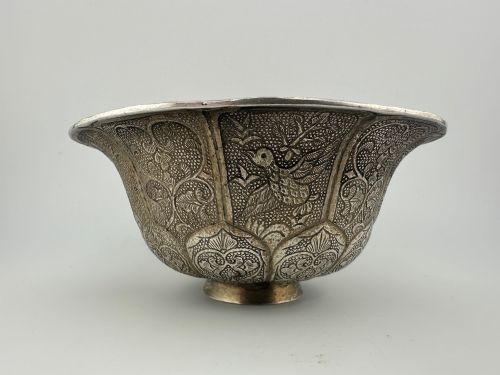
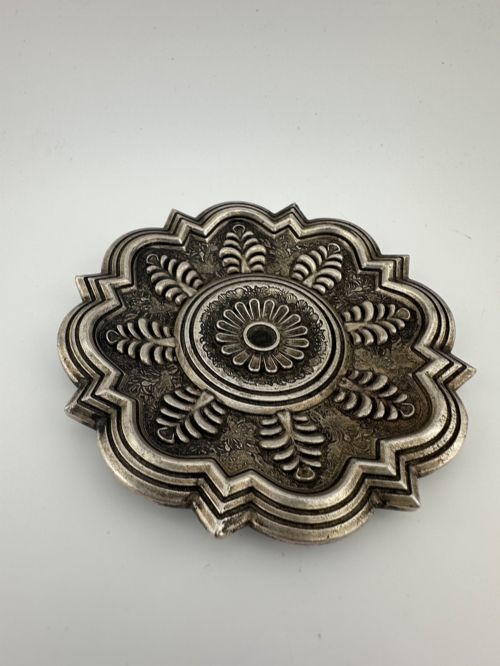
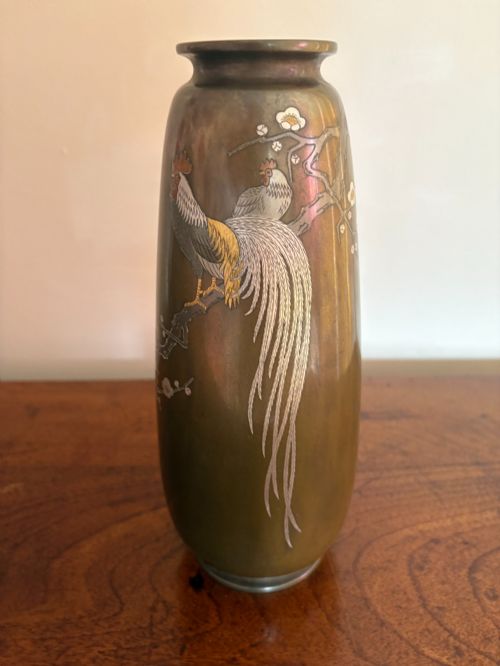
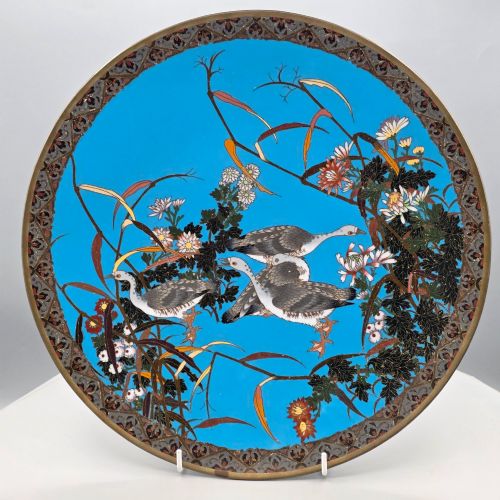
Makers utilised a range of traditional mediums, pairing cast and patinated bronzes with copper alloys and white metal. Cloisonné enamel pieces display delicate wirework cells filled with coloured glass pastes and fired to a smooth finish.
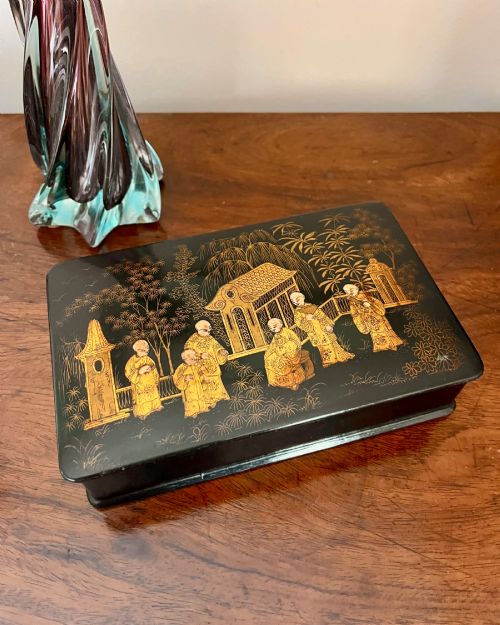
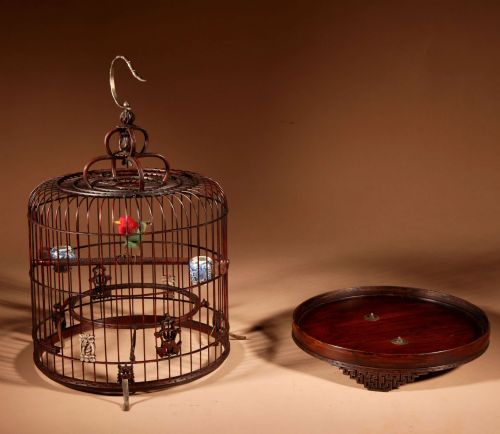
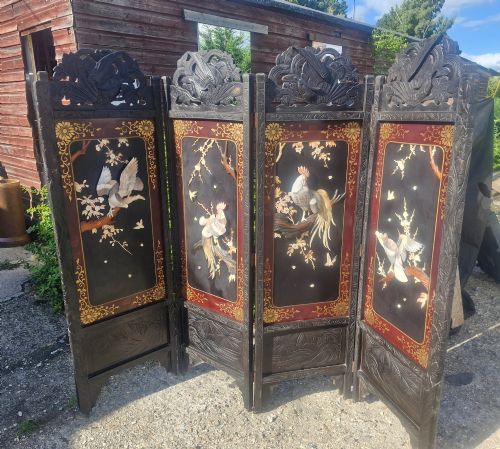
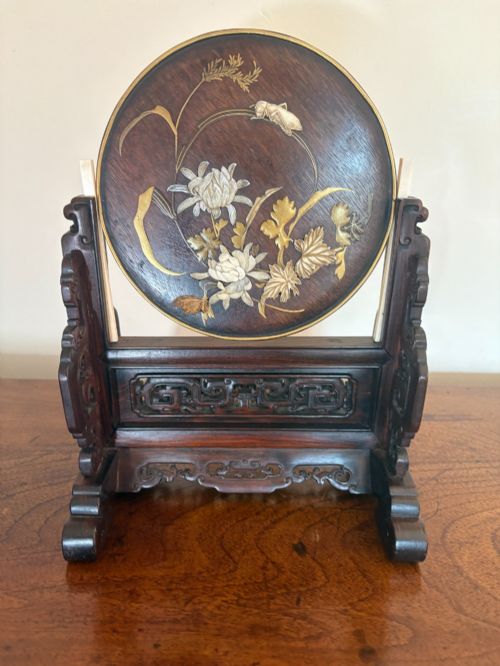
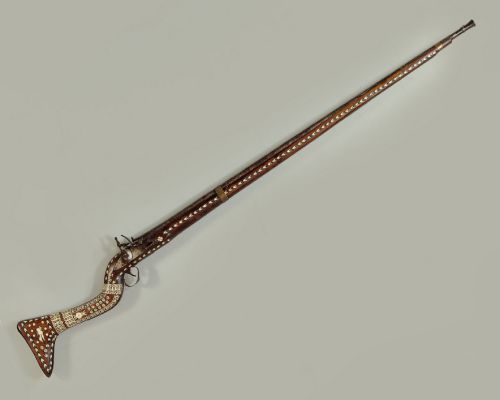
Woodworking traditions appear in carved bamboo bird cages, hardwood screens, and red or black lacquered boxes embellished with bone, ivory, and mother-of-pearl inlay. Porcelain items employ underglaze and overglaze painted decoration, visible in Imari and Canton styles.
Surface ornamentation often incorporates gold leaf, silver inlay, and high-relief casting. Artisans combined structural carpentry with meticulous surface decoration, applying lacquer layers and polishing metal plaques to achieve depth and contrast.
Assessing quality
Quality rests upon the precision of the handwork and the depth of relief carved into the medium. Superior bronze vessels and iron plaques exhibit crisp chiselling and secure metal inlay without surface gaps.
Porcelain and enamel pieces are distinguished by the fineness of their painted details and the evenness of the glaze or enamel fill. Cloisonné work with tightly fitted wires and vibrant, unblemished colour fields demonstrates superior workshop standards.
The integrity of the construction, whether in the joinery of a lacquered cabinet or the mounting of a bronze vase, separates ordinary utility items from exceptional collector pieces.
KANASAWA
The Asian Decorative Antiques Glossary
- Cloisonné
- Enamelling technique where thin metal wires form raised cells on a metal body to hold coloured paste before firing. This method creates intricate patterns across vases, dishes, and chargers.
- Imari
- Style of Japanese porcelain decorated in underglaze blue, iron red, and gold. These colourful wares were widely exported and remain recognisable by their vibrant palettes.
- Meiji Period
- Era of Japanese history lasting from 1868 to 1912, known for exceptional metalwork, enamel, and Shibayama inlay. Pieces from this time often feature naturalistic bird and flower motifs.
- Qing Dynasty
- The final imperial dynasty of China, ruling from 1644 to 1912. Items from this period frequently display imperial yellow glazes, carved hardwoods, and refined bronze forms.
- Shibayama
- Decorative technique involving the inlay of mother-of-pearl, shell, ivory, and bone into wood or lacquer surfaces. This creates a textured, low-relief picture.
Asian Decorative Antiques: Frequently Asked Questions
How should I clean bronze and brass pieces?
Bronze and brass items generally require only gentle dusting with a soft, dry cloth to preserve their historical patina. Avoid harsh chemical cleaners or abrasive polishes that can strip away original surface finishes.
If the metal requires more attention, consult a professional conservator to ensure the patination remains intact. Keeping pieces away from direct moisture and extreme humidity protects the metal over time.
How do I care for lacquered wood?
Lacquered wood surfaces need protection from direct sunlight and sudden temperature shifts to prevent warping or cracking. Dust them regularly with a soft, dry lint-free cloth.
Keep lacquerware away from heating vents and damp areas. Gentle handling preserves the delicate bone and mother-of-pearl inlay often embedded in these boxes and screens.
How can I tell the period of a vase?
Dating a vessel involves examining its manufacturing technique, material composition, and any maker marks or reign stamps on the base. Stylistic cues, such as the specific palette of an Imari bowl or the wire style of a cloisonné vase, offer strong chronological clues.
Comparing the piece's construction methods to documented examples from periods like the Meiji era helps confirm its age. Experts also evaluate the natural wear patterns on the base and surface.