


Asian Ceramic Plate
An asian ceramic plate brings centuries of kiln craft into the room, spanning bold Japanese Imari chargers and delicate Chinese export wares.
Asian Ceramic Plate
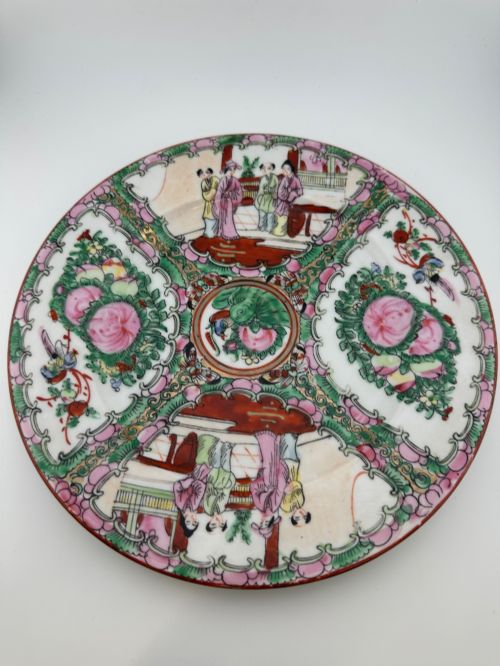
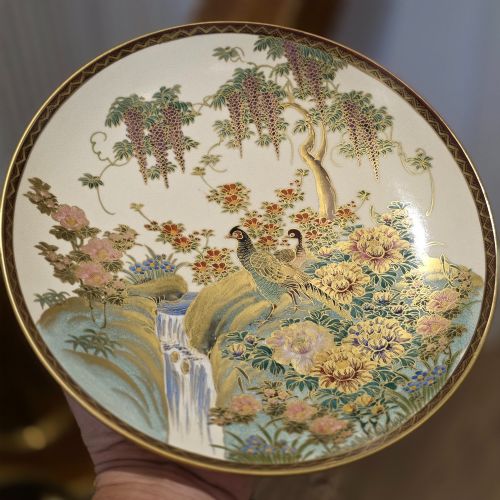
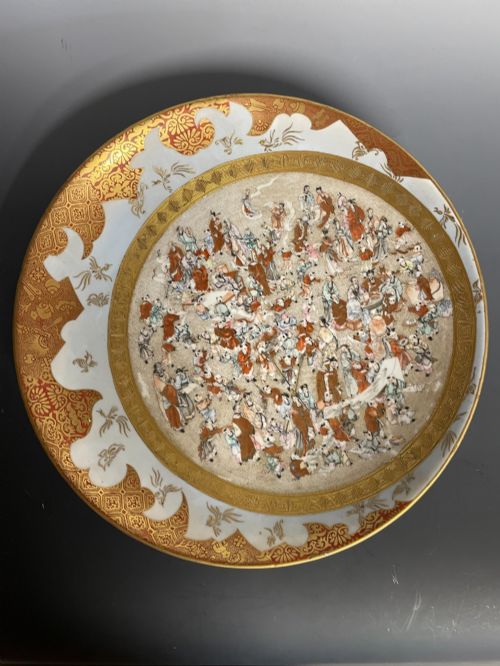
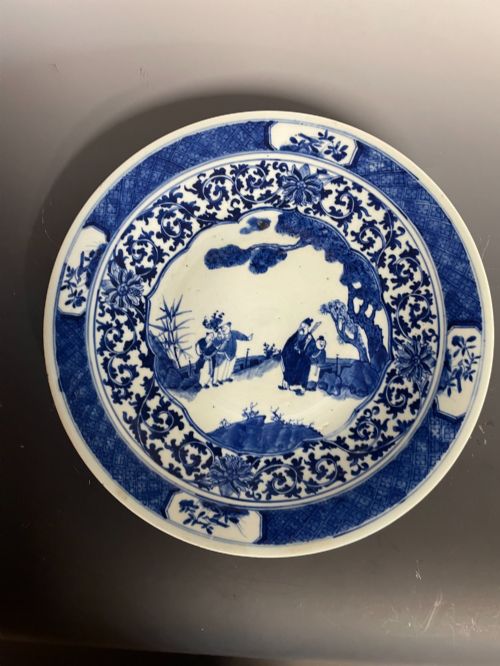
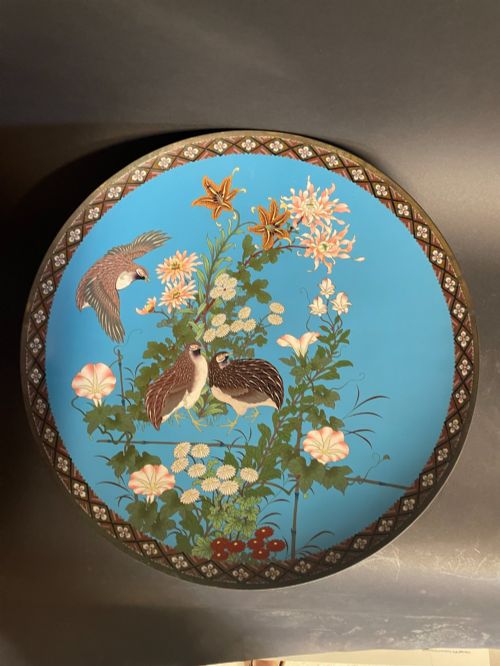
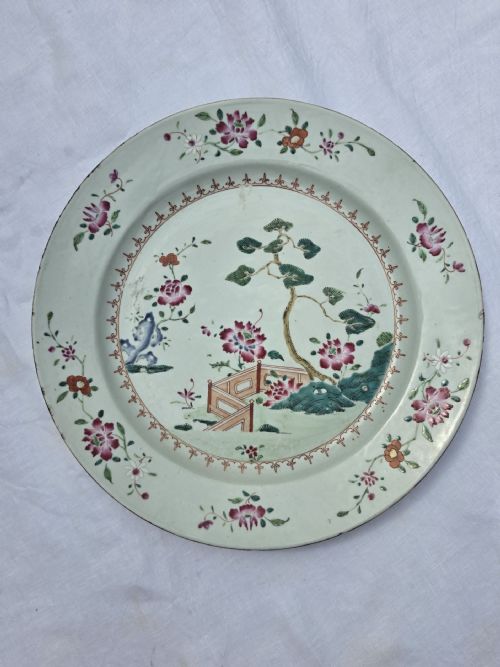
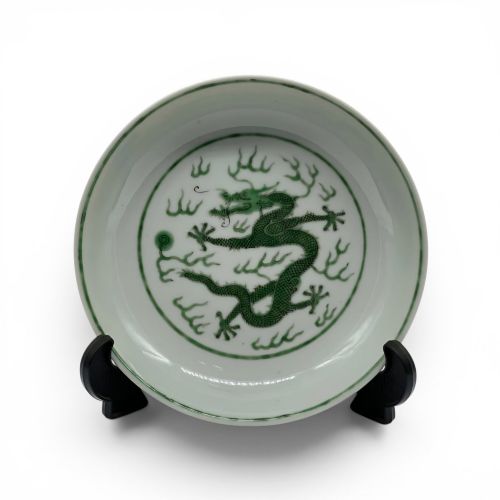
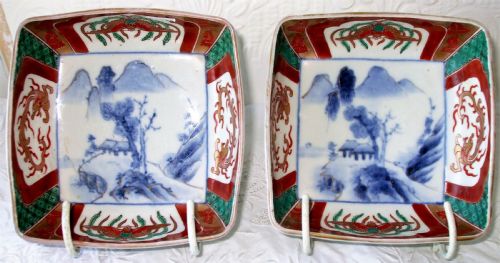
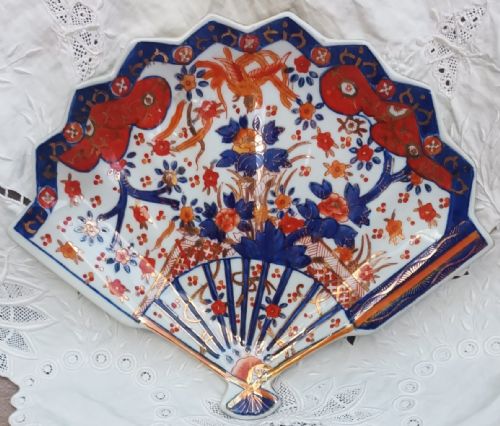
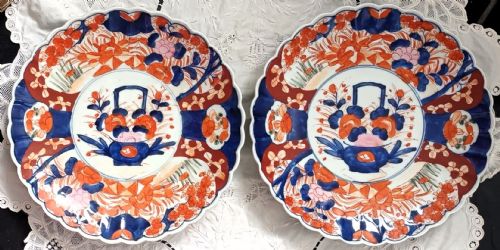
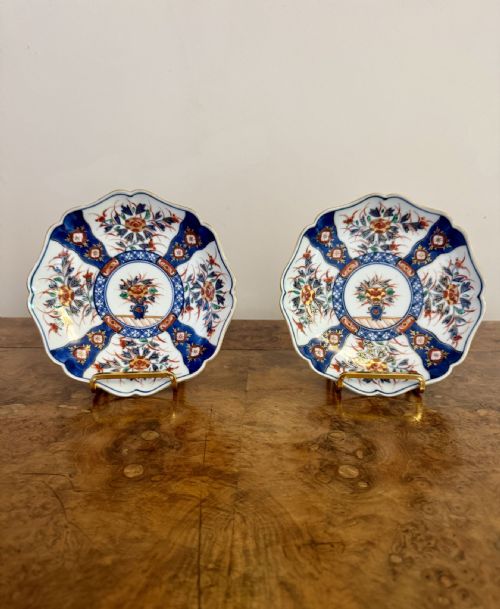
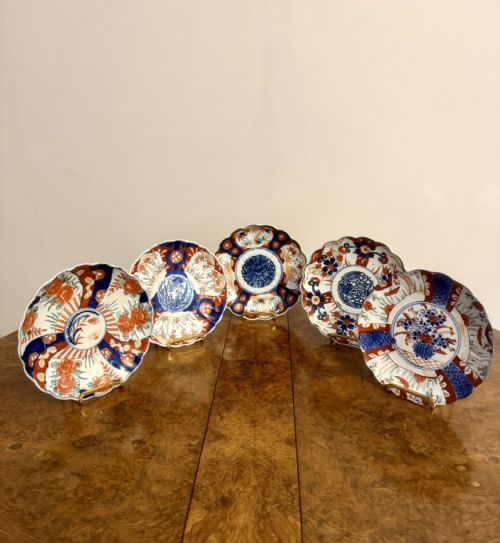
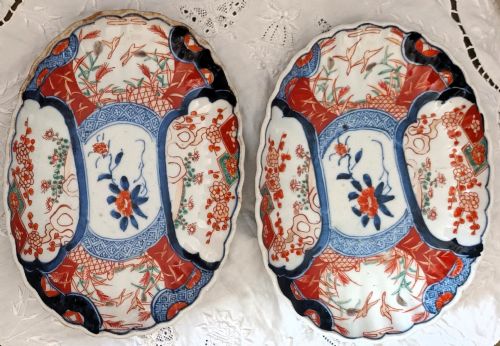
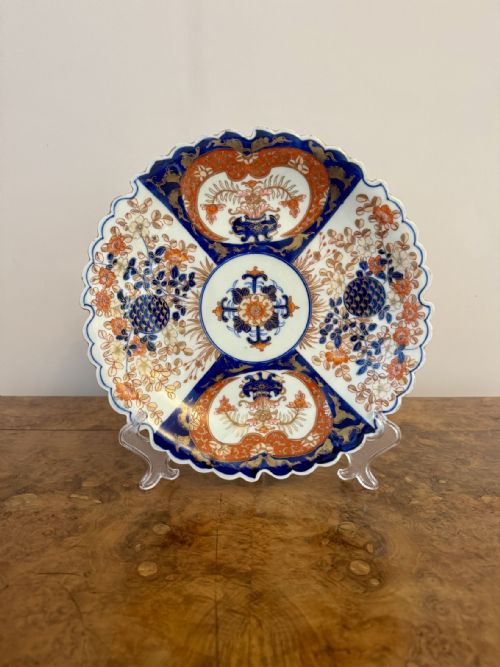
When you search for an asian ceramic plate, you encounter a diverse selection of decorative chargers, dishes, and platters originating from historic East Asian kilns. The pieces on this page lean heavily towards Japanese Meiji period Imari porcelain alongside earlier Chinese export wares and Edo period examples.
Forms range from standard scalloped and square plates to large display chargers and unusual fan or shell shapes. These variations reflect the specific decorative functions intended for each piece, whether designed for formal presentation or interior display.
Materials and production
Makers utilised dense porcelain and earthenware bodies, shaped by hand or moulded before receiving detailed hand-painted designs. Cobalt underglaze provided deep blue tones, while additional surface pigments like enamel, glaze, and gilt added layered colour and metallic contrast.
Firing techniques evolved across centuries, producing refined celadon glazes and durable vitreous finishes. Skilled artisans applied pigments with fine brushes to achieve intricate depictions of flora, fauna, and narrative scenes.
Materials recorded across the inventory include porcelain, earthenware, cobalt underglaze, enamel, and gold leaf.
Factors of quality
The division between standard output and the top of the range rests on the precision of the hand-painting and the depth of the glaze palette. Pieces featuring crisp brushwork and well-preserved gilding demonstrate superior workshop standards.
Structural complexity also distinguishes finer examples, such as moulded floral scrolls, scalloped edges, and substantial charger diameters that require advanced kiln control to prevent warping during firing.
Koshida
The Asian Ceramic Plate Glossary
- Imari
- A style of Japanese porcelain featuring a distinct palette of underglaze blue, iron red, and gilt highlights. These wares were widely exported to Europe from the port of Imari.
- Celadon
- A type of transparent green glaze applied over a white clay body, often showing subtle crackles or moulded relief decoration beneath the surface.
- Edo Period
- A historical division in Japan lasting from 1603 to 1867, noted for peace and the flourishing of urban arts including ceramics.
- Meiji Period
- The era in Japanese history spanning from 1868 to 1912, characterised by opening trade and prolific production of decorative arts for international markets.
- Cobalt Underglaze
- A blue pigment applied to raw ceramic bodies before glazing and firing, capable of withstanding high temperatures without fading.
Asian Ceramic Plate: Frequently Asked Questions
How do I date an antique Asian ceramic plate?
Dating relies on stylistic clues, glaze characteristics, and the historical context of the producing kiln. Meiji period pieces often display bright export enamels, whereas Edo period and earlier items show distinct baseline potting techniques.
Examining the foot ring and any underglaze markings also helps narrow down the period. Kiln waste attachment points and wear patterns provide further evidence of age.
What is the difference between a plate and a charger?
A charger is substantially larger than a standard dining plate, generally measuring over thirty centimetres in diameter. They were primarily intended for decorative display on walls or sideboards rather than dining use.
Plates were made in various smaller dimensions for functional service or modest display. Both forms utilise similar decorative palettes and painting techniques.
How should I display an antique plate safely?
Displaying these pieces requires sturdy wall hangers with protective rubber tips or stable cabinet stands designed for heavy porcelain. Avoid placing them in areas subject to direct sunlight or sudden temperature fluctuations.
Ensuring the mount distributes the weight evenly prevents stress fractures along the rim. Professional framing provides another secure method for wall mounting delicate chargers.
Can I use these antique plates for serving food?
Historic ceramic plates often feature delicate overglaze enamels and porous bodies that can absorb moisture or sustain surface wear from cutlery. Hand washing in lukewarm water without harsh detergents is necessary if cleaning is required.
For preservation purposes, collectors generally treat these items as decorative works of art rather than functional tableware. Modern use risks damaging fragile historic glazes and gilding.