



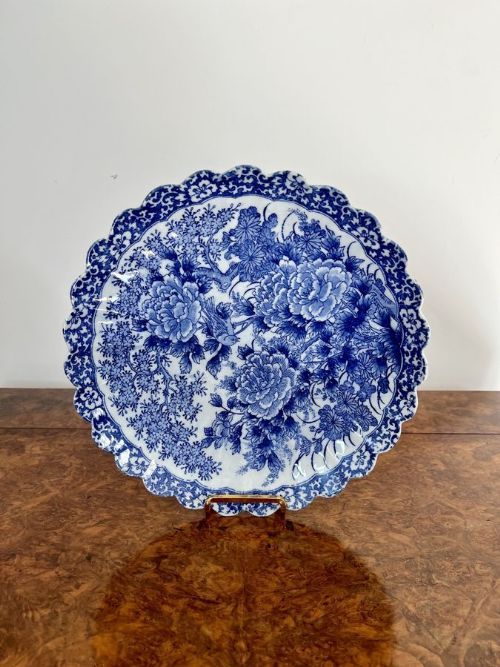


Imari Ware Charger
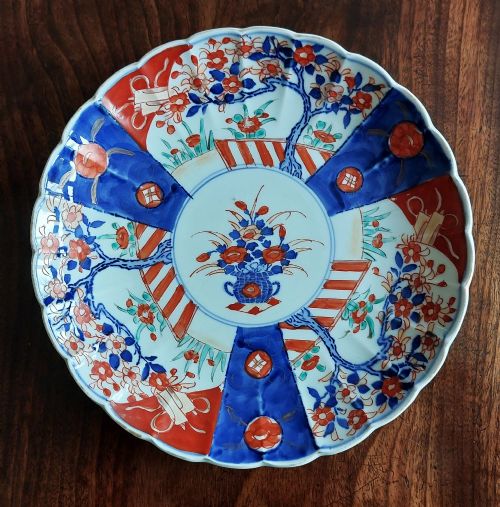
An imari ware charger brings rich palettes of cobalt blue, iron red, and gilt onto porcelain for striking display.
Imari Ware Charger
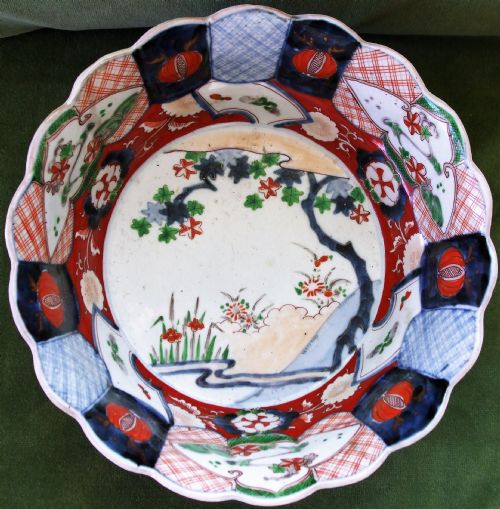
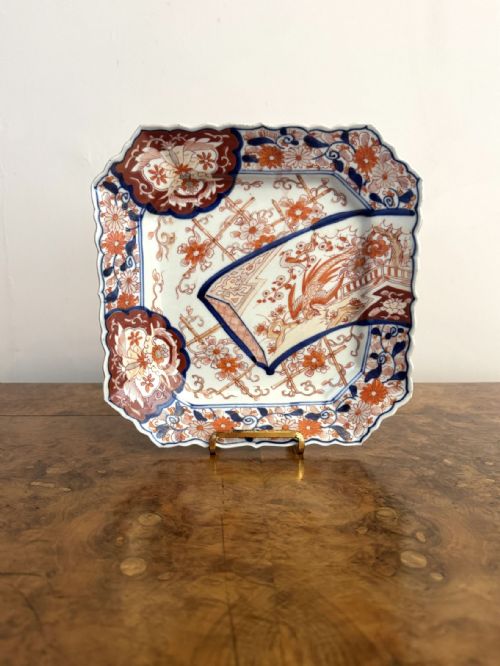
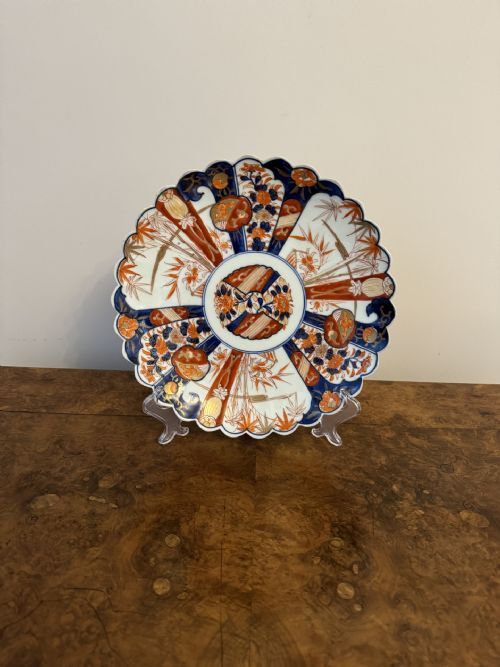
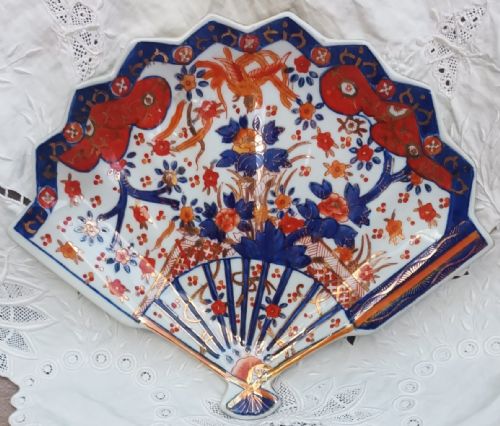
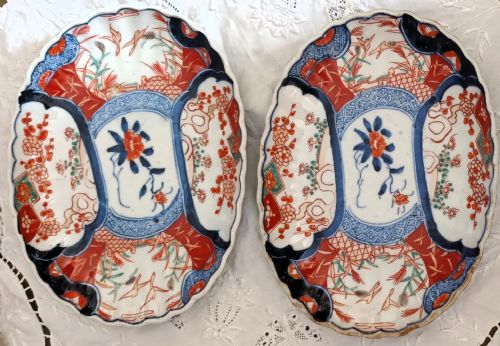
An imari ware charger is a large decorative display dish designed to anchor a room with intense pattern and colour. These pieces span centuries of production, appearing in forms ranging from traditional circular chargers to scalloped, square, fan-shaped, and oval dishes or bowls.
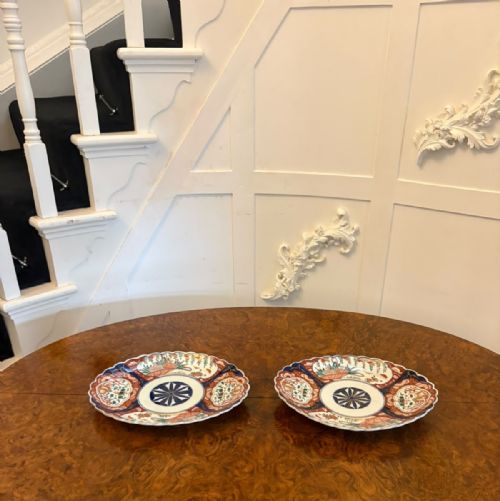
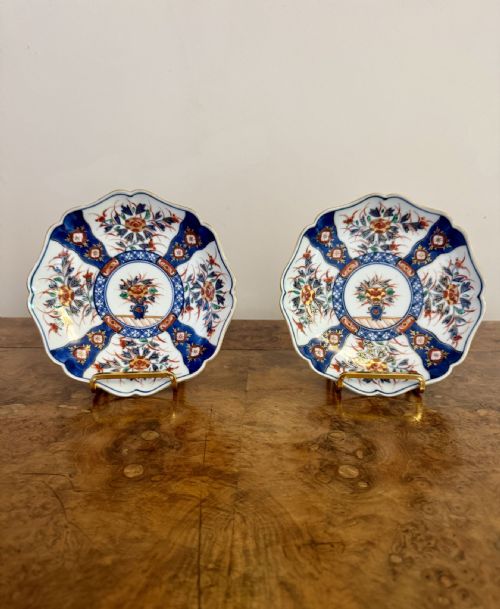
Buyers browsing this selection will most frequently encounter items originating from the 19th century and the Meiji period, alongside earlier Edo period examples. The offerings include individual display items as well as paired dishes and larger multi-piece collections.
Originating primarily from Japanese kilns, particularly in Arita, these works showcase distinct regional aesthetics that transition across different eras. The forms function primarily as decorative display pieces rather than practical tableware.
Materials and technique
The foundation of every imari ware charger is porcelain, formed into plates, bowls, and chargers before undergoing high-temperature firing. Artisans applied underglaze cobalt glaze to establish deep blue foundational motifs across the ceramic surface.
Overglaze enamel colours, particularly iron red, were added alongside gold leaf, gilt, and enamel glaze detailing to create the signature layered aesthetic. This combination of blue and white underglaze with vibrant overglaze metallic highlights defined the technical approach of the workshops.
Some chargers come safely tucked inside their own dedicated storage boxes, proving that historic porcelain appreciates a well-tailored home just as much as we do.
Distinctions in quality
Quality in an imari ware charger rests upon the precision of the hand-painted floral, bird, and scrolling foliate designs across the porcelain surface. Finer examples display meticulous brushwork and balanced colour distribution within the enamel and cobalt glaze layers.
The complexity of the physical form also influences the standard of a piece, with unusual shapes like square, fan-shaped, or deeply scalloped edges requiring greater technical skill from the potter. Richness in the application of gilding and gold leaf further separates standard production from exceptional examples.
The Imari Ware Charger Glossary
- Charger
- A large decorative plate or dish traditionally utilised for display rather than dining purposes.
- Meiji Period
- A historical Japanese era spanning from 1868 to 1912, associated with significant output found in current listings.
- Edo Period
- The period in Japanese history lasting from 1603 to 1867, representing earlier manufacturing origins.
- Arita
- A Japanese town and historical production centre in Hizen province renowned for porcelain manufacture.
- Cobalt Glaze
- An underglaze blue pigment utilised to create the foundational deep blue designs on the porcelain body.
Imari Ware Charger: Frequently Asked Questions
What is an imari ware charger?
An imari ware charger is a large decorative porcelain dish featuring characteristic cobalt blue and iron red designs highlighted with gold.
These pieces were traditionally produced in Japanese kilns for display in interiors.
How should I display my charger?
Chargers are primarily intended for visual display on walls, cabinets, or dedicated plate stands to showcase their intricate hand-painted patterns.
Because of their size and decorative value, they serve as focal points in a room rather than functional tableware.
How do I identify the period?
Dating relies on stylistic traits, historical periods such as the Edo or Meiji eras, and the specific characteristics of the porcelain and glazes.
Earlier pieces often trace back to the 17th century Arita tradition, while later examples frequently date from the 19th and early 20th centuries.
Are these pieces hand painted?
The designs on these porcelain chargers and dishes are hand painted using underglaze cobalt and overglaze enamel colours.
Artisans carefully applied floral, bird, and foliate motifs by hand before secondary firing processes.