

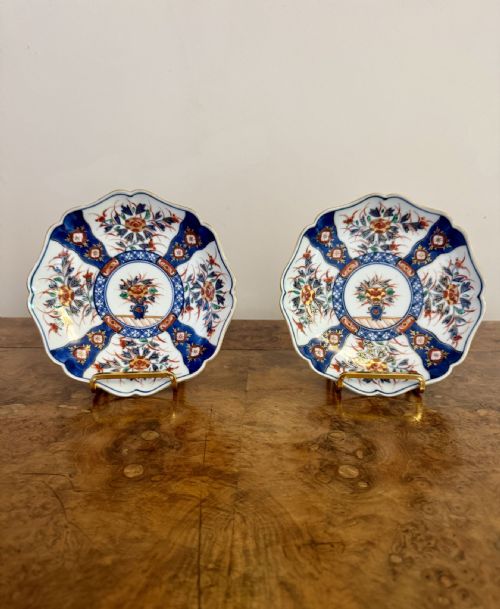
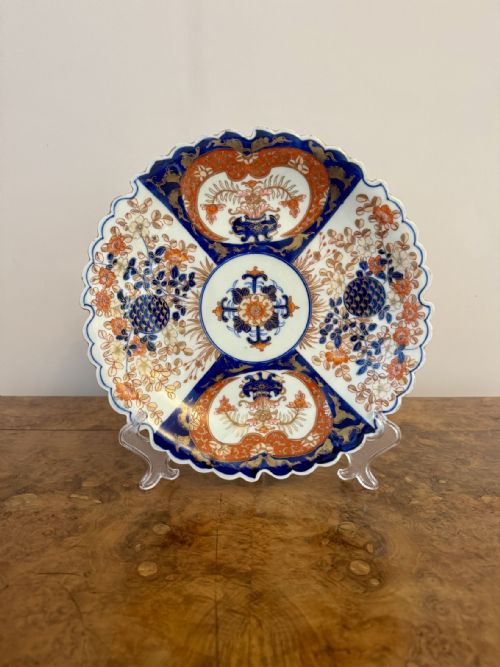
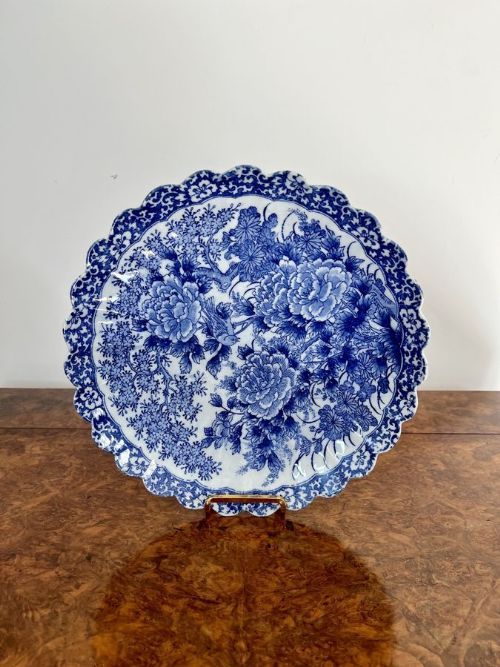


Edo Period Plate
These pieces known as an edo period plate bring centuries of Japanese ceramic history into domestic display.
Edo Period Plate
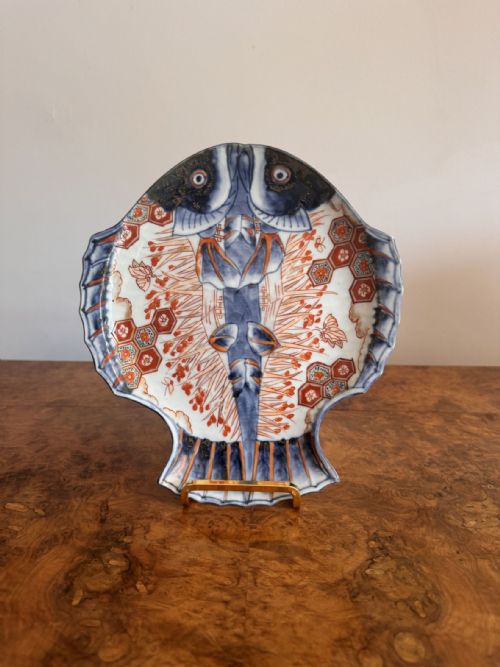
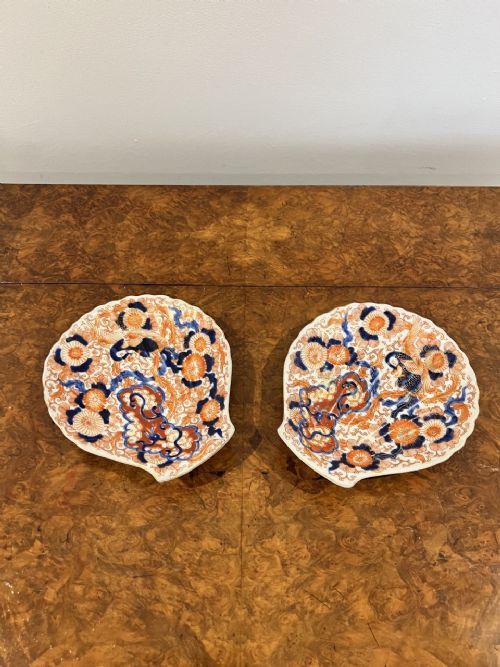
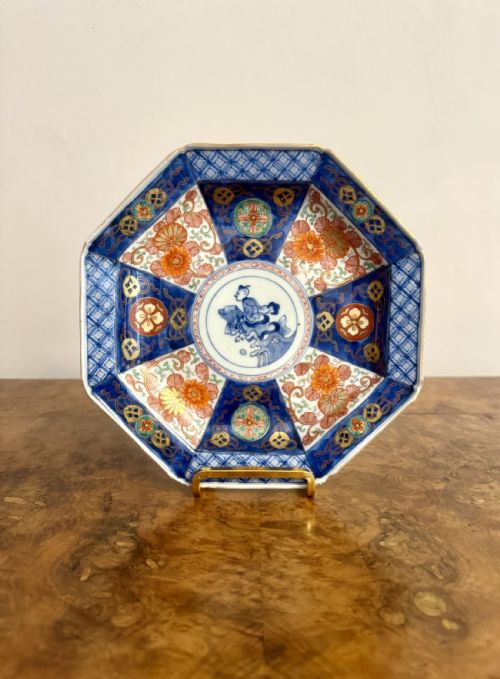
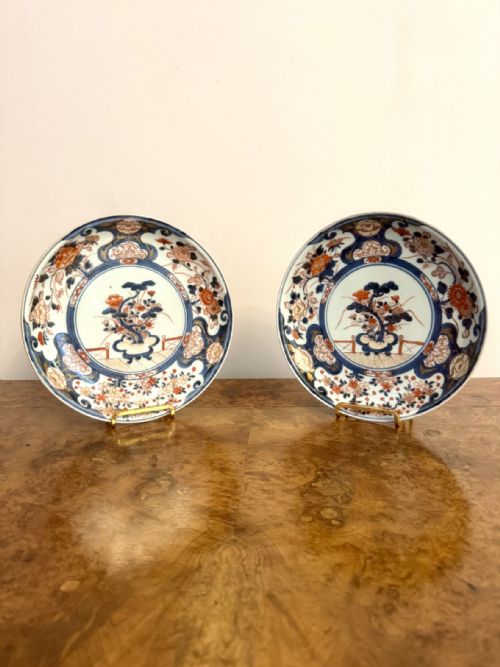
When searching for an edo period plate, buyers encounter Japanese porcelain and ceramic wares spanning several centuries, with nineteenth century items appearing frequently alongside earlier examples. Forms range from standard circular plates to chargers, dishes, and shaped vessels including fan, fish, shell, and hexagonal formats.
The aesthetic bridges traditional Japanese domestic design with export production, often utilising the distinctive Imari palette alongside blue and white decoration. Surviving examples include both single items and matched pairs or larger sets.
Materials and construction methods
Pots were formed primarily from porcelain and ceramic, shaped into plates, chargers, and specialised forms such as clam shell dishes. Cobalt underglaze provided foundational blue decoration.
Makers applied coloured enamel and gold leaf over the glaze to build up complex pictorial surfaces. Copper and brass occasionally appear in related decorative contexts, while hand painting ensured individual variation across the fired items.
Current listings feature porcelain and ceramic objects spanning from the late seventeenth century through the early twentieth century, incorporating blue and white and Imari styles.
Distinctions in quality and execution
The standard of an edo period plate rests upon the crispness of the hand painting and the registration of the enamel colours and gold leaf against the porcelain body. Finer pieces display precise brushwork in the cobalt underglaze and well-defined moulding in shaped examples like fish, fan, or shell formats.
Earlier productions from the seventeenth and eighteenth centuries command attention for their historical depth, while nineteenth century output shows varied competency in decorative density and kiln control.
The Edo Period Plate Glossary
- Imari palette
- A traditional decorative scheme employing cobalt blue, iron red, and gold on a white porcelain ground. This palette originated in Hizen province and gained popularity across Europe and Japan.
- Arita
- A Japanese town and production centre renowned for porcelain manufacture. Wares from this region form the backbone of many historical ceramic collections.
- Charger
- A large decorative plate intended for display rather than table service. These substantial vessels often feature complex pictorial schemes.
- Cobalt Underglaze
- A blue pigment applied to ceramic bodies prior to glazing and high-temperature firing. This technique ensures the colour remains permanent and protected beneath the glass layer.
Edo Period Plate: Frequently Asked Questions
How do I date an edo period plate?
Dating relies on stylistic markers, potting techniques, and the composition of the glaze and pigments. Earlier pieces from the seventeenth and eighteenth centuries often display heavier bodies and distinct palette choices compared to later nineteenth century examples.
Examination of the foot ring and any underglaze cobalt characteristics also helps establish the approximate period of manufacture.
Were these plates used for dining?
While ceramic dishes served practical functions in historical Japanese households, larger chargers and intricately painted plates were frequently produced for display or export trade. Many surviving examples show minimal wear because owners kept them as decorative objects.
Special shapes like fan or shell forms indicate presentation use rather than everyday dining service.
What is the difference between Imari and Arita?
Arita refers to the geographic production centre in Japan where the porcelain was actually manufactured and fired. Imari is the port town from which these ceramic goods were shipped, which gave its name to the distinctive blue, red, and gold decorative style.
All Imari porcelain is fundamentally Arita ware, but not all Arita porcelain uses the Imari palette.
How should I display a charger plate?
Chargers require sturdy wall hangers designed for heavy ceramics or dedicated display stands with secure lips. Placement should avoid direct sunlight to protect the enamel and gold leaf details from fading over time.
Stable cabinet placement also works well for showcasing shaped dishes and smaller plates safely.