

Asian Ceramic Charger
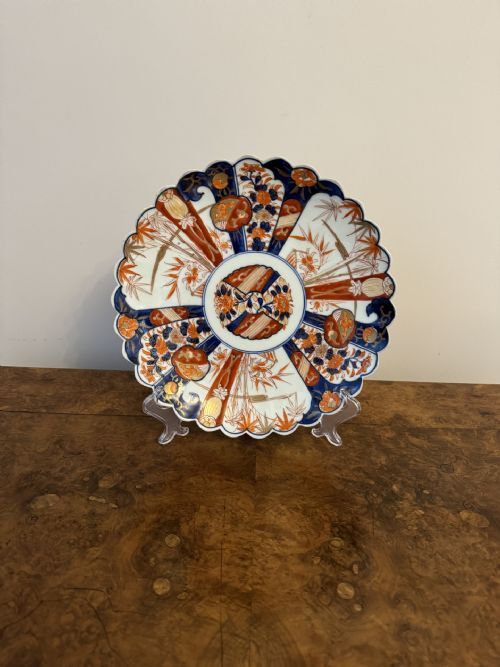
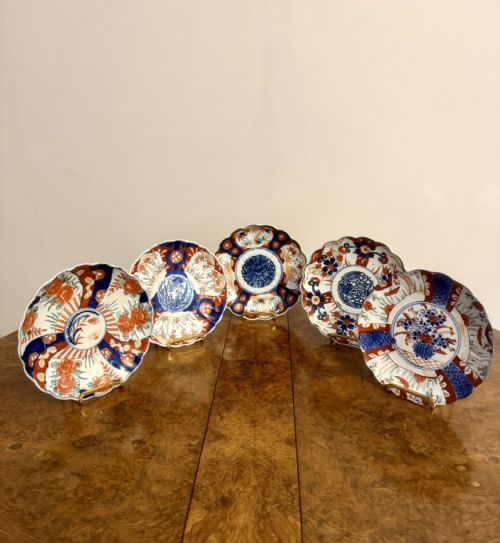
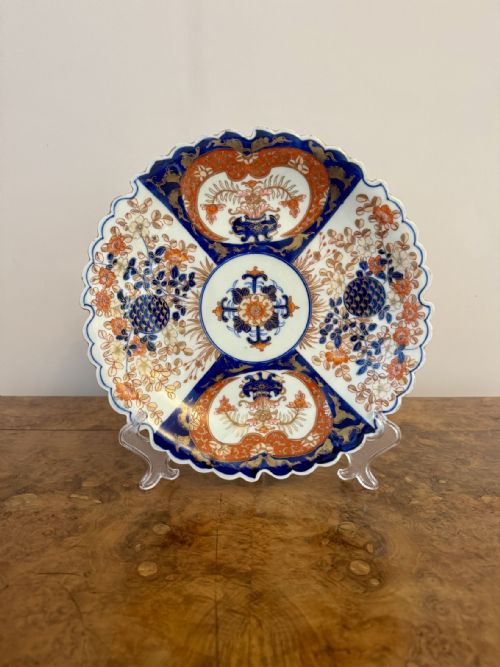
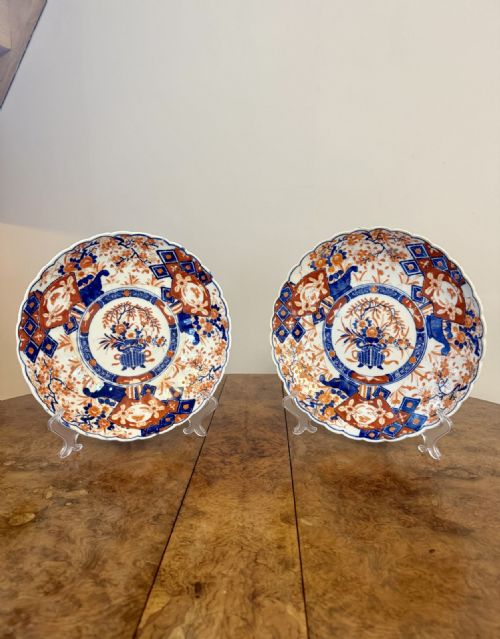
These large circular ceramic pieces bring vibrant colour and intricate patterns to an interior, whether mounted on a wall or displayed on a stand.
Asian Ceramic Charger
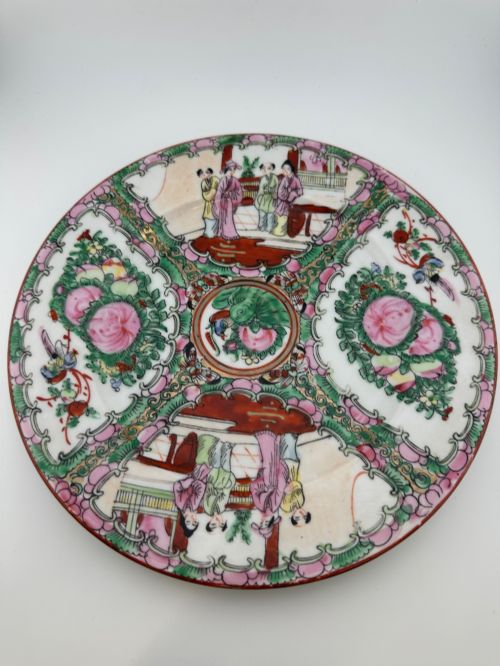
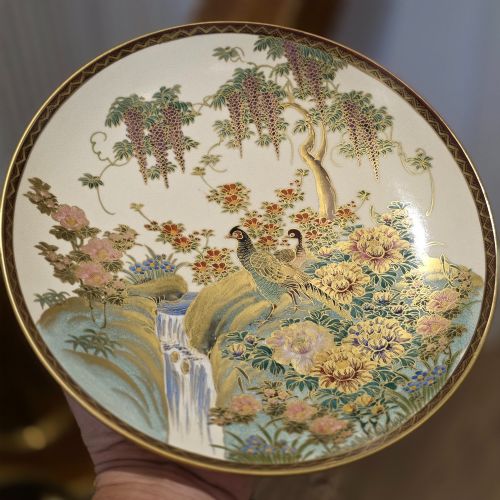
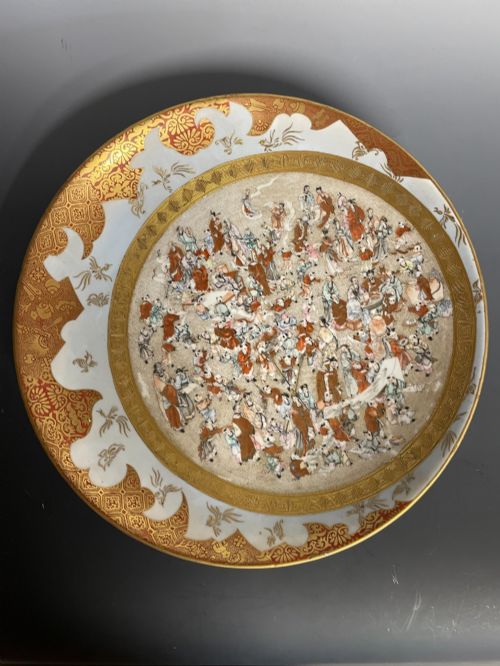
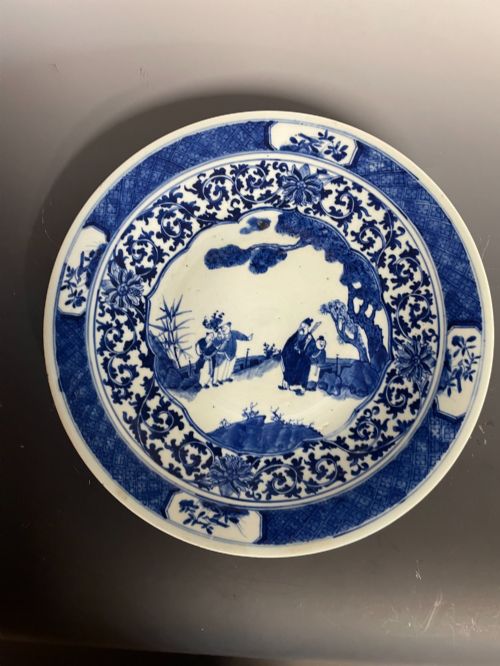
An asian ceramic charger is a wide, shallow dish created for display rather than dining, occupying a central place in traditional decoration. The pieces found here span centuries of craftsmanship from Japan and China, ranging from sturdy earthenware to refined porcelain.
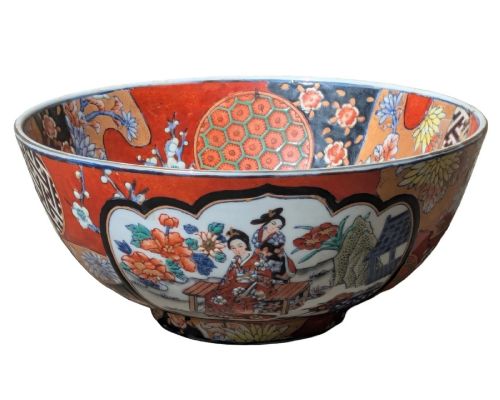
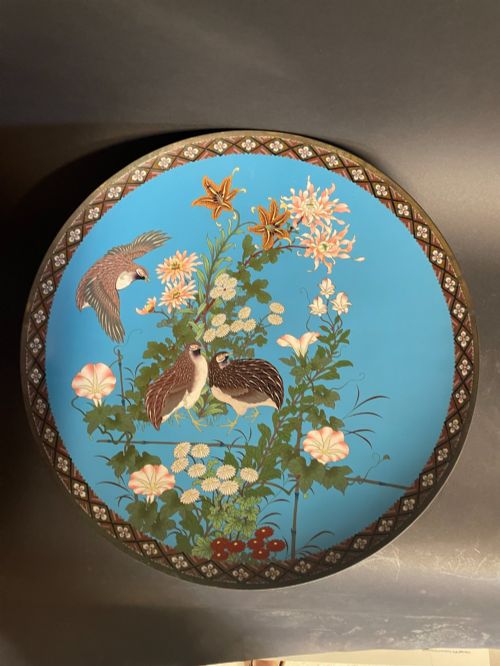
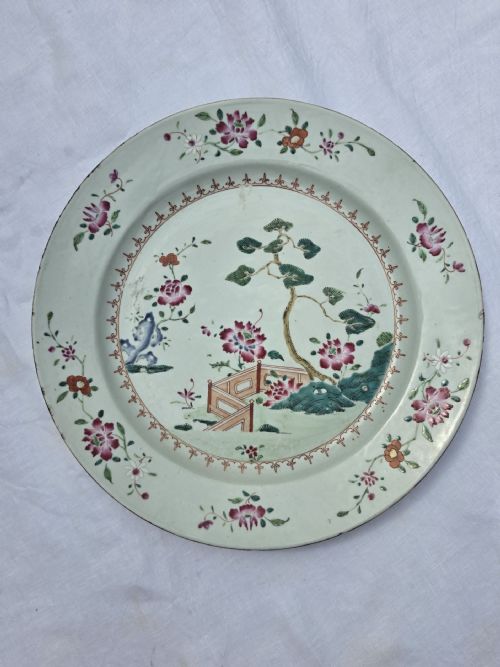
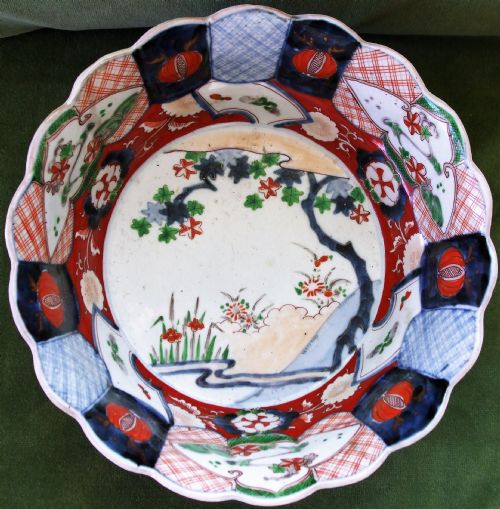
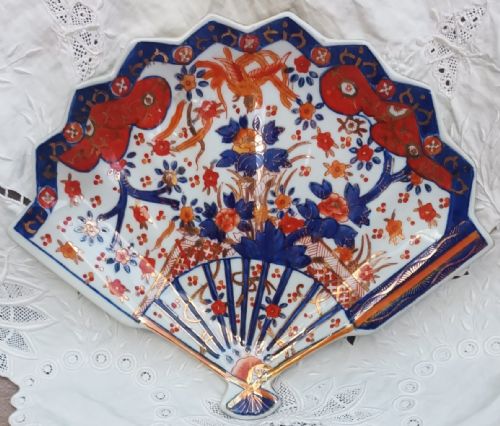
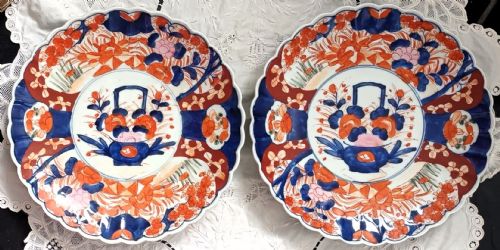
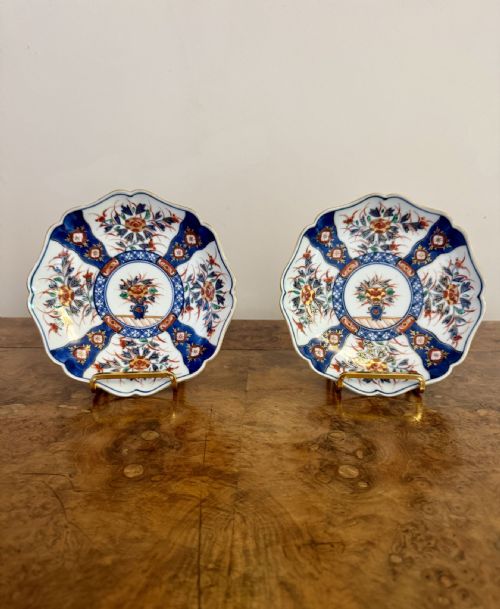
Japanese Imari ware from the Meiji period dominates the selection, alongside Kutani wares, Satsuma dishes, and earlier Chinese export porcelains. Forms vary from traditional round chargers to scalloped edges and square plates.
Originating across different dynasties and eras, these objects reflect distinct regional aesthetics, moving from the subdued green glazes of Longquan celadon to the rich iron-red and cobalt-blue palettes of Imari.
Materials and Techniques
Makers shaped these pieces primarily from ceramic, earthenware, and fine porcelain, often finishing them with a clear or coloured glaze. The body is formed by throwing on a wheel or pressing into a mould, as seen in moulded floral scroll designs.
Decoration relies heavily on hand-painted pigments, enamel, and gilding, with details picked out in gold leaf. Kiln firing sets the underglaze cobalt blue and overglaze enamels into a durable, glossy surface.
The materials recorded across the inventory include porcelain, earthenware, enamel, gold leaf, and traditional glazes.
Evaluating the Pieces
Quality rests upon the precision of the hand-painted brushwork and the complexity of the design, such as figurative scenes depicting deities or intricate floral motifs. Finer examples display crisp detail in the polychrome enamels and gold leaf application.
The weight, resonance of the porcelain, and balance of the plate shape indicate the skill of the potter. Earlier examples from the Edo period or 17th century carry historical weight that influences their desirability.
Koshida
The Asian Ceramic Charger Glossary
- Charger
- A large decorative plate or dish, traditionally used for display on a sideboard or wall rather than serving food. These wide vessels provide a large canvas for elaborate painted scenes.
- Imari
- A style of Japanese porcelain decorated in underglaze blue, iron-red, and gilt. This palette became immensely popular for export to Europe.
- Celadon
- A term for ceramics denoting a pale green glaze resembling jade. This finish relies on iron oxide in the glaze reacting during reduction firing.
- Kutani
- Japanese porcelain noted for bold pictorial designs and rich overglaze enamel colours. Pieces often incorporate reds, greens, and golds.
- Edo Period
- A period in Japanese history spanning from the early seventeenth to the mid-nineteenth century. Wares from this era are noted for distinct traditional artistry.
Asian Ceramic Charger: Frequently Asked Questions
How do I identify a Meiji period piece?
Meiji period items date from the late nineteenth to the early twentieth century, an era of prolific artistic export in Japan. They often feature dense, colourful enamel work and gilt highlights.
Look for characteristics like Imari palettes with birds or figures, alongside stylistic cues typical of this specific timeframe.
Are these chargers fragile?
While made from durable ceramic and porcelain materials, these pieces require careful handling due to their age and decorative surface. Overglaze enamels and gold leaf can wear if subjected to abrasive cleaning.
Display them in stable locations away from heavy foot traffic or vibration to ensure they remain preserved for the future.
What is the difference between Imari and Kutani?
Imari wares are traditionally recognised by their striking combination of underglaze blue and iron-red, frequently accented with gold. The designs tend to feature intricate geometric and floral patterns.
Kutani wares, by contrast, lean heavily on pictorial storytelling with a wider range of bold overglaze enamel colours, particularly deep greens and golds.