





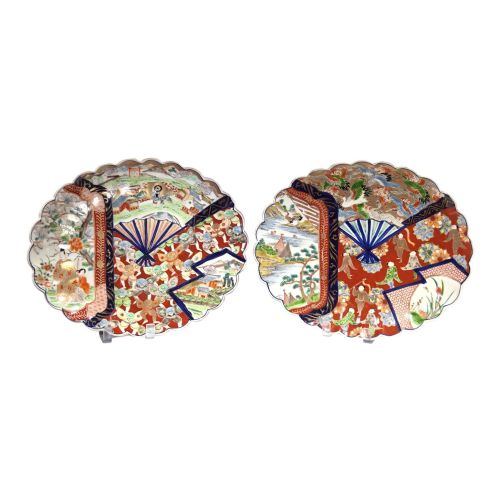


Vintage Japanese Blue Plate
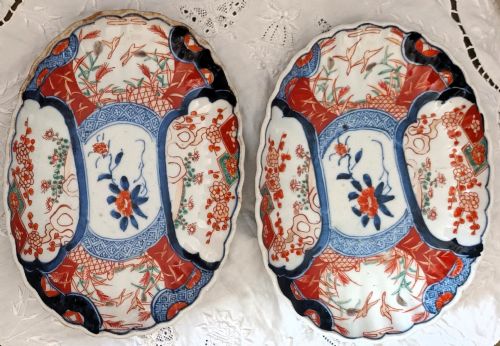
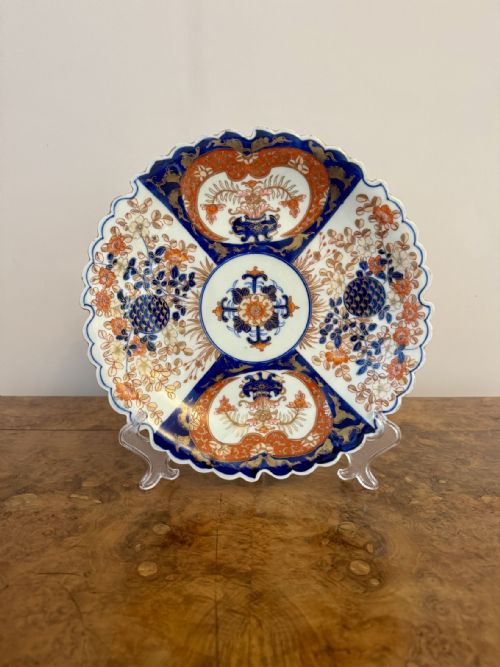
These vintage japanese blue plate examples combine hand-painted Imari patterns and cloisonne enamel work to bring traditional craftsmanship into your home.
Vintage Japanese Blue Plate
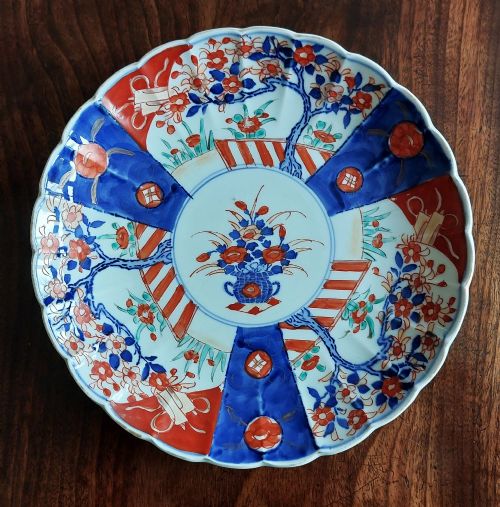
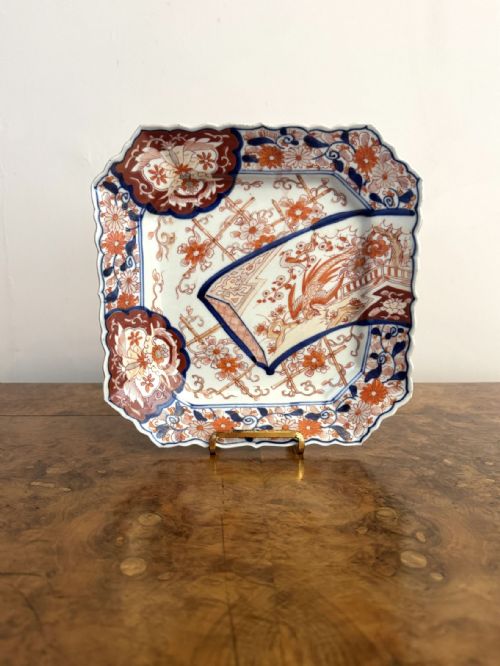
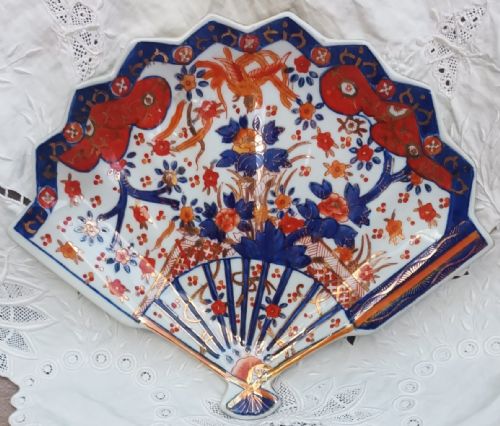
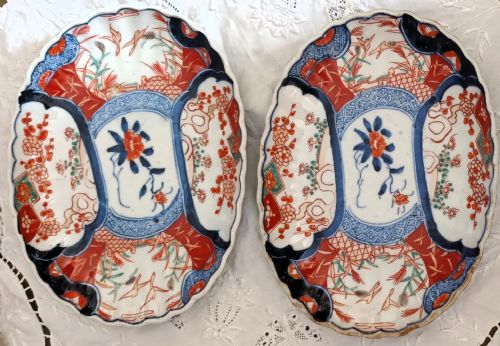
When you search for a vintage japanese blue plate, you encounter decorative ceramics and enamel pieces originating primarily from the Meiji and Edo periods, alongside later nineteenth and early twentieth-century examples. The selection on this page consists predominantly of Imari porcelain chargers, square shaped dishes, and scalloped plates decorated with traditional motifs.
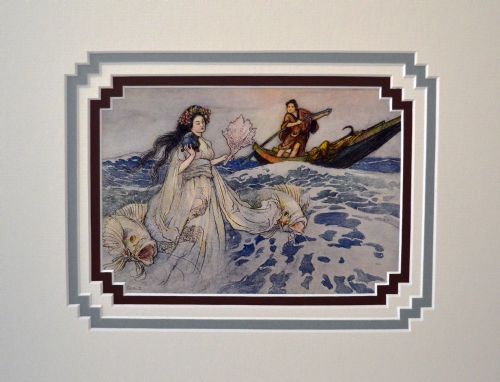
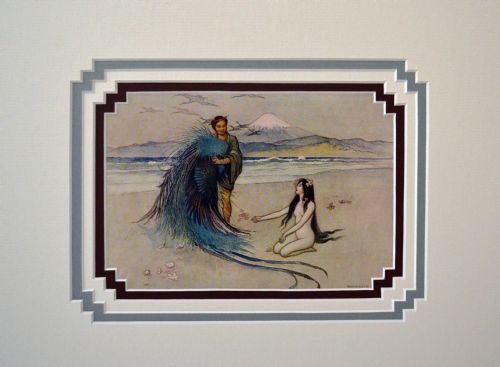
Beyond porcelain, the selection includes cloisonne enamel trays and plates featuring pictorial subjects such as koi, ibis, dragons, and samurai figures. Buyers also find complementary prints depicting Japanese fairy tales, broadening the range of decorative objects available from the same periods.
How they were made
Makers utilised porcelain bodies decorated with cobalt blue glaze, frequently combined with enamel colours, copper wirework, and gold leaf or gilt highlights. Cloisonne examples relied on intricate copper wire partitions filled with vitreous enamel pastes before firing and polishing.
The porcelain pieces required high-temperature kiln firings to set the underglaze blue and subsequent lower-temperature firings for overglaze enamels. Artisans applied hand-painted details ranging from geometric borders to complex figural scenes depicting mythological figures and natural subjects.
Several plates depict legendary demons and samurai sharing shelf space with serene depictions of leaping koi and mythological gods.
What varies in quality
The standard of execution separates standard production ware from exceptional collector pieces, particularly in the precision of hand-painted brushwork and the delicacy of cloisonne wire cells. Pieces described with unusual or outstanding quality exhibit finer detail in subjects such as the Seven Lucky Gods or leaping koi.
Surface finish and material richness also dictate the grade of a piece, with the application of gold leaf and the clarity of the cobalt glaze varying across different workshops. Pairs and matched collections demonstrate greater uniformity in design and firing success.
The Vintage Japanese Blue Plate Glossary
- Imari
- A style of Japanese porcelain decorated in underglaze blue, iron red, and gold, named after the port from which it was shipped to Europe. It remains one of the most recognisable export wares.
- Cloisonne
- A technique where enamel is applied to compartments formed by soldering metal strips to a metal base. The surface is then fired and polished smooth.
- Charger
- A large decorative plate or dish used primarily for display rather than for serving food at the table. These often feature the most elaborate pictorial designs.
- Edo Period
- The period lasting from 1603 to 1867 under the Tokugawa shogunate, which produced foundational ceramic styles that continued into later centuries.
Vintage Japanese Blue Plate: Frequently Asked Questions
What is a vintage japanese blue plate?
A vintage japanese blue plate typically refers to Imari porcelain tableware and decorative chargers featuring cobalt blue underglaze designs.
These items date from the nineteenth and early twentieth centuries, reflecting traditional export styles produced for international markets.
How were Imari plates used?
Historical Imari plates served both functional dining roles and purely decorative display purposes within homes.
Larger chargers were frequently mounted on walls or displayed on cabinets to showcase their painted cobalt and iron-red palettes.
How do I identify Meiji period pieces?
Meiji period items correspond to the years between 1868 and 1912, often indicated in listings by specific historical dates or stylistic markers.
They frequently combine traditional motifs like cranes and dragons with advanced enamel and porcelain manufacturing techniques developed during this era.
Are cloisonne plates made of porcelain?
Cloisonne plates utilise a metal base, usually copper, rather than ceramic or porcelain materials.
Artisans created the designs by soldering thin metal wires to the base and filling the resulting cells with coloured enamel before firing.
How should I display a charger?
Chargers are heavier and wider than standard dining plates, making sturdy wall brackets or specialised plate stands essential for safe exhibition.
Positioning them away from direct sunlight helps preserve the vibrancy of the enamel colours and gilt highlights.