


Asian Porcelain Platter
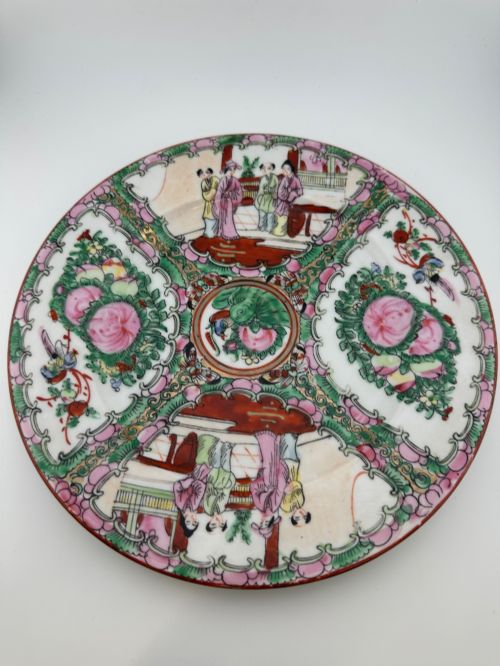
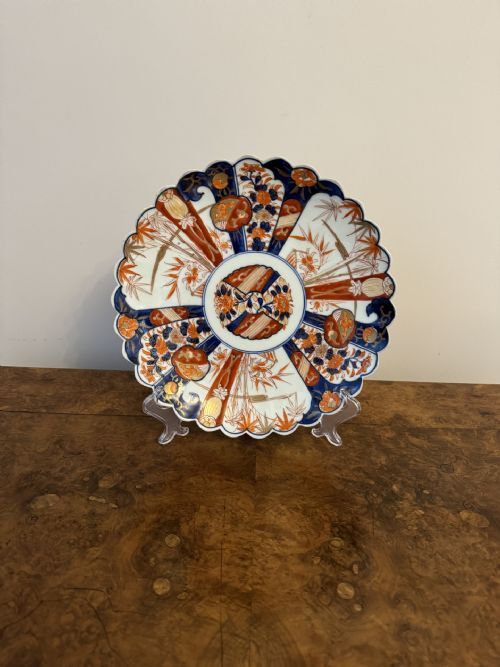
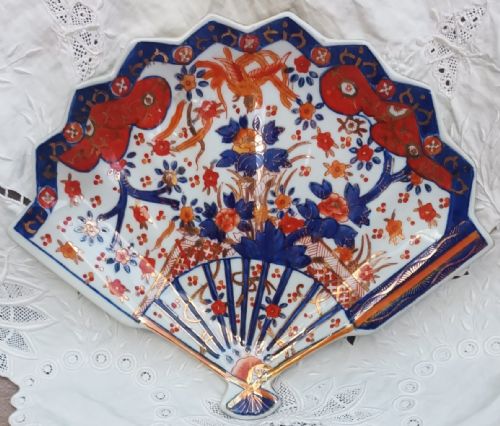
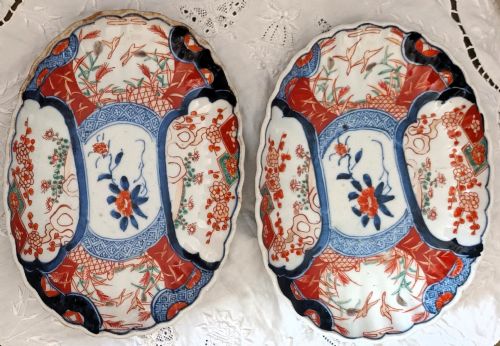
An asian antique porcelain platter brings centuries of kiln artistry into a room, offering broad surfaces painted with rich cobalt and iron red.

Asian Porcelain Platter
When searching for an asian antique porcelain platter, collectors encounter wide chargers, deep bowls, and large decorative plates originating mainly from Japanese and Chinese kilns. The pieces on this page span several centuries of production, stretching from the seventeenth century through the Meiji period and into the early twentieth century.
The most common examples met here are Japanese Imari chargers and plates, alongside Arita wares and Chinese blue and white pieces. These objects were originally made for domestic display or export, balancing utility with intricate pictorial storytelling.
Forms vary from scalloped edges and square plates to massive circular chargers measuring over seventy centimetres across. Buyers find both individual display pieces and matched pairs intended for symmetrical placement.
Materials and Techniques
Potters shaped fine ceramic clay on the wheel or pressed it into moulds, creating sturdy vessels designed to withstand high kiln temperatures. Cobalt underglaze was applied to the raw body before firing, producing deep blue tones that remained sharp beneath clear glazes.
Enamel colours, gold leaf, and gilding were frequently added over the glaze during a second, cooler firing to build rich surface detail. This layering technique allowed makers to combine underglaze blue with vibrant red and metallic accents.
Moulded floral scrolls, barbed rims, and hand-painted motifs required precise brushwork and control over pigment density. The resulting surfaces reveal the physical interaction between mineral pigments and high-fire porcelain bodies.
Several chargers proudly depict the Seven Lucky Gods sharing space on a single porcelain dish.
Standards of Quality
Quality rests in the crispness of the hand-painted brushwork and the precision of the cobalt underglaze lines. Superior pieces display steady control over intricate foliate borders and figural scenes without blurring or pooling of pigment.
The integration of gold leaf, gilding, and overglaze enamel determines the visual depth of a charger. Strong examples maintain vibrant contrast between iron red, underglaze blue, and metallic highlights.
Thick, well-balanced ceramic bodies with clean rims and minimal kiln distortion show superior potting skill. The overall weight and resonance of the porcelain reflect the purity of the materials used in production.
The Asian Porcelain Platter Glossary
- Charger
- A large decorative plate or platter typically exceeding thirty centimetres in diameter. These broad pieces were designed for ceremonial display on tables or walls rather than daily dining.
- Imari
- A style of Japanese porcelain featuring a distinctive palette of underglaze cobalt blue and iron red, often enriched with gold gilding. Production centred around the port of Imari for export to Western markets.
- Aka-e
- Japanese ceramic decoration dominated by red enamel pigment. This technique often appears alongside cobalt underglaze on early wares.
- Celadon
- A transparent pale green or grey-green glaze applied over a white porcelain body. The subtle tone mimics the appearance of jade.
- Underglaze
- Pigment applied directly to the unfired ceramic body before the application of a clear glaze. This method protects the painted design from wear during use.
- Meiji
- The period in Japanese history spanning from 1868 to 1912, marked by significant artistic production for international export. Wares from this era often exhibit highly detailed hand-painted designs.
Asian Porcelain Platter: Frequently Asked Questions
How were antique platters used?
These large vessels served primarily as display pieces on sideboards, walls, or dining tables in wealthy households. Their expansive painted surfaces made them ideal centrepieces for formal rooms.
Over time, collectors valued them more for their decorative impact than for serving food, preserving the delicate overglaze enamels and gilding from daily wear.
How do I tell Arita ware apart?
Arita porcelain is defined by its fine-grained white body and smooth, controlled glazes produced in Hizen province. Pieces often feature cobalt blue designs or early Imari enamel palettes.
Examining the foot ring and the clarity of the underglaze painting helps distinguish Arita production from later regional copies.
What is the difference between a charger and a plate?
Chargers are significantly larger than standard dining plates, usually measuring well over thirty centimetres across. They were built with heavier walls to support their broad, decorative surfaces.
Plates are smaller and deeper, often shaped with scalloped edges or barbed rims suited for individual handling.
How should I care for antique porcelain?
Keep porcelain platters out of direct sunlight to prevent fading in overglaze enamels and gold leaf. Dust them gently with a soft, dry cloth rather than using liquid cleaners.
When displaying large chargers, ensure they rest securely in stable wall brackets or dedicated plate stands designed for heavy ceramics.