
Asian Metalwork
Asian antique metalwork brings together centuries of skilled casting, patination, and inlay across vessels and decorative objects.
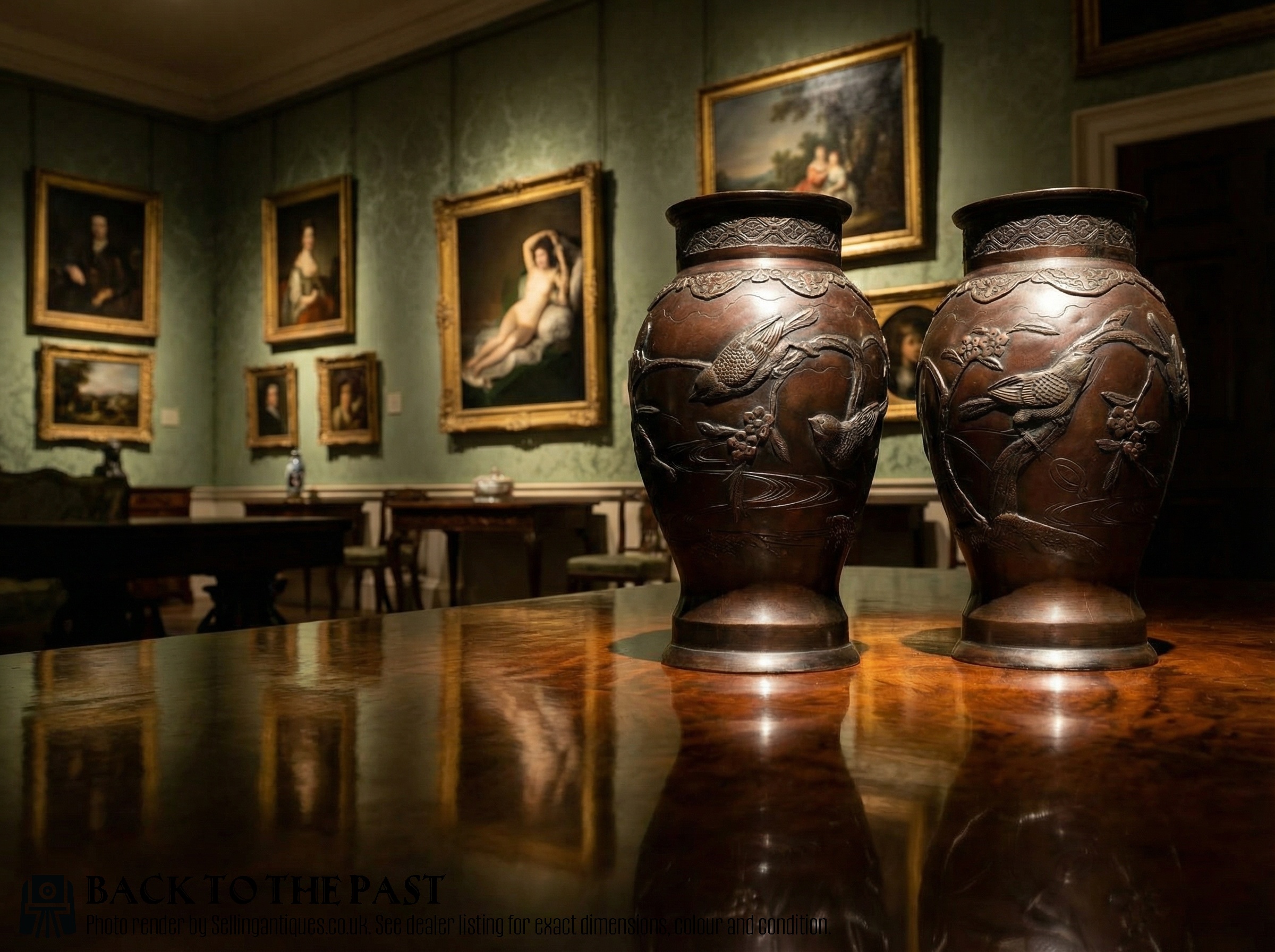
Understanding Asian antique metalwork
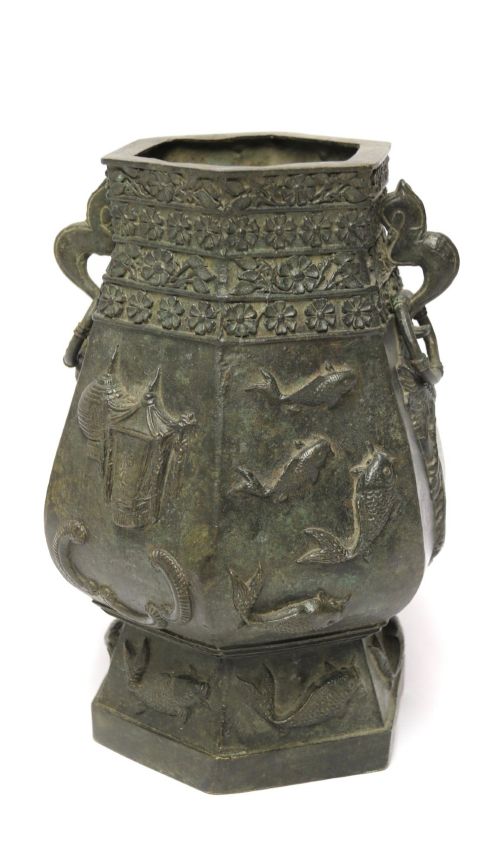
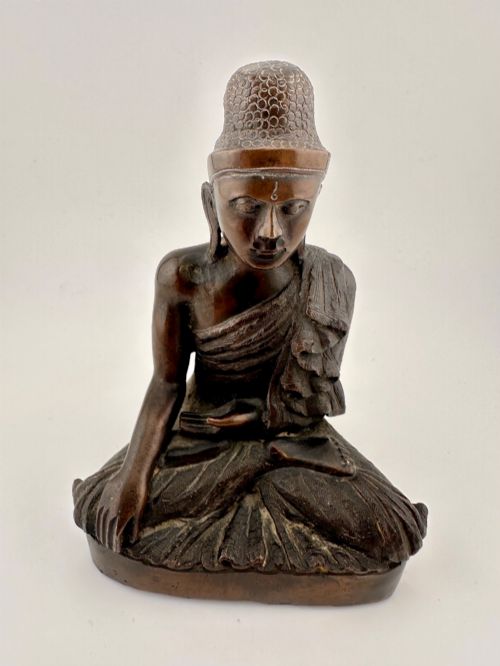
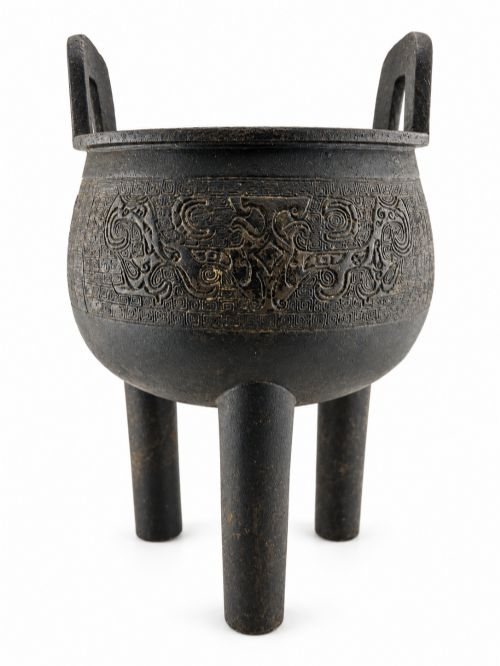
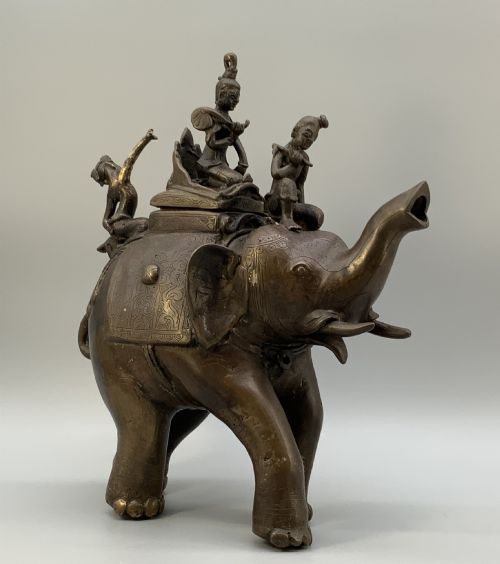
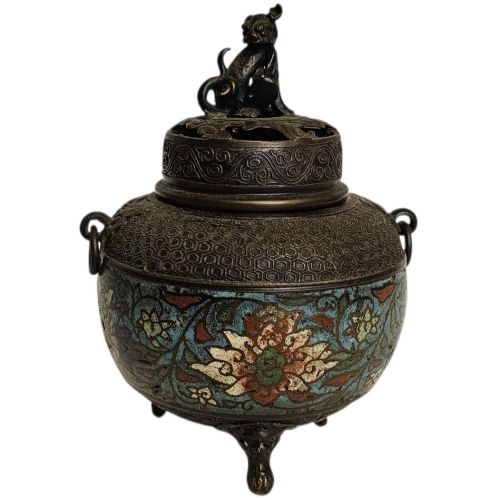
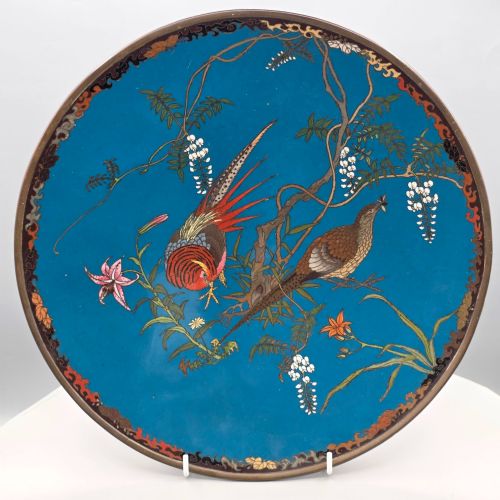
When you search for asian antique metalwork, you encounter a selection of vessels and decorative items spanning multiple centuries and traditions. The offerings on this page focus heavily on Chinese and Japanese pieces, ranging from heavy bronze censers to large cloisonne enamel chargers.
The objects take familiar forms such as vases, urns, and incense burners created for scholar's studios and formal display. Chronologically, the pieces bridge the seventeenth century through to the late nineteenth century during the Meiji period and Qing dynasty.
Vessels from the seventeenth century often favour archaic forms and heavy scholar's weight, while later nineteenth-century items showcase intricate surface decoration and patination. Whether looking at a bronze koro or a wide charger, each piece reflects the specific metalworking traditions of its origin.
Materials and construction
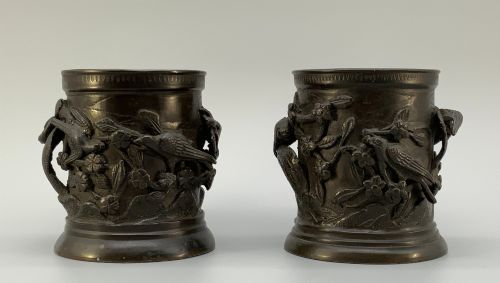
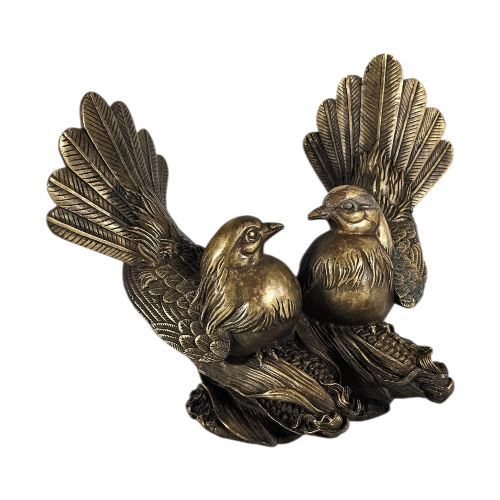
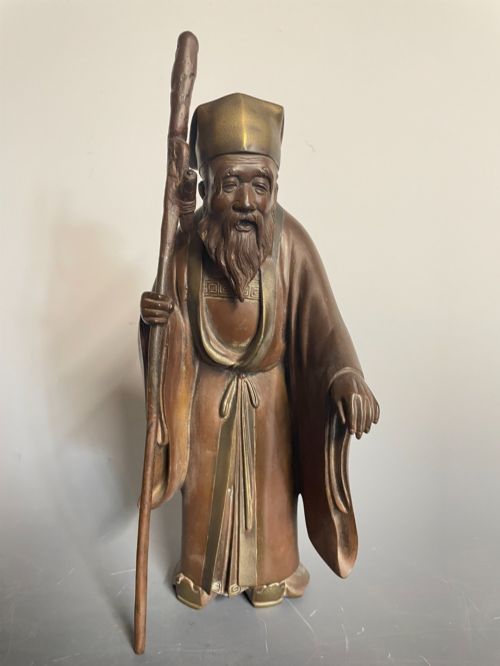
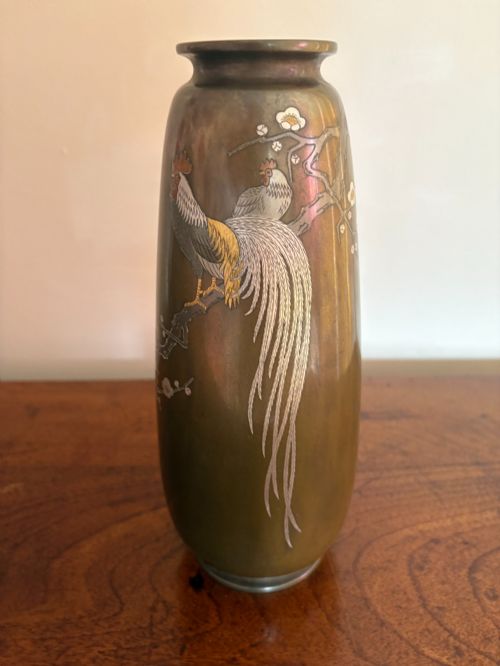
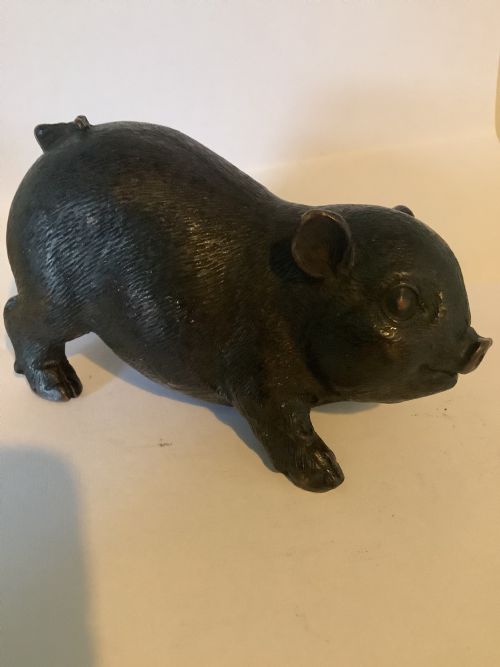
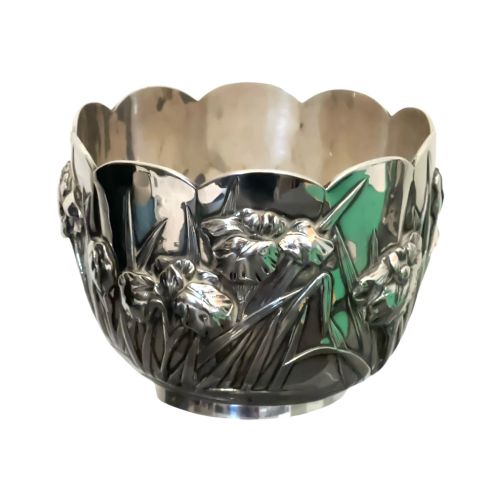
The items are constructed from various metals and alloys, prominently featuring bronze, brass, copper, and silver. Bronze appears in patinated and parcel-gilt variants, often combined with gold inlay to accentuate surface details.
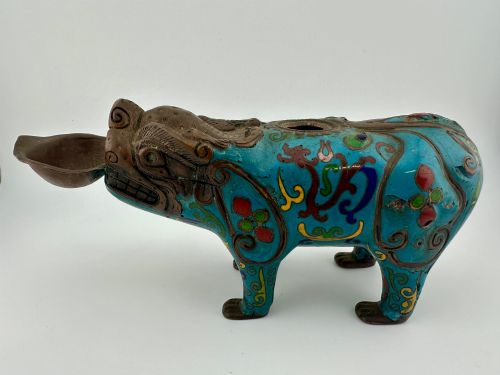
Enamel work appears on large copper-based chargers, fused to the metal surface to create colourful pictorial designs. Casting techniques produced substantial objects with significant heft, such as heavy scholar's censers and large ceremonial urns.
Retail Price Guide 2026
Typical UK retail prices for asian metalwork, calculated from the Sellingantiques database of over a million retail prices indexed since 2003. This retail price guide relies exclusively on Sellingantiques data; no external sources or auction records are used, so the figures do not describe the wider market.
Markers of distinction
Quality in these pieces rests upon the precision of the casting and the depth of the patination. Heavy, substantial weights and crisp architectural lines separate the finer scholar's vessels from standard decorative wares.
Surface embellishment further distinguishes the range, particularly where silver and gold inlay are integrated smoothly into the metal ground. In enamelled works, the evenness of the vitreous paste and the clarity of the wirework define the upper tier of production.
The Asian Metalwork Glossary
- Censer
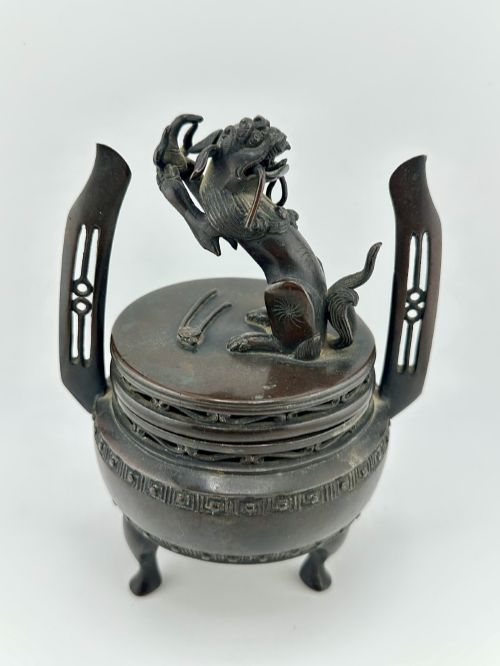
- A vessel designed for burning incense during ritual or domestic use. These often feature pierced covers to allow smoke to escape.
- Koro
- A traditional Japanese incense burner, typically fitted with a lid and supported on legs. They are frequently cast in bronze and detailed with precious metals.
- Patinated Bronze
- Bronze that has been treated chemically or thermally to produce a specific surface colour and tone. This ageing process enhances the visual texture of the metal.
- Cloisonne Enamel
- A technique where enamel paste is applied within compartments formed by soldered metal wires on a base. The piece is then fired and polished smooth.
- Parcel-Gilt
- A method where only specific portions of a metal object are gilded with gold leaf. This technique highlights particular decorative motifs against a darker metal background.
Frequently Asked Questions
What is asian antique metalwork?
Asian antique metalwork encompasses cast and worked objects from regions including China and Japan. These items range from ritual vessels and censers to large decorative vases and chargers.
Materials commonly include bronze, brass, copper, and silver, often enhanced with enamel or gold inlay. The pieces span several centuries, reflecting changing aesthetic preferences across dynasties and eras.
How do I date a bronze censer?
Dating a bronze censer involves examining its form, weight, and the character of its patination. Seventeenth-century examples often display archaic styles and heavy proportions suited to scholar's desks.
Later nineteenth-century pieces frequently incorporate more ornate surface treatments and specific regional signatures. Comparing the casting method and alloy composition helps clarify the period of origin.
How were Japanese bronze vases used?
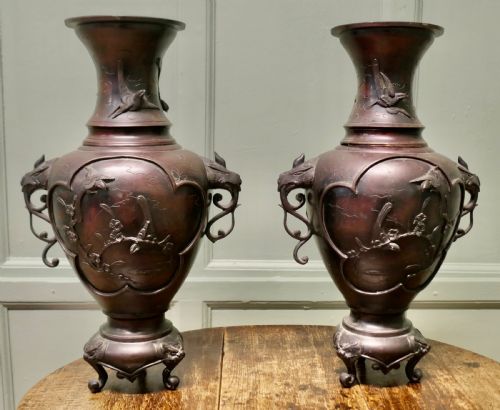
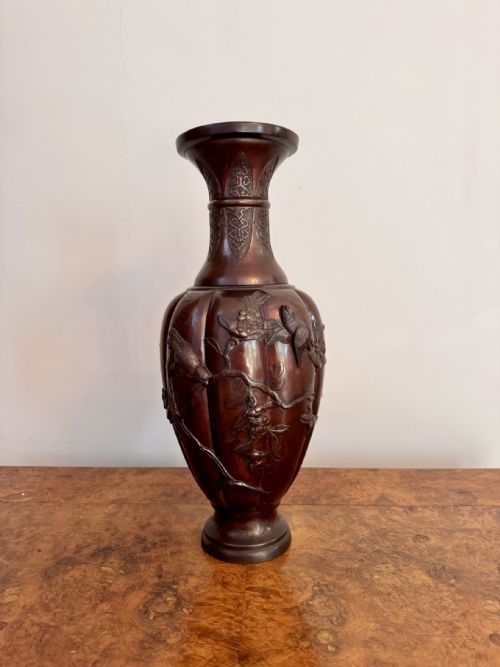
Japanese bronze vases served primarily as decorative ornaments within traditional interiors and tokonoma display alcoves. They were designed to hold floral arrangements or simply to be admired for their sculptural form.
During the Meiji period, many such vases were produced both for domestic appreciation and export. Their substantial construction allowed them to function as stable focal points in a room.
What is cloisonne enamel?
Cloisonne enamel is a decorative metalwork technique involving thin metal wires soldered to a base to create compartments. These cells are filled with coloured enamel paste and fired in a kiln.
Once cooled, the surface is ground and polished to a smooth finish, revealing a detailed pattern. This technique was frequently utilised on large copper chargers and vessels.