
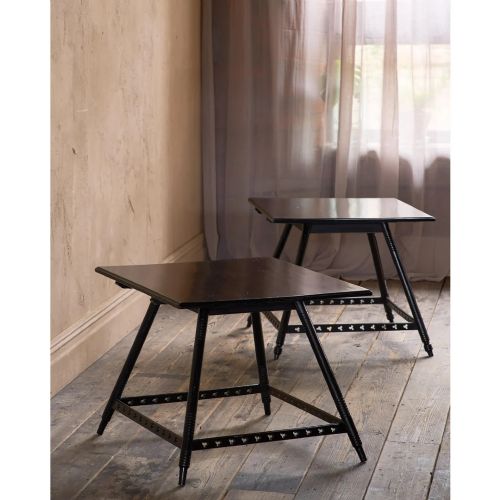

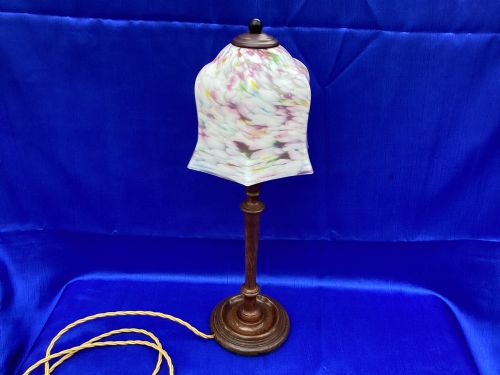
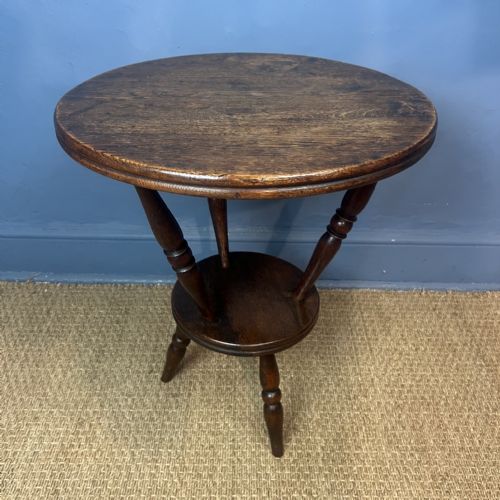
Arts and Crafts Accent Table
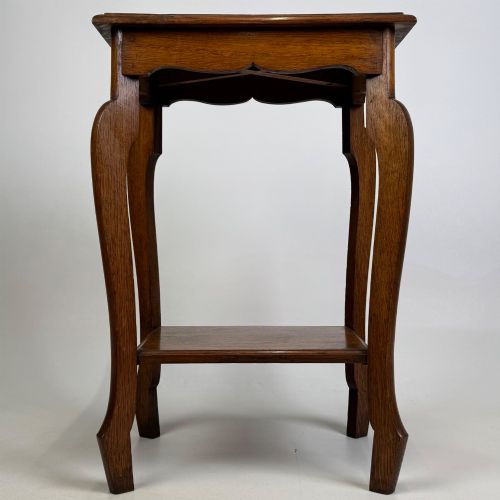
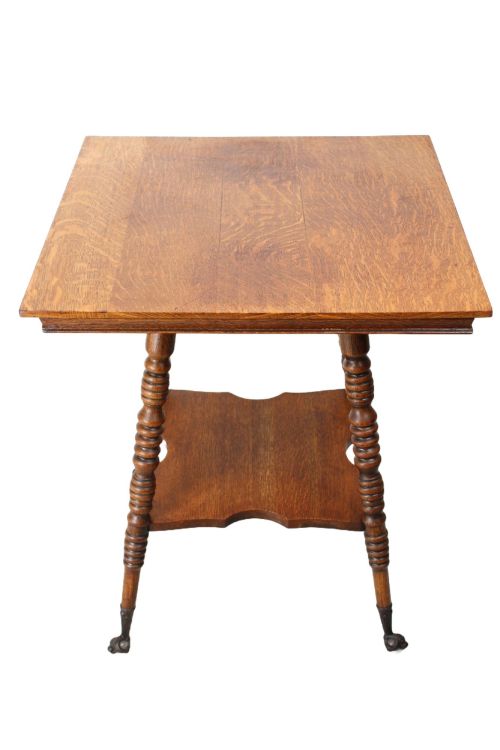
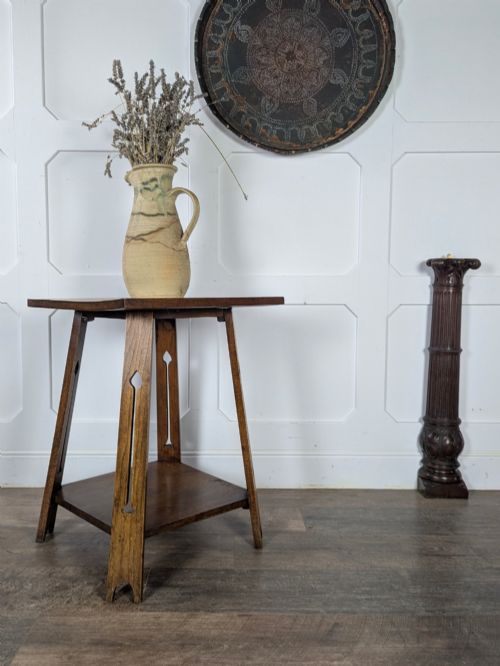
An arts and crafts accent table brings honest timber and simple geometry into a room, offering a sturdy surface for lamps and books.
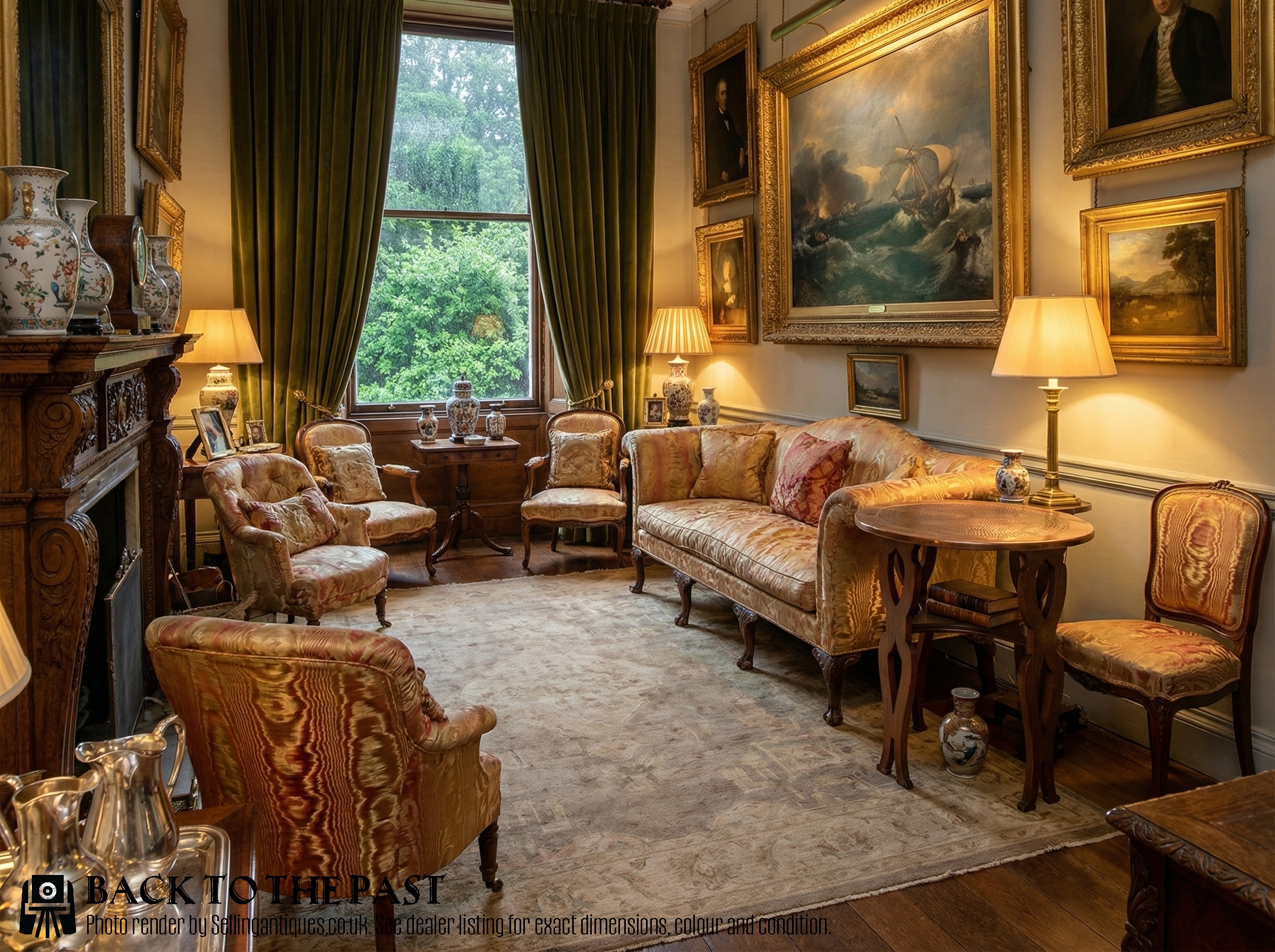
Arts and Crafts Accent Table
When you search for an arts and crafts accent table, you encounter compact side pieces, occasional surfaces, and plant stands produced across the late nineteenth and early twentieth centuries. These forms reflect the shift towards utility and straightforward construction championed by the movement, moving away from heavy Victorian ornamentation.
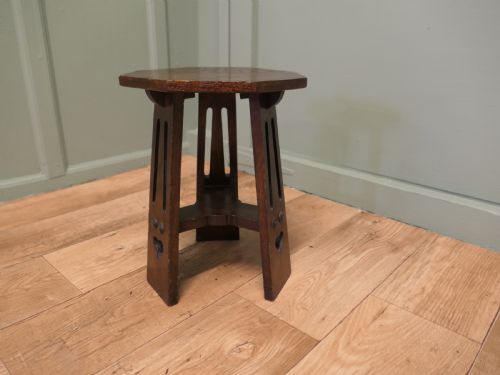
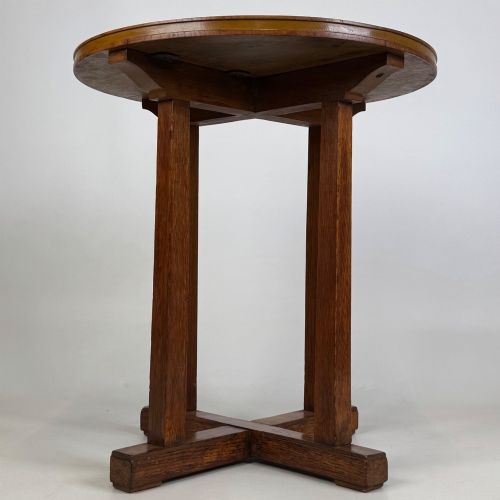
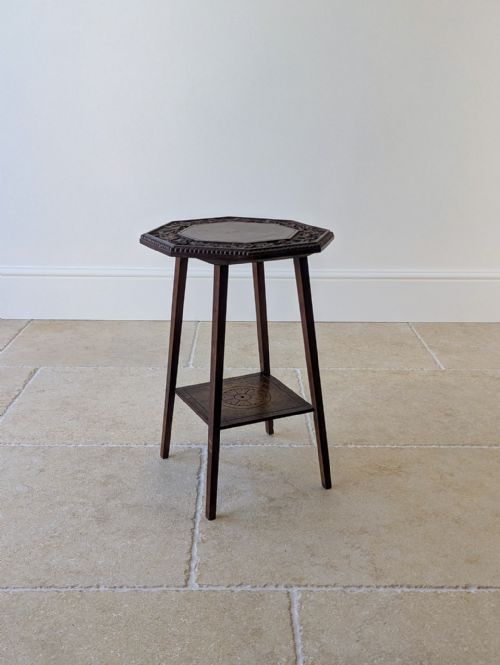
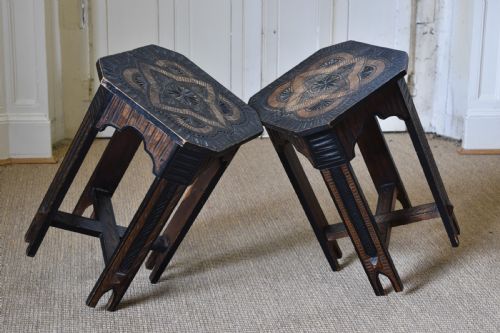
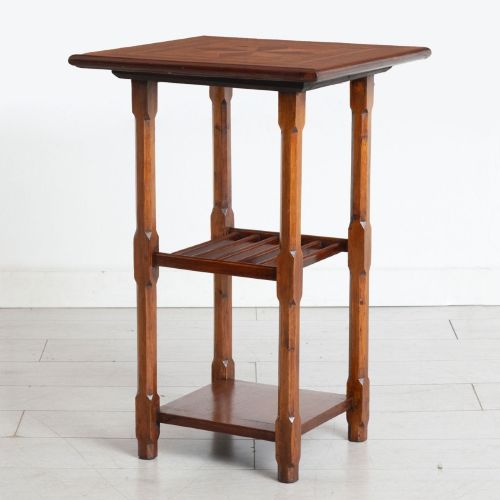
The pieces appearing on this page span the Victorian era, the Edwardian period, and into the nineteen-twenties and thirties, drawing on stylistic influences such as Art Nouveau, the Aesthetic Movement, and the Glasgow School. Octagonal tops, two-tier formats, and circular cricket tables dominate the selections available to collectors today.
Makers and retailers like Liberty and Co., Shapland and Petter, and William Birch produced many of the notable examples seen here, often pairing utilitarian forms with subtle decorative details. Oak serves as the primary timber, though walnut, mahogany, and beech also appear in various regional and workshop productions.
Materials and Construction
Solid oak provides the structural foundation for the majority of these tables, complemented by walnut, mahogany, and occasionally ebonised hardwoods. Carpenters utilised mortise and tenon joinery to ensure durability, prioritising visible wooden construction over hidden fasteners.
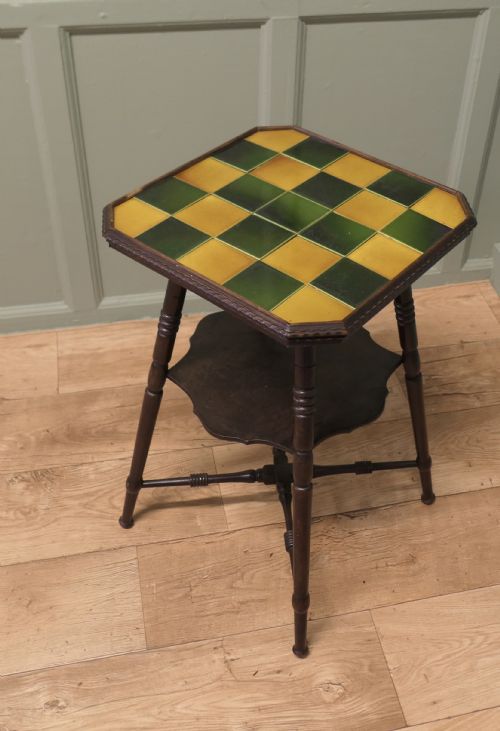
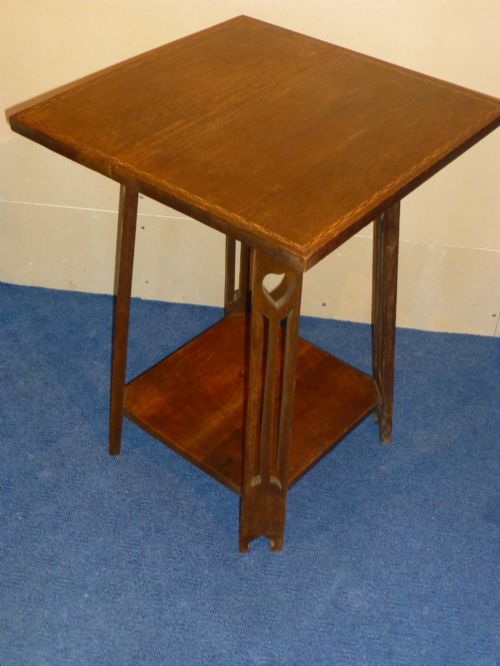
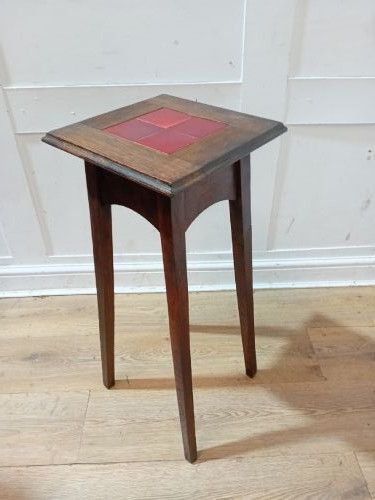
Decorative elements involve ceramic tiles inset into wooden tops, brass fittings, chequered inlay, and chip carving executed by hand. Surfaces often display patinated finishes, limed treatments, or simple wax polishes that highlight the natural grain of the timber.
Some tables double as plant stands, ready to host an overgrown fern that has finally outgrown the windowsill.
Quality and Distinction
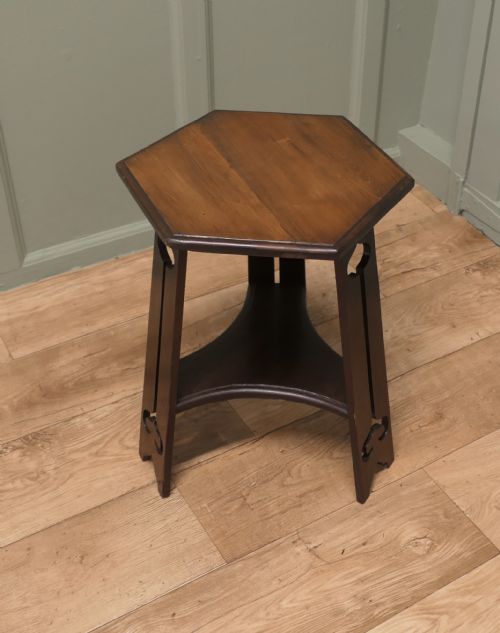
The distinction between standard workshop output and exceptional pieces lies in the crispness of the hand-carved details and the selection of figured timber. Tables featuring integrated ceramic tile tops or distinct architectural forms like hexagonal and octagonal shapes demonstrate greater ambition from the maker.
Attribution to documented makers or retailers elevates a piece, particularly when combined with original brass hardware and untouched patinated surfaces. The integrity of the structural joints and the retention of the original finish determine the long-term desirability of each table.
Shapland and Petter·Liberty and Co·William Birch·Baillie Scott·Dryad Leicester
The Arts and Crafts Accent Table Glossary
- Cricket table
- A small, usually three-legged circular table dating from earlier traditions but reinterpreted during the movement. It provides a stable surface on uneven floors due to its tripod base.
- Jardiniere stand
- A tall, slender table designed specifically to hold plants or floral arrangements. These pieces frequently feature tiled surfaces to protect the wood from water.
- Occasional table
- A versatile, small-scale movable table intended for specific, temporary uses around a room. They appear in square, round, and multi-sided formats.
- Chequered inlay
- A decorative technique involving small alternating squares of contrasting light and dark woods set flush into the surface. It adds geometric visual interest to plain timber tops.
- Glasgow School
- A loose collective of artists and designers active in Scotland who developed a distinct linear and symbolic vocabulary. Their furniture often exhibits tall proportions and restrained ornamentation.
Arts and Crafts Accent Table: Frequently Asked Questions
What is an arts and crafts accent table?
An arts and crafts accent table is a small functional wooden surface designed during the late nineteenth or early twentieth century. These pieces emphasise honest construction, visible joinery, and natural materials over heavy factory-made ornamentation.
They typically take the form of side tables, occasional tables, or plant stands. Their compact proportions make them suitable for placing beside seating or in corners to hold lamps and decorative objects.
Where were these tables made?
These tables were produced across British workshops, specialised furniture makers, and larger commercial retailers. Prominent firms like Liberty and Co. commissioned pieces from craftsmen such as William Birch, while regional makers in places like Leicester and Glasgow developed their own local styles.
Makers utilised accessible regional timbers, predominantly oak and walnut, incorporating hand-carved details or ceramic tiles into the designs.
How do I care for an antique oak table?
Maintain antique oak by keeping it away from direct heat sources and strong sunlight, which can dry out the timber and fade the finish. Apply a quality natural beeswax periodically to nourish the wood and protect the surface.
Avoid using modern silicone-based polishes or excessive water when cleaning. A soft, dry cloth is sufficient for removing dust and preserving the original patina.