



Art Deco Vanity Table
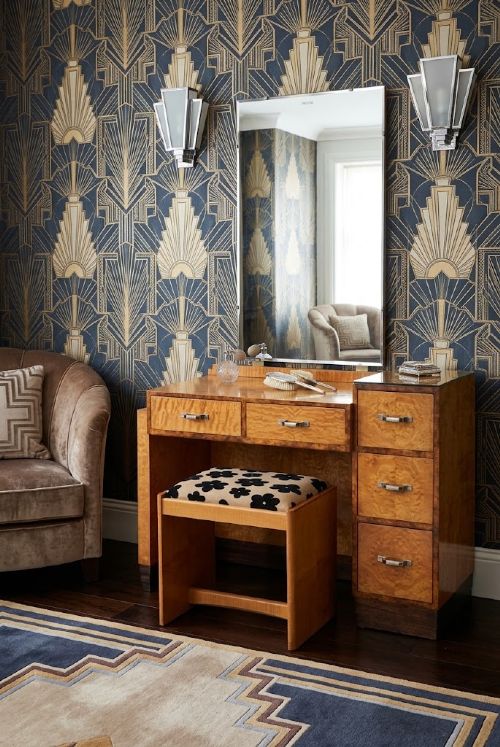
An art deco vanity table brings geometric rhythm and sleek lines straight into a bedroom.
Art Deco Vanity Table
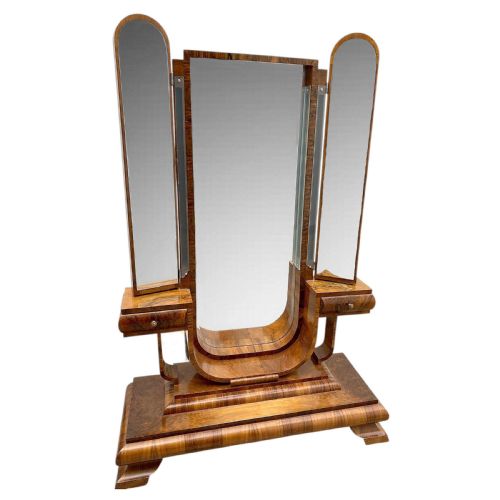
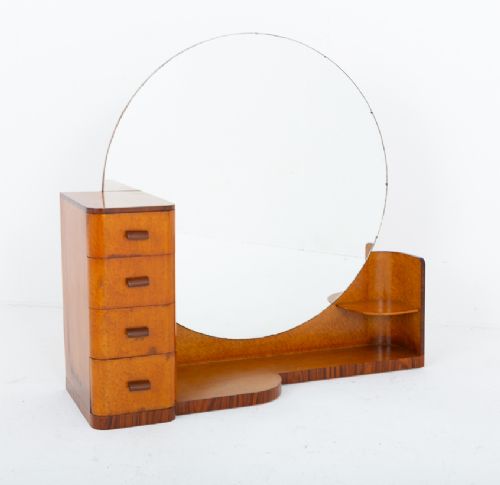
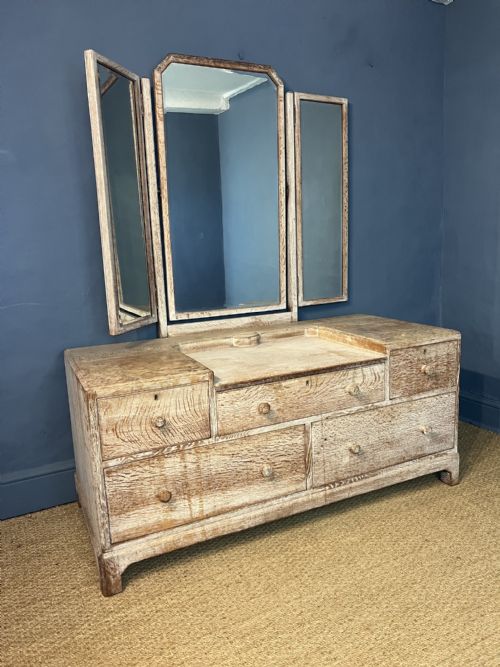
An art deco vanity table is a dedicated piece of bedroom furniture designed for grooming, often paired with a circular or rectangular mirror and matching stool. These pieces span the early twentieth century, with the majority originating from the nineteen-thirties.
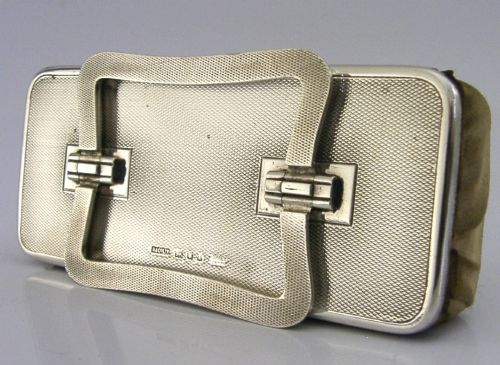
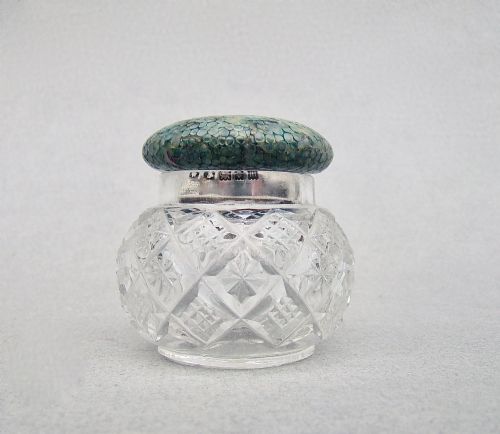
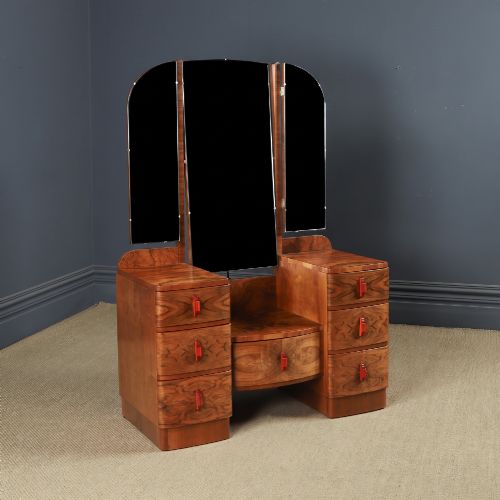
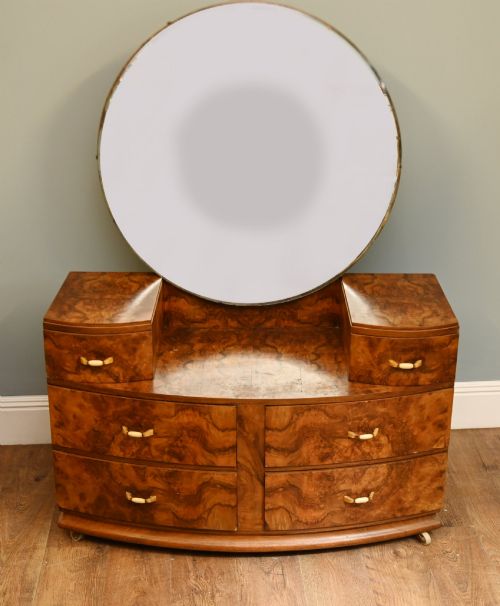
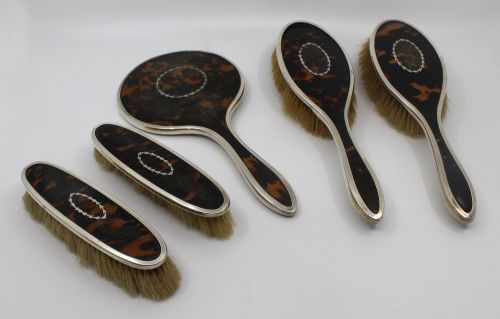
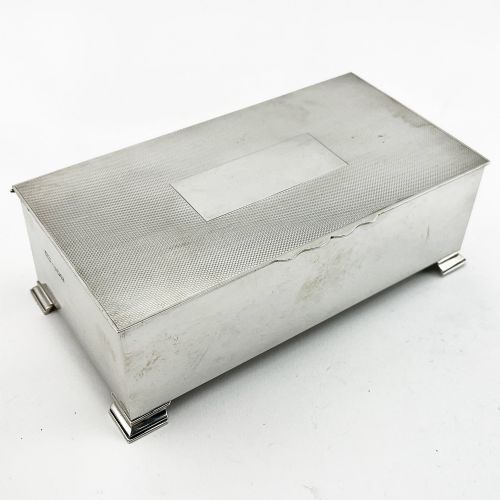
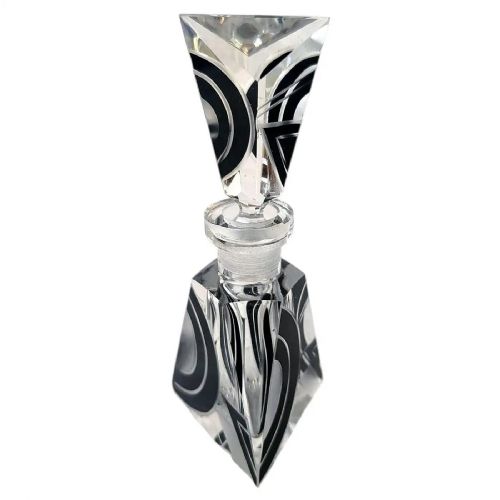
The most common version met on this page is the pedestal dressing table constructed from figured or burr walnut, sometimes accompanied by smaller dressing accessories like perfume bottles, jars and powder boxes.
Materials and Construction
Cabinet makers utilised exotic and domestic timbers such as burr walnut, birdseye maple, pale mahogany, sycamore and limed oak to create striking grain patterns across flat and curved surfaces. Veneers were carefully matched to produce symmetrical designs that defined the geometric aesthetic.
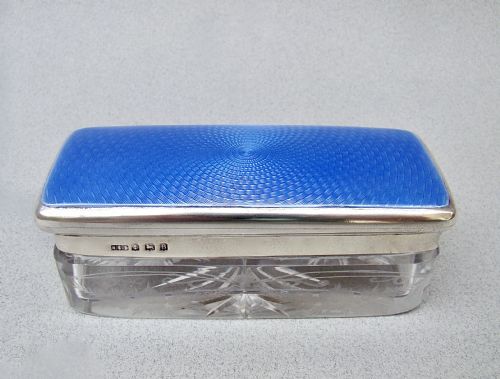
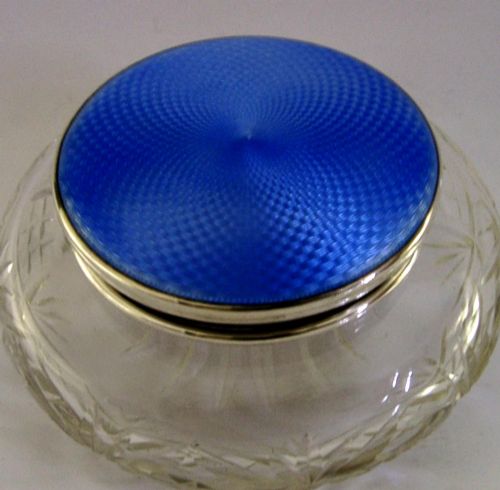
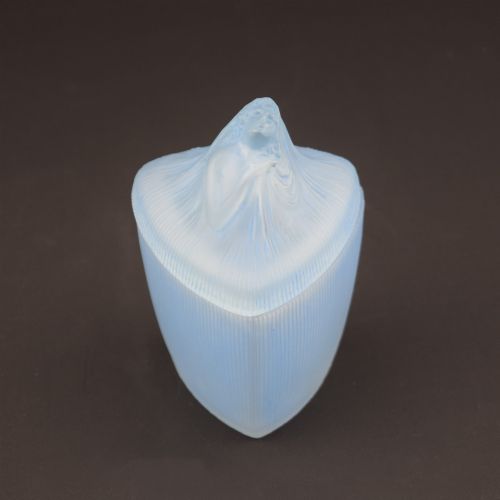
Detailing often incorporated contrasting elements of glass, metal, brass, leather, sterling silver and colourful guilloche enamel. Perfume bottles and jars combined cut glass with precious metals to complete the coordinated suite.
Art Deco Vanity Table Retail Price Guide 2026
Typical asking prices for art deco vanity table among the pieces listed under this phrase on Sellingantiques today, from the lower quarter to the upper quarter. They describe what is for sale here now, not the wider market.
Some dressing sets included miniature purse mirrors and crystal powder boxes designed for delicate ladies' hands.
Judging Quality
Quality rests upon the ambition of the timber selection and the precision of the veneer matching across drawers and pedestals. Pieces featuring highly figured burr walnut or birdseye maple sit at the upper end of the scale.
The integration of original matching mirrors, hardware and associated dressing items elevates a piece significantly. Design attribution to known workshops also separates standard production from exceptional examples.
Henry Clifford Davis·Mappin & Webb·Rene Lalique·Frank Taylor & Co·Henry Williamson·Karl Palda·Henry Perkins·Heals·Maurice Adams·Harry and Lou Epstein
The Art Deco Vanity Table Glossary
- Guilloche enamel
- Enamel decorated with intricate engine-turned geometric patterns beneath a translucent coloured layer. It appears frequently on silver dressing table jars and compacts.
- Burr walnut
- A highly prized timber grain showing swirling knot formations. Cabinet makers used veneers of this wood to create decorative fronts on dressing tables.
- Pedestal dressing table
- A vanity form featuring two banks of drawers supporting the main writing or dressing surface. A central kneehole typically sits between the pedestals.
- Limed oak
- Timber treated with a white pigment finish to highlight the open grain. This technique was favoured by modernist designers of the period.
Art Deco Vanity Table: Frequently Asked Questions
What is an art deco vanity table?
An art deco vanity table is a specialised dressing piece created during the interwar decades, characterised by clean geometric forms and polished wood veneers.
They frequently include integrated mirrors and drawers designed to hold cosmetics, brushes and jewellery.
How do I identify a dressing table period?
Period identification relies on observing timber choices, hardware design and structural silhouettes.
Tables from the nineteen-thirties often showcase blond woods like maple or rich burr walnut with streamlined curves.
Were stools included with dressing tables?
Stools were routinely produced as part of matching bedroom suites alongside the main dressing table.
They typically featured upholstered leather or fabric tops supported by wooden frames matching the primary timber.
What materials were used on vanity tables?
Carpentry relied heavily on decorative wood veneers laid over solid secondary frames, accented with polished chrome, brass or mirrored glass.
Smaller vanity accessories introduced sterling silver, cut glass and coloured enamel.