
Art Deco Table Light
These art deco table light pieces bring clean lines and striking materials straight from the interwar years into modern rooms.

What an art deco table light is
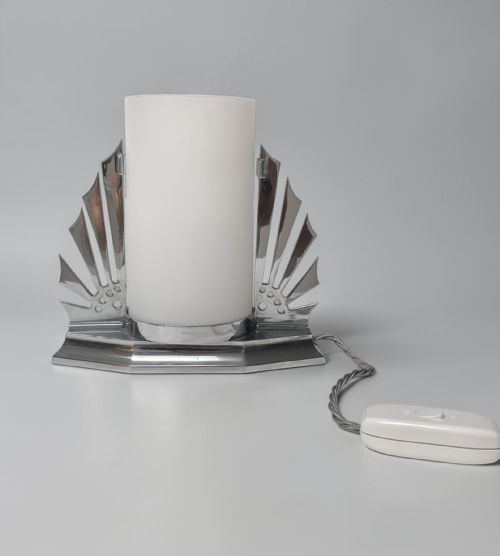
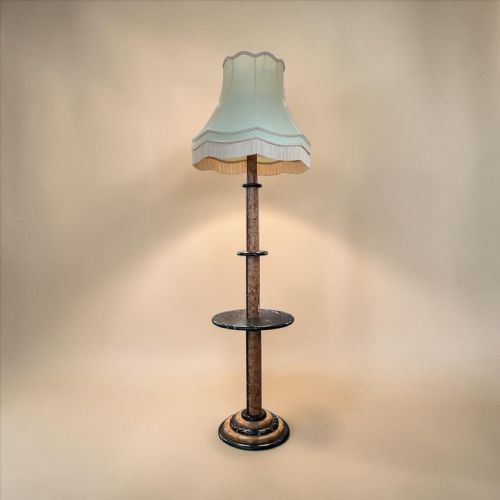
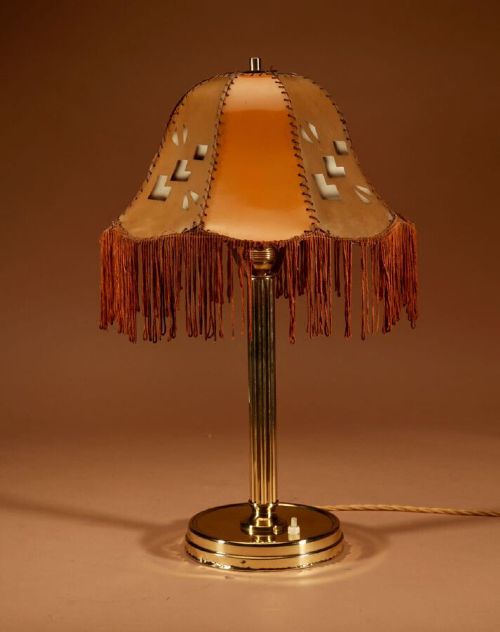
An art deco table light sits on desks and side tables, providing direct or ambient illumination through geometric forms and sculptural bases. The selection centres heavily on the nineteen-thirty decade, capturing the industrial momentum and streamlined aesthetics of the period.
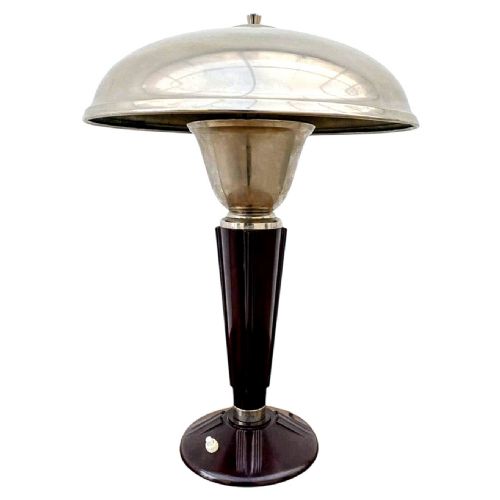
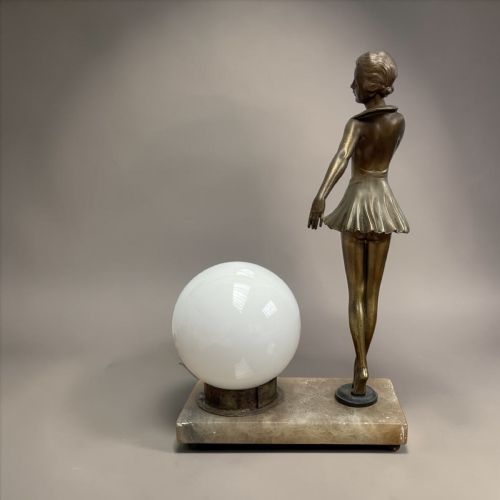
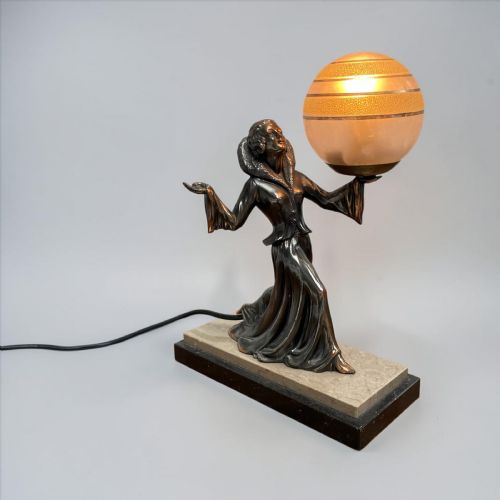
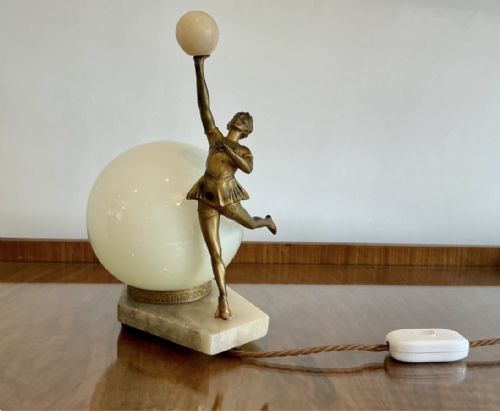
Most examples take the form of table lamps, desk lamps, and uplighters designed to cast light upwards or across a workspace. Common variations include figural sculptures, architectural shapes like boats and lighthouses, and practical task lights with adjustable arms.
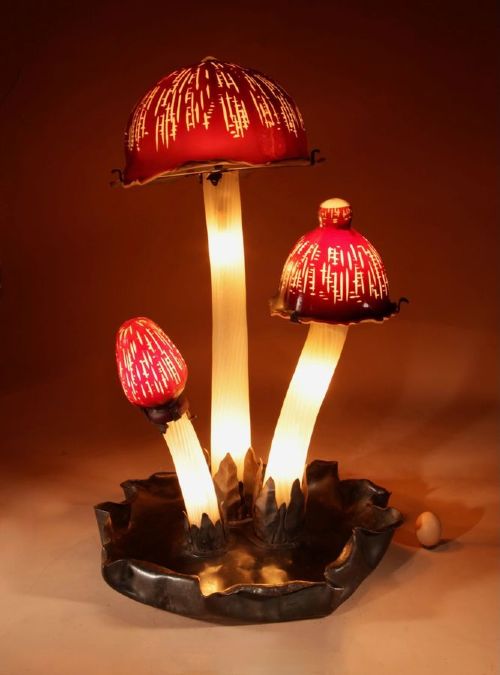
Origins span British and continental workshops, with significant representation from French designers and Italian glasshouses. Buyers encounter pieces configured for domestic use, ranging from simple metal stems to elaborate combinations of coloured glass and mounted figures.
Materials and construction
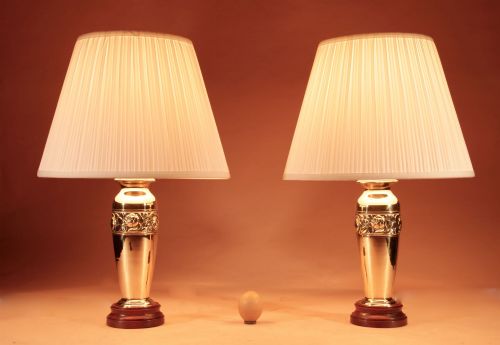
Construction relies on a mix of metals including brass, chrome, and gilt spelter, often paired with heavy stone bases such as onyx. Structural elements utilise the manufacturing methods of the era, combining cast metal components with turned stems and weighted foundations.
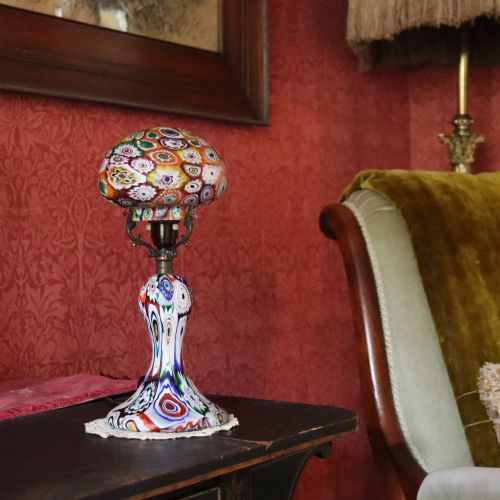
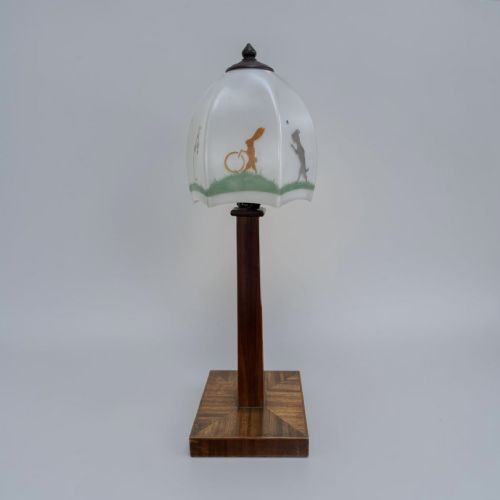
Shades and decorative elements feature glass in several forms, including opaline, frosted finishes, and intricate millefiori glass techniques. Early plastics like bakelite appear alongside organic materials such as leather and shagreen for surface mounting.
Retail Price Guide 2026
Typical UK retail prices for art deco table light, calculated from the Sellingantiques database of over a million retail prices indexed since 2003. This retail price guide relies exclusively on Sellingantiques data; no external sources or auction records are used, so the figures do not describe the wider market.
Some nineteen-thirty models doubled as dry cell battery-operated table lighters, bringing desk-side convenience alongside illumination.
What separates the grades
Quality rests on the integrity of the materials and the sophistication of the casting or glasswork. Superior pieces employ substantial gauges of brass or heavy chrome plating over solid foundations, avoiding lightweight substitutes.
The distinction also lies in the integration of artistic elements, such as finely detailed figural bronzes or hand-blown glass shades, compared to mass-produced utilitarian wiring and simple pressed metal components.
Fratelli Toso·E. Cole·Polaire of Paris·Robj Paris·Ronson·Kaza
The Art Deco Table Light Glossary
- Uplighter
- A lamp designed to direct its illumination upwards towards the ceiling or a feature wall. This style creates soft, indirect ambient light rather than a direct task beam.
- Opaline glass
- A milky, translucent glass often tinted in pale colours and used to diffuse light evenly. It was a popular choice for shades during the interwar period.
- Spelter
- A zinc alloy frequently used as a cost-effective substitute for bronze in decorative figures and lamp bases. It takes plating and gilding well.
- Millefiori
- A glasswork technique involving multi-coloured glass canes sliced to reveal patterns resembling floral mosaics. It appears in decorative Italian lamp bodies.
- Bakelite
- An early synthetic thermosetting plastic prized for its durability and rich, dark finish. It forms handles, switches, and entire lamp bodies in nineteen-thirty designs.
Frequently Asked Questions
What surfaces suit these lamps best?
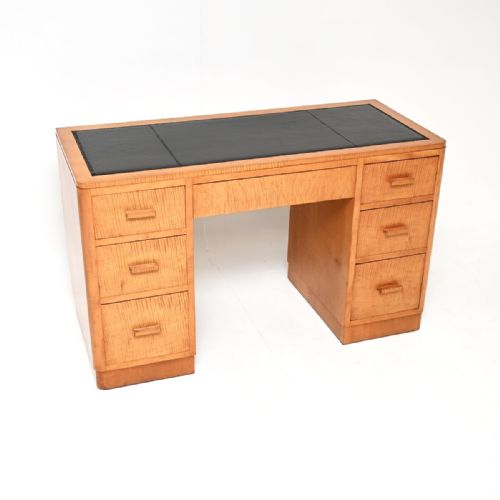
These lamps complement wooden desks, sideboards, and occasional tables where their sculptural bases can stand out.
Their compact footprints make them practical for reading nooks, side tables, and hallway consoles.
How do I identify nineteen-thirty styles?
Look for geometric symmetry, stepped bases, streamlined curves, and motifs inspired by machinery and speed.
Materials like chrome, bakelite, and frosted glass strongly indicate the interwar design vocabulary.
Are replacement glass shades available?
Original glass shades are specific to their makers and periods, making exact matches difficult to source if broken.
Careful handling during cleaning and placement remains essential to preserve fragile opaline and frosted elements.