





Art Deco Silver Caddy
An art deco silver caddy brings geometric rigour and bright metal to the tea table, offering a neat vessel for leaf storage.
Art Deco Silver Caddy
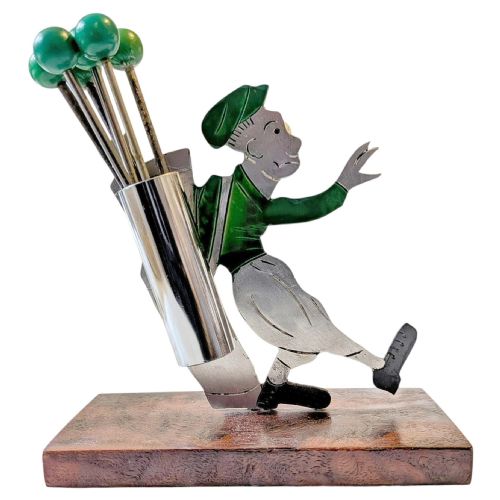
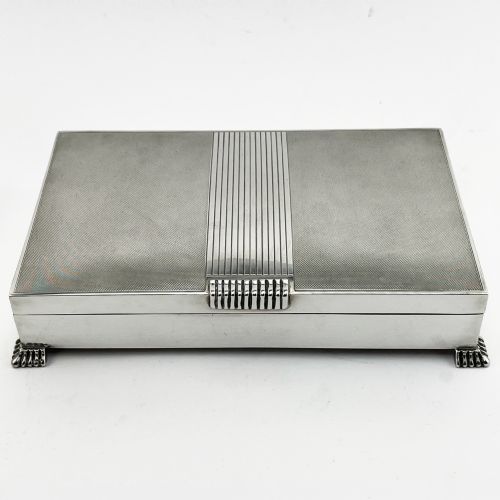
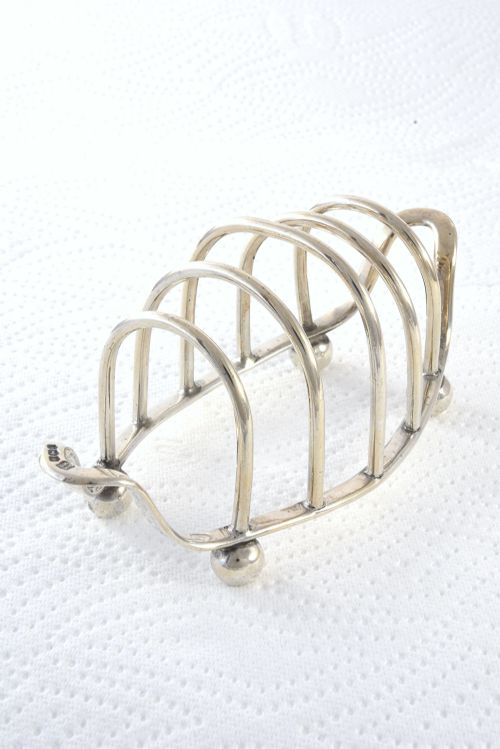
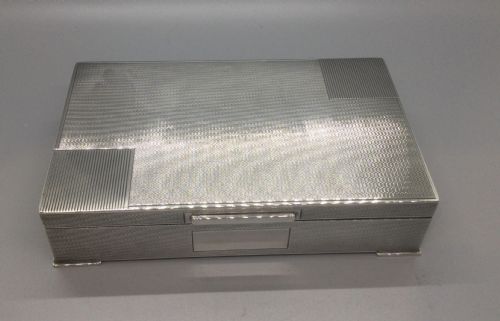
An art deco silver caddy takes several forms across the inventory, appearing as lidded canisters, novelty containers, and dedicated spoons. English and continental makers fashioned these vessels in sterling silver and silver plate during the nineteen-twenties and nineteen-thirties.
Makers utilised clean geometric lines and occasional repousse decoration to shape tea caddies, boxes, and related spoons. Buyers encounter English assay office pieces alongside French and Italian examples from the period.
How they were made
Silversmiths constructed these objects from sterling silver and silver plate, frequently hammering or pressing the metal into angular profiles. Surface decoration relied on clean planes, repousse detailing, and integral spoons.
Makers combined silver with materials such as glass, wood, and enamel to achieve the characteristic modernist finish. Stamped hallmarks on the base indicate the assay town and year of production.
Listings feature sterling silver and silver plate alongside glass, wood, and enamel, spanning the nineteen-twenties through to the nineteen-fifties.
What varies in quality
The standard of an art deco silver caddy rests upon the weight of the metal and the crispness of the geometric stamping. Heavier gauges of sterling silver command greater attention than lighter plated alternatives.
Attribution to a known designer or maker elevates a piece above standard domestic ware. The retention of an integral spoon and clear hallmarks further distinguishes superior examples.
Georg Jensen·Asprey and Co·Synyer and Beddoes·Charles Perry and Co·Christofle Paris·Maison Barra
The Art Deco Silver Caddy Glossary
- Hallmark
- Official marks stamped into precious metal to indicate the maker, standard of purity, and year of assay. These stamps provide the primary evidence for dating an item.
- Repousse
- A metalworking technique where the design is hammered into relief from the reverse side. This method creates tactile surface patterns on tea caddies and boxes.
- Sterling silver
- An alloy of silver containing ninety-two point five percent silver and seven point five percent other metals, usually copper. It represents the standard for quality British tableware.
- Silver plate
- A layer of silver fused to a base metal core, such as copper or nickel. This technique offered a more accessible option for decorative vessels.
- Canister
- A small box or jar designed for storing dry goods like tea. Many examples feature tight-fitting lids to preserve the contents.
Art Deco Silver Caddy: Frequently Asked Questions
How do I clean an old silver caddy?
Clean sterling silver with a soft cloth and a dedicated silver polish to remove tarnish without scratching the surface. Avoid harsh chemical dips that strip the natural patina accumulated over decades.
Take care around engraved or repousse details where polish can lodge and dry. Rinse gently with warm water and dry thoroughly with a soft lint-free cloth.
Are all these caddies made of solid silver?
The inventory includes items in both sterling silver and silver plate, alongside pieces incorporating wood, glass, and enamel. Hallmarks usually stamp the base or interior rim to confirm solid silver.
Silver plated items show a base metal underneath if the surface layer wears thin through extensive use. Check the listing details and maker marks to confirm the exact material composition.
Did people use these caddies for tea?
Tea caddies served to store loose tea leaves securely away from moisture and light in domestic settings. Many were supplied with integral spoons or paired with matching caddy spoons for measuring.
Some novelty examples and boxes held tobacco or trinkets rather than tea, reflecting the diverse manufacturing output of the period.
How can I tell the date of a silver caddy?
British pieces carry assay office marks and date letters that pinpoint the exact year of manufacture. London, Birmingham, and Chester hallmarks provide a reliable chronological guide.
Continental and unmarked pieces rely on stylistic indicators, maker signatures, and period materials to narrow down the decade of production.