


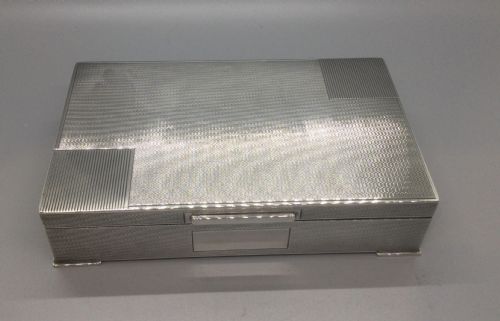


Art Deco Keepsake Box
An art deco keepsake box offers a clever hiding place for small treasures, shaped by the geometric lines and luxurious materials of the interwar years.
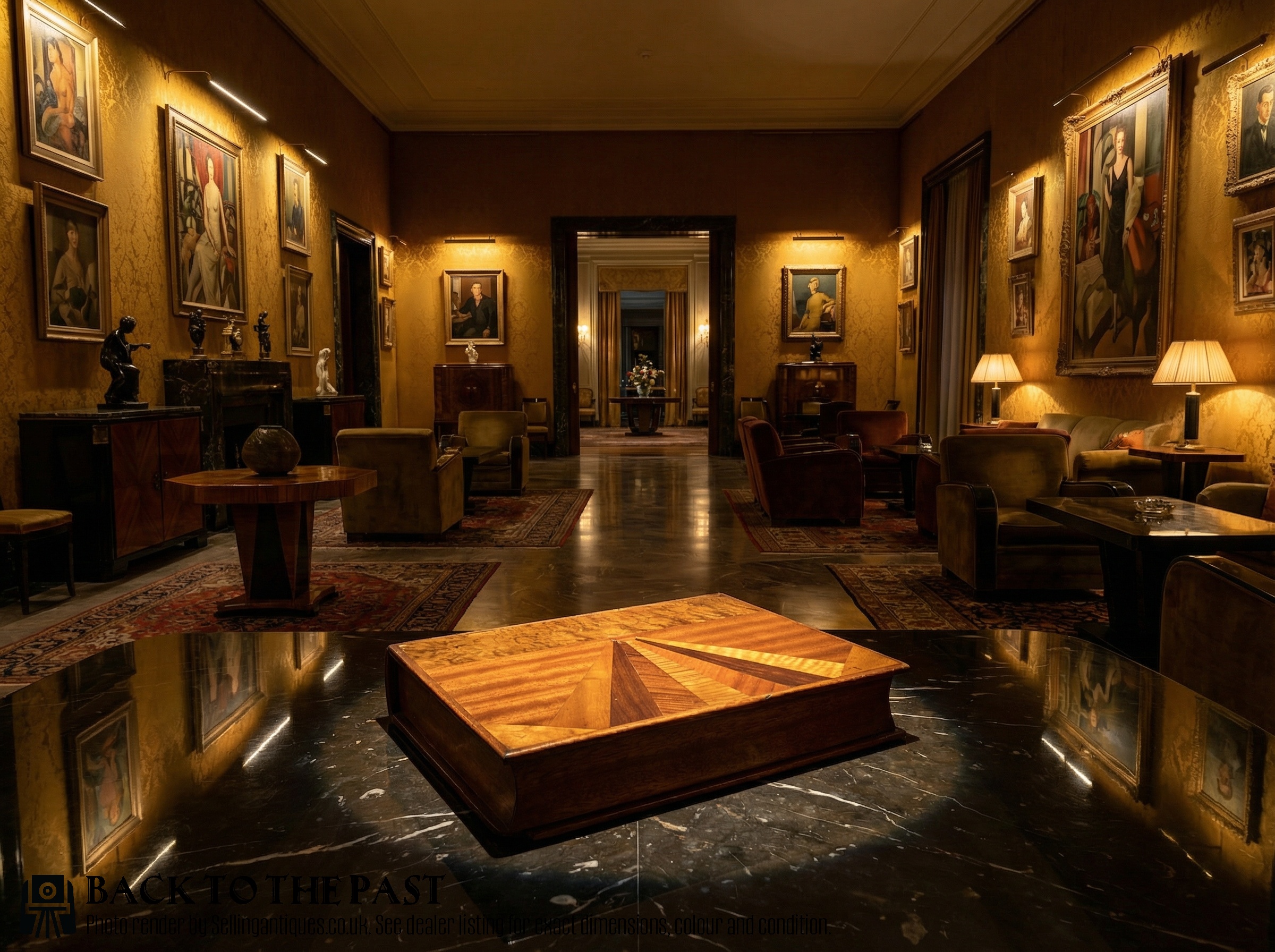
Art Deco Keepsake Box
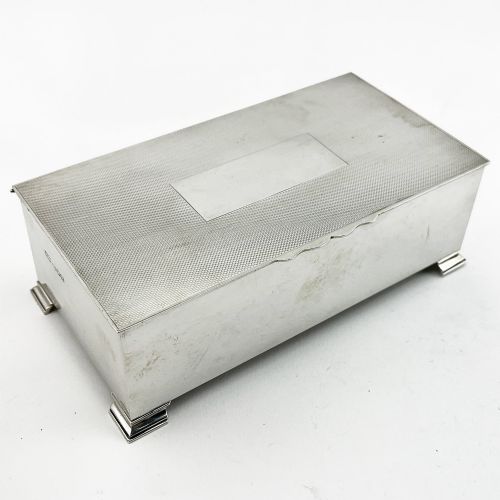
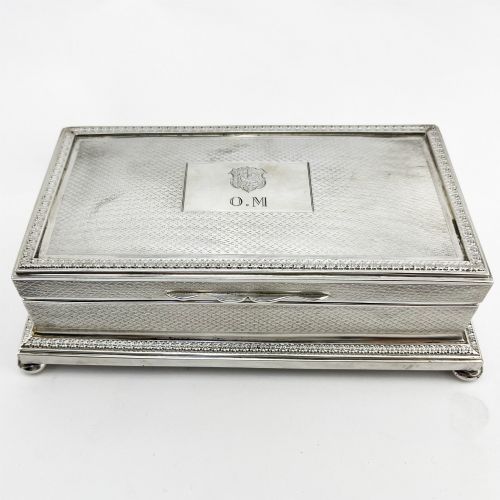
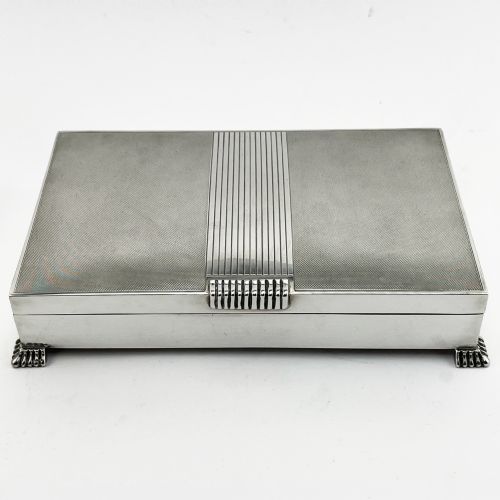
An art deco keepsake box spans utilitarian forms designed to hold cigarettes, cigars, jewellery, and small trinkets. You will most frequently encounter sterling silver examples alongside pieces fashioned from walnut, mahogany, leather, and shagreen.
The objects date predominantly from the 1920s and 1930s, reflecting the modernist shift away from heavy Victorian ornamentation towards clean architectural silhouettes. Many take simple rectangular shapes, though novelty forms and book designs also appear.
Makers utilised contrasting materials like bone, brass, white onyx, and malachite to create striking visual effects on the lid and body. These pieces functioned as practical desk accessories and dressing table ornaments in period interiors.
How they were made
Silversmiths constructed solid silver bodies using traditional hammering and soldering techniques, often incorporating wooden linings to protect the contents. Cabinetmakers veneered carcasses in exotic timbers like walnut and satinwood, applying geometric sunray marquetry.
Exotic skins including crocodile and shagreen were meticulously stretched and glued over wooden foundations, complemented by bone, brass, or lapis lazuli trim. Ebonised finishes and Austrian bronze casting further expanded the repertoire of textures available to the period craftsman.
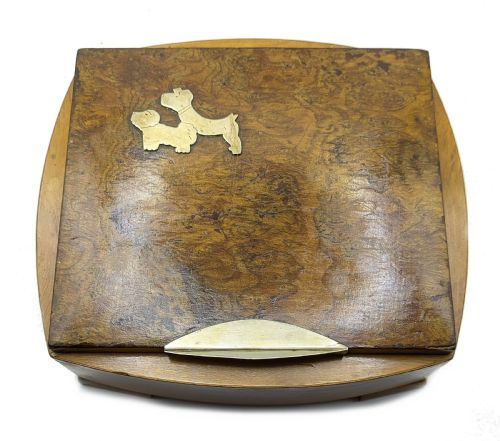
A mischievous Scottie dog sits ready to hold your cigarettes, proving that interwar designers loved a touch of canine charm.
What varies in quality
The distinction between standard production and exceptional work rests on the precision of the marquetry and the weight of the metal. Heavier gauge sterling silver and intricate stone inlay demand superior skill from the workshop.
Design ambition separates basic containers from sculptural pieces by notable designers or firms. The integration of unusual materials like rose Quartz, malachite, or genuine shagreen elevates a piece beyond standard utilitarian manufacture.
Mappin And Webb·Sigvard Bernadotte·Georg Jensen
The Art Deco Keepsake Box Glossary
- Shagreen
- Untanned skin from sharks or rays, prized for its pebbled texture and dyed in vibrant shades like green during the interwar period. It provides a distinctive tactile surface on luxury boxes.
- Marquetry
- The art of applying pieces of veneer to a structural structure to form decorative patterns. Sunray motifs are particularly characteristic of the geometric aesthetic.
- Sterling silver
- An alloy of silver containing ninety-two point five percent by mass of silver and seven point five percent of other metals. It forms the primary metal for durable tabletop boxes.
- Caddy
- A small container or box originally used for storing tea leaves. In this period, the form was adapted into decorative receptacles for general keepsakes.
Art Deco Keepsake Box: Frequently Asked Questions
What were art deco keepsake boxes used for originally?
These containers served multiple domestic purposes, holding cigarettes, cigars, loose trinkets, and precious jewellery on dressing tables and desks. Wealthy households kept them in prominent rooms to display refined taste.
Their practical compartments kept small valuables organised and protected from dust. Many featured specific internal fittings tailored for cigarettes or writing implements.
How do I care for a shagreen or leather box?
Keep these sensitive surfaces away from direct sunlight and excessive moisture to prevent the natural skin from drying and cracking. Dust them gently with a dry, soft cloth.
Avoid using modern chemical cleaners or polishes that can strip the original dyed finish from the hide.
How can I tell a 1920s box from a later replica?
Examine the construction methods, interior linings, and hallmarks where applicable. Period pieces display genuine wear consistent with age and traditional joinery techniques.
Materials like genuine shagreen, heavy sterling silver, and old brass fittings provide strong indicators of period authenticity.
Are these boxes suitable for daily use?
Solid silver and robust wooden boxes withstand careful everyday handling quite well. They function effectively for storing modern trinkets and small personal items.
Fragile surfaces like white onyx, malachite, or delicate shagreen require a gentler touch to preserve their historical integrity.