




Vintage Wooden Tea Chest
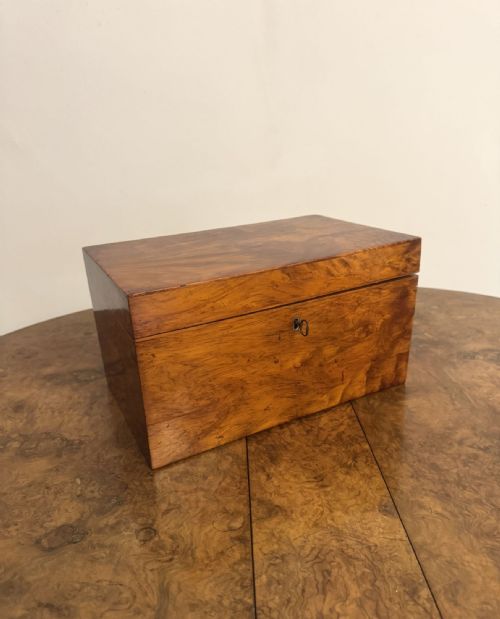
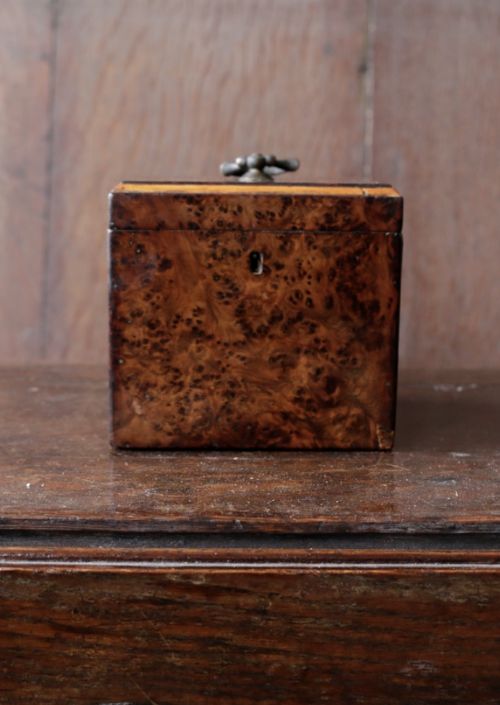
A vintage wooden tea chest serves dry leaf securely, bringing rich mahogany, walnut and rosewood grains alongside traditional brass fittings into domestic spaces.
Vintage Wooden Tea Chest
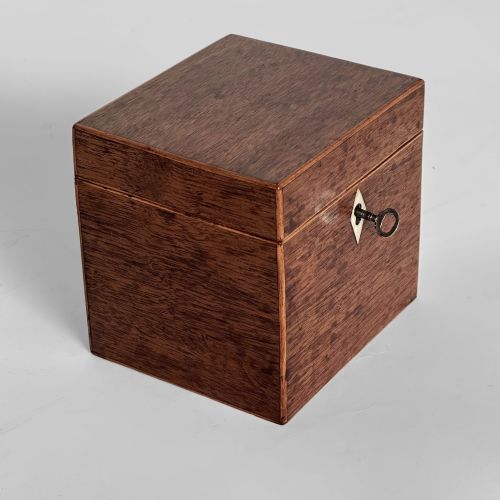
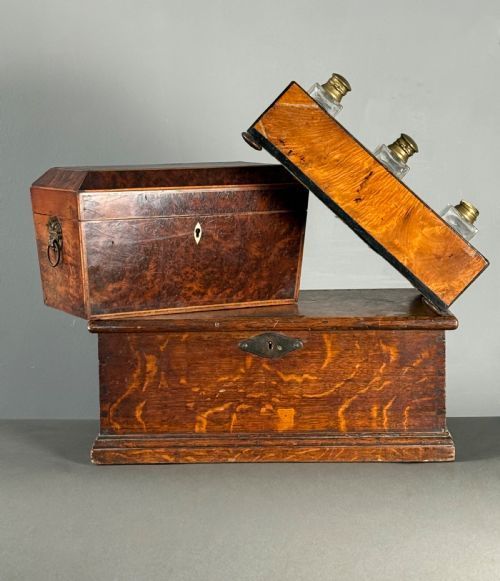
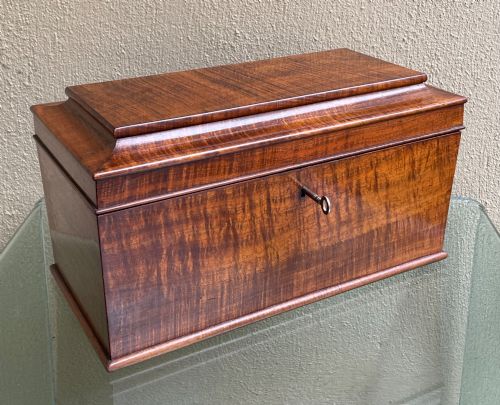
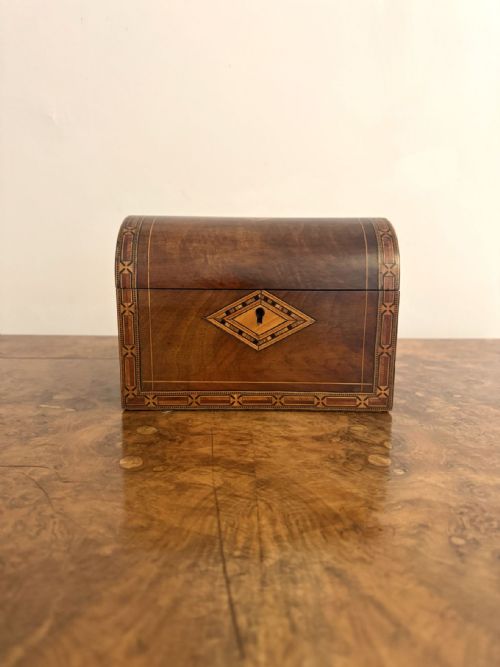
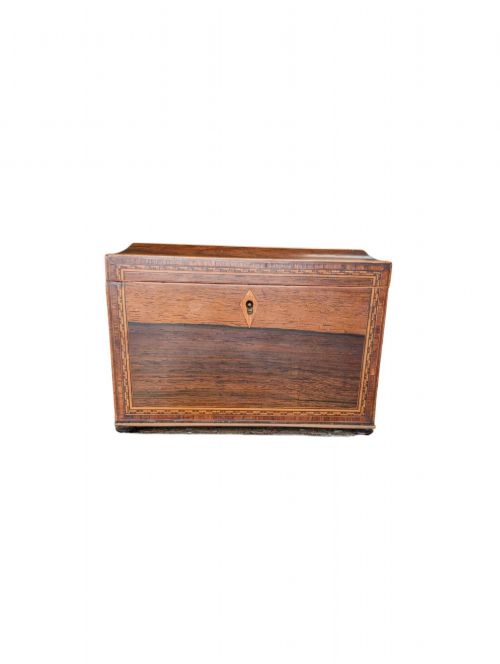
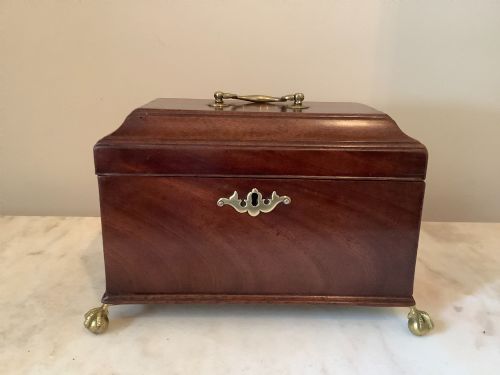
A vintage wooden tea chest encompasses small lidded caddies and storage boxes designed primarily during the Georgian, Regency and Victorian periods. These pieces take various forms, from simple rectangular mahogany containers to elaborate burr walnut, satinwood and rosewood examples fitted with internal compartments.
Originating predominantly from English workshops, these items reflect centuries of fine cabinet-making traditions. Surviving pieces range from plain utilitarian caddies to elaborate dual-compartment beverage cases complete with functioning keys.
Distinguishing quality across examples
The choice of timber underpins the overall grade of a piece, with highly figured burr walnut, burr yew and flame mahogany commanding attention for their striking natural grain. Superior execution is evident in the precision of the wood inlay and the harmonious alignment of grain across all visible panels.
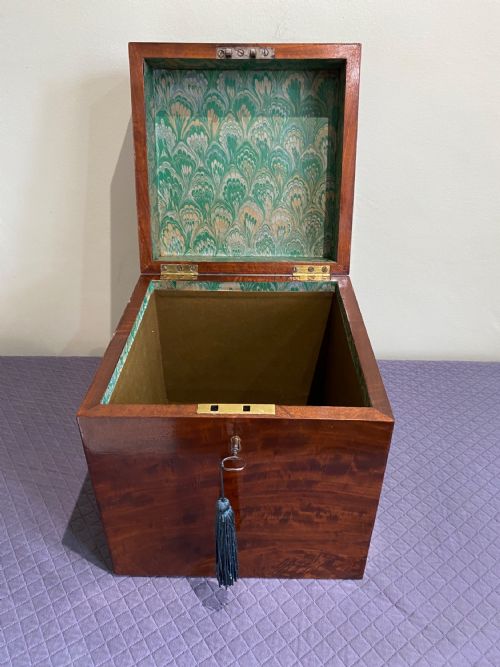
Completeness of the interior fittings, such as original mixing bowls, internal lids and functional locks with matching keys, elevates an example. Masterful joinery, evidenced by tight dovetail corners and well-fitted secret drawers, separates standard production boxes from exceptional cabinet work.
Vintage Wooden Tea Chest Retail Price Guide 2026
Typical asking prices for vintage wooden tea chest among the pieces listed under this phrase on Sellingantiques today, from the lower quarter to the upper quarter. They describe what is for sale here now, not the wider market.
Tea was once so valuable that locking the caddy was essential, turning a simple wooden box into a miniature household vault.
The Vintage Wooden Tea Chest Glossary
- Tea caddy
- A small container designed to store loose tea leaves securely before brewing. These vessels often feature internal partitions and lids to separate different tea varieties.
- Escutcheon
- A protective metal plate surrounding a keyhole. This brass or metal fitting prevents the surrounding wood from wearing down through repeated use of the key.
- Tunbridge inlay
- A meticulous mosaic woodworking technique creating detailed geometric or pictorial scenes using tiny blocks of naturally coloured woods. Originating in Kent, this decoration adorns lids and panels.
- Flame mahogany
- A distinctive wood veneer figure resembling flickering flames, achieved by cutting across the branch junction of the mahogany tree. Cabinet-makers reserved this decorative grain for primary display surfaces.
- Dual compartment
- An interior layout featuring two separate lidded sections within the main box. This allowed households to store both black and green teas side by side.
Vintage Wooden Tea Chest: Frequently Asked Questions
How were tea chests used historically?
These boxes stored precious dry tea leaves securely under lock and key in the parlour or dining room. The mistress of the house kept the key to protect the expensive commodity from domestic servants.
Inside, twin compartments held contrasting varieties of tea, while a central recess often accommodated a glass or metal bowl for blending leaves before brewing.
How do I care for wooden tea chests?
Keep wooden caddies away from direct sunlight and sudden temperature shifts to prevent the timber veneers from drying out and cracking. Maintain the polished finish by applying a modest amount of quality beeswax periodically.
Avoid placing damp items near the antique wood, and handle brass fittings gently to preserve the original patination.
How can I tell a Georgian box from a Victorian one?
Georgian examples, particularly from the George III period, often feature understated elegance with straight lines, mahogany veneers and subtle string inlay. Their proportions remain classical and restrained.
Victorian pieces frequently embrace bolder aesthetics, utilising heavier burr walnut or coromandel timbers alongside more elaborate Tunbridge decoration and robust brass hardware.
What are secret drawers in tea chests?
Secret drawers represent concealed compartments built into the interior architecture of fine wooden caddies. Cabinet-makers created these hidden spaces behind removable partitions or false floors to store private keepsakes.
Discovering them requires understanding the internal geometry of the box, often involving sliding panels or releasing hidden spring catches.