



Art Deco Pin
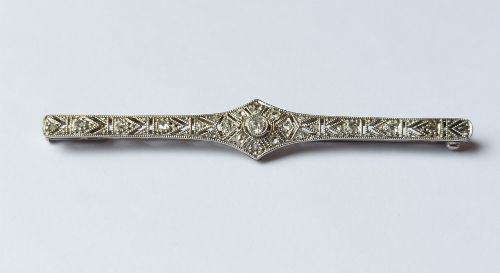
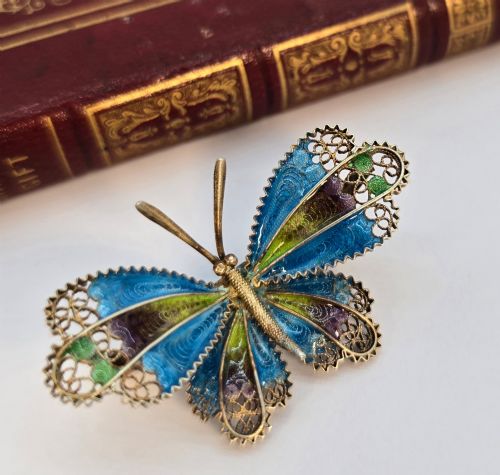
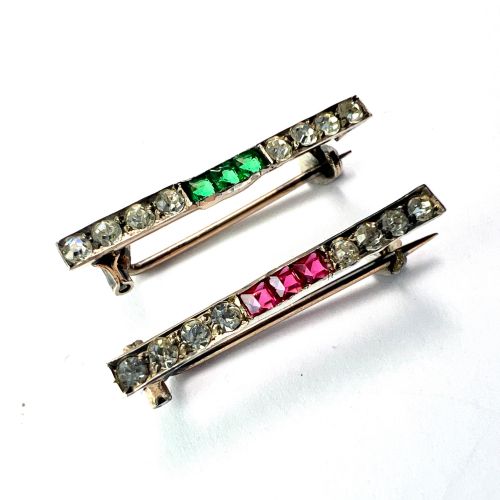
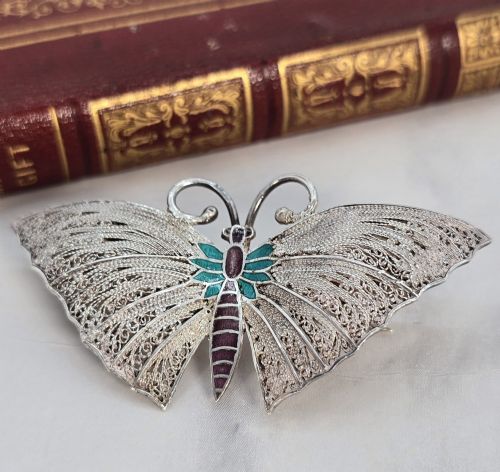
When hunting an art deco pin, buyers discover exquisite platinum and diamond bar brooches alongside colourful enamel butterfly pieces designed to fasten lapels and scarves.
Art Deco Pin
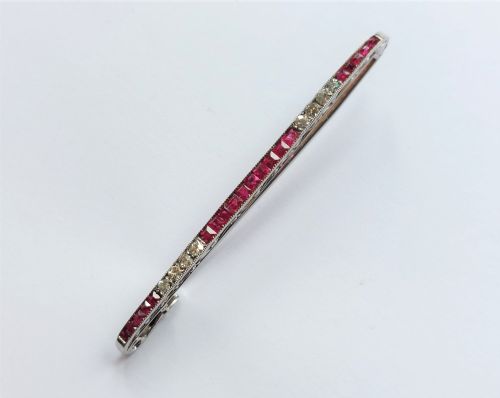
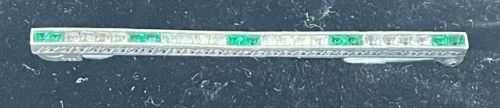
The selections gathered under an art deco pin primarily comprise brooches, dress clips, and jabot pins dating from the nineteen-twenties and nineteen-thirties. These accessories capture the geometric discipline and stylised motifs characteristic of the period, ranging from symmetrical diamond plaques to playful figural insects.
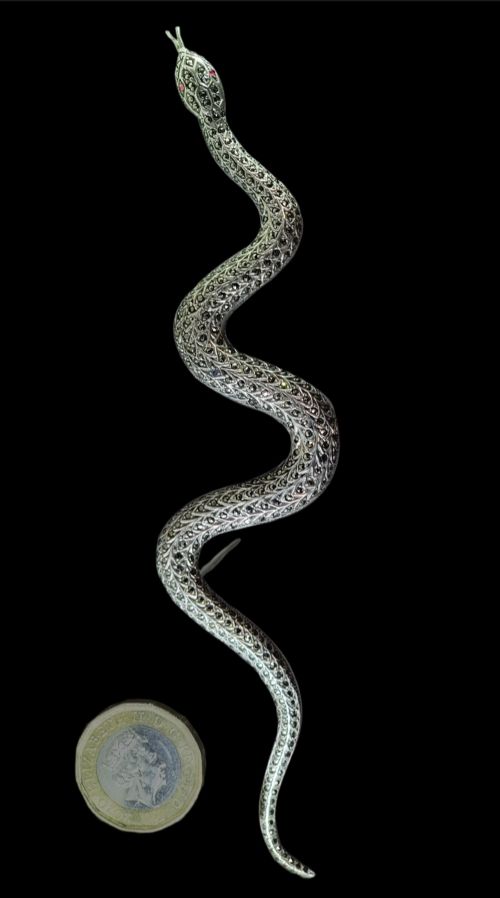
Buyers browsing this specific assembly encounter two distinct categories of adornment. Fine precious pieces combine platinum or white gold with diamonds, sapphires, rubies, and onyx, whilst accessible sterling silver versions utilise marcasite, paste stones, and vibrant enamel.
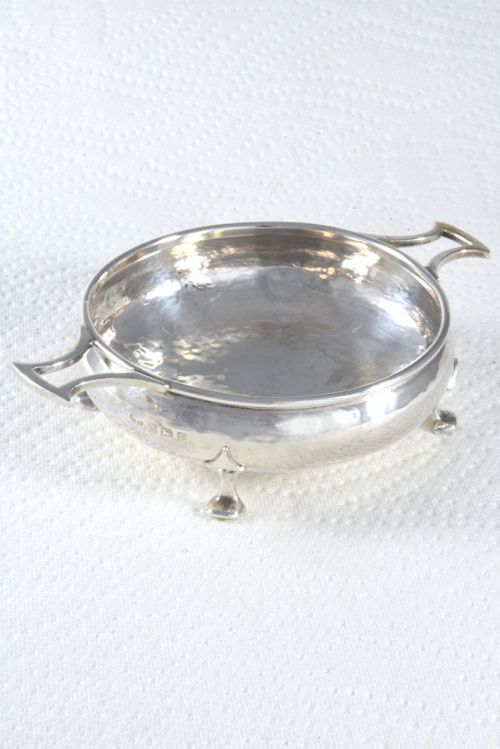
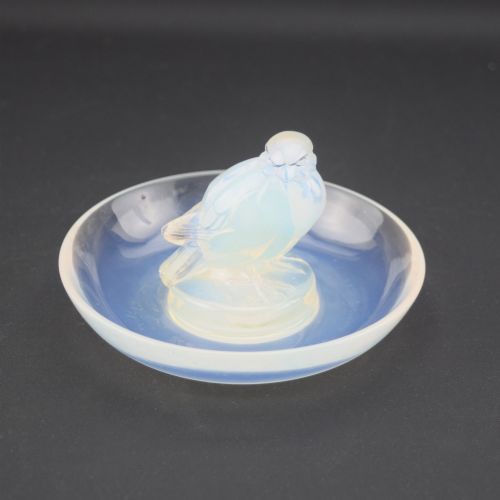
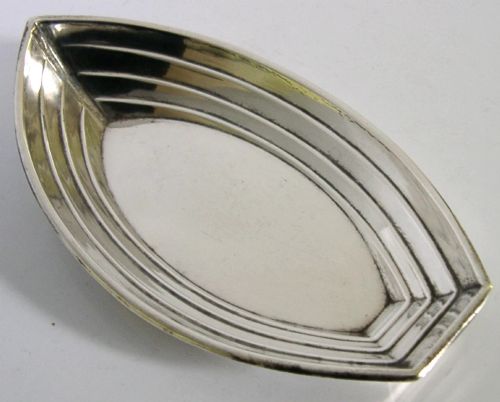
Beyond personal jewellery, the broader classification occasionally encompasses small decorative receptacles and glass pin dishes from the same era. However, wearable fastenings dominate the offerings, providing immediate period flair for modern attire.
How They Were Made
Craftsmen of the era utilised durable platinum and white gold to mount heavy concentrations of old-mine and transitional cut diamonds with minimal metal visibility. Pierced openwork and millegrain edging defined the fine jewellery workshops, creating delicate lace-like metallic frameworks.
Enamelling techniques such as guilloché brought translucent colour to silver and silver gilt grounds, often engine-turned with repeating wave or sunburst patterns beneath the coloured glaze. Filigree wirework was twisted and soldered by hand to form intricate insect wings and geometric borders.
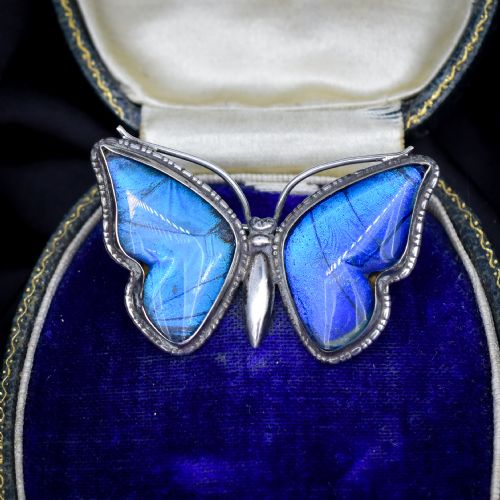
Alternative materials included butterfly wing panels preserved under convex glass, alongside moulded opalescent glass inserts. Base metals and sterling silver were frequently stamped, cast, or set with sparkling marcasite and coloured glass paste.
Listings feature platinum, sterling silver, and 18ct gold pieces set with diamonds, rubies, sapphires, and enamel.
What Varies In Quality
The tier of a piece depends heavily on the purity and weight of the precious metals and the quality of the central gemstones. Fine examples feature substantial diamond carat weights with high clarity and colour grades, securely mounted in platinum rather than plated base metal.
Hand-finishing separates mass-produced items from superior studio output. Crisp engraving, even guilloché enamel without chipping, and precise stone setting indicate superior craftsmanship from established makers.
Condition and originality dictate desirability. Pieces retaining their original safety catches, pin stems, and undamaged enamel surfaces command greater appreciation among collectors.
Cartier Paris·Mappin and Webb·John Grinsell And Sons·Max Le Verrier·James Dixon
The Art Deco Pin Glossary
- Bar brooch
- A narrow horizontal pin featuring central ornamentation such as gemstones or enamel motifs. This form was exceptionally popular during the early twentieth century for securing scarves and collars.
- Guilloché
- A decorative mechanical technique where precise patterns are engraved into a metal surface before translucent enamel is applied. The underlying pattern shows clearly through the glossy coloured glass layer.
- Marcasite
- Small faceted polished pyrite stones set closely together in silver mounts to imitate the sparkle of diamonds. It provided an affordable alternative during the interwar period.
- Paste
- Hand-cut and polished lead glass used as a substitute for precious gemstones. High-quality paste was carefully foiled at the back to enhance reflectivity and colour.
- Millegrain
- A jewelling technique creating a textured border of tiny raised metallic beads along the edge of a setting. It softens the transition between metal and stone with a delicate decorative finish.
Art Deco Pin: Frequently Asked Questions
How do I wear an art deco pin today?
These versatile fastenings anchor neatly onto heavy coat lapels, knitted cardigans, or silk scarves. They also secure structured handbags or hats.
Ensure the fabric is sufficiently robust to support the weight of platinum or gemstone-heavy pieces without sagging.
Were these pins made from platinum or white gold?
Both metals appear frequently across the period, though platinum was favoured for high-end diamond settings due to its strength. White gold emerged as a popular, more accessible alternative.
Testing hallmarks and metal density reveals the exact composition of each mounting.
How do I identify a butterfly wing brooch?
Artisans placed genuine morpho butterfly wings under a protective glass dome within a silver or silver-gilt frame. The resulting panels display an iridescent blue colour that shifts in the light.
Most examples date from the nineteen-twenties and thirties, often depicting tropical scenes or natural insect subjects.