




Art Deco Metal Figurine
An art deco metal figurine brings the kinetic energy and stylised elegance of the interwar years directly to a shelf or desk.
Art Deco Metal Figurine
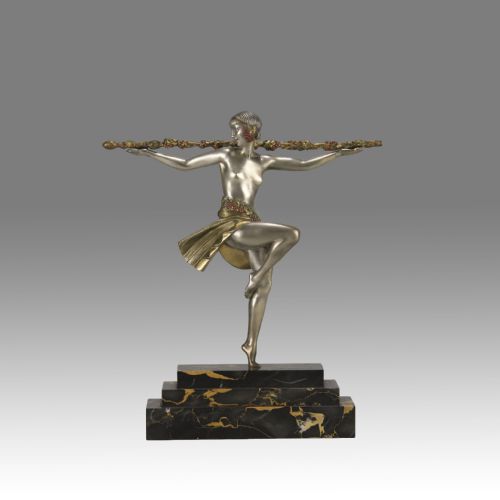
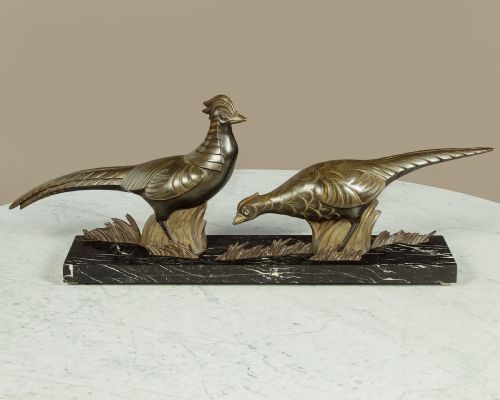
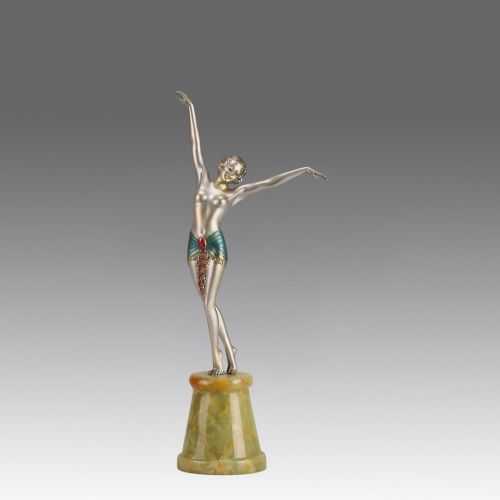
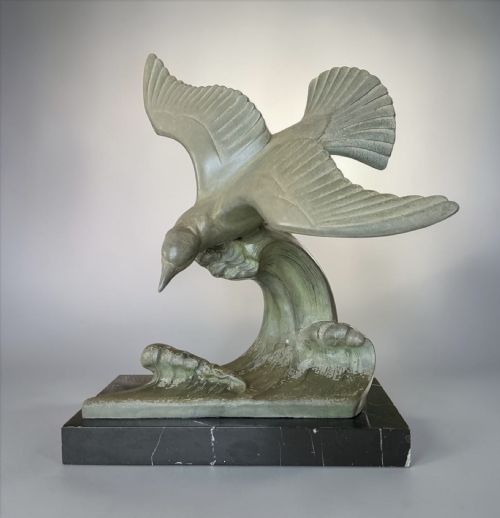
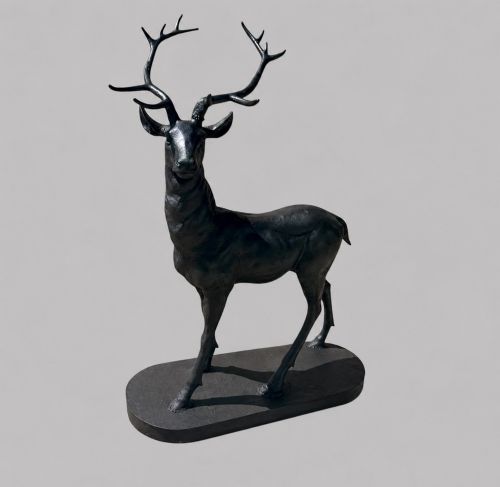
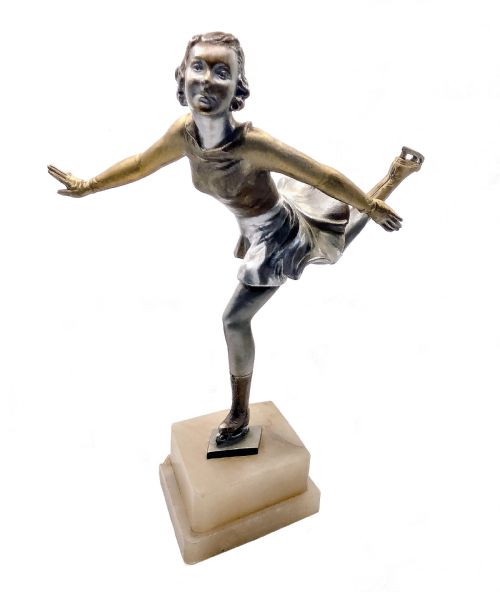
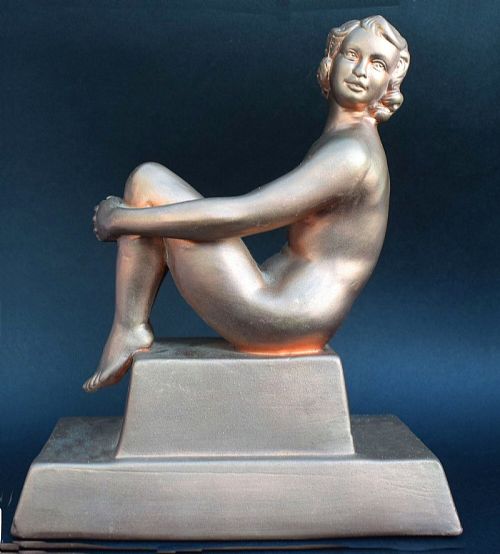
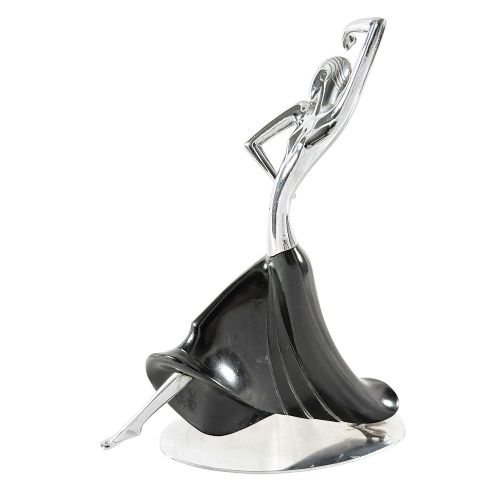
When you search for an art deco metal figurine, you encounter sculptural works that capture the rhythm and modernism of the early twentieth century. The selection ranges from female dancers and athletes to stylised animals such as panthers, stags, and pheasants.
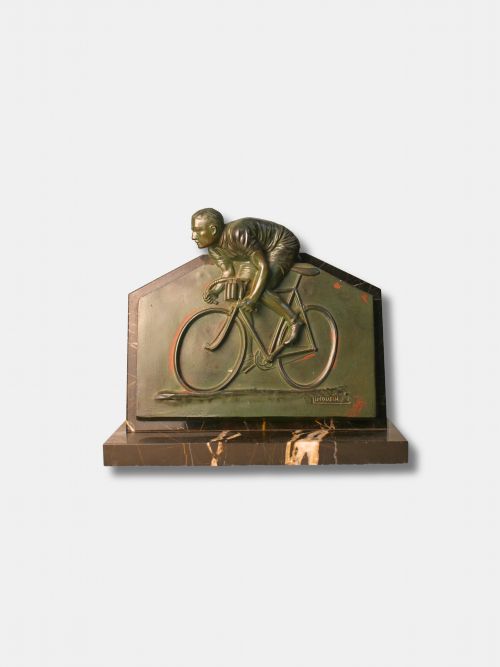
Spelter and hot cast bronze dominate the offerings, frequently mounted upon solid marble or onyx plinths. Many pieces double as functional objects, appearing as table lamps, desk ornaments, barware, and cigarette lighters.
How they were made
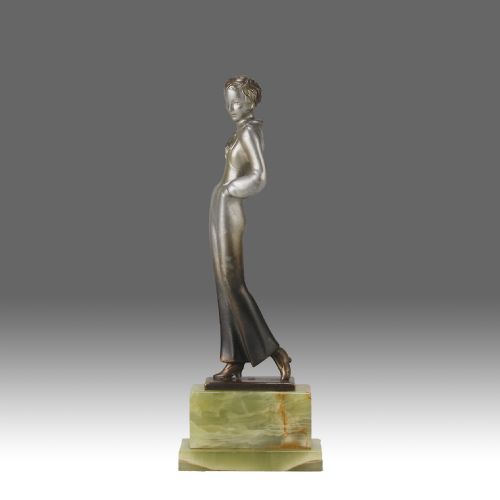
Foundries produced these figures using traditional casting methods for bronze alongside cheaper white metal alloys like spelter. Artisans then applied cold painting, silver plating, patination, or gilt finishes to highlight the stylised contours of the garments and musculature.
Heavier elements relied on natural stone bases, utilising shaped marble or onyx plinths to anchor tall dancers and leaping animals. Aluminium and chrome plate also emerged, reflecting the industrial tastes of the period.
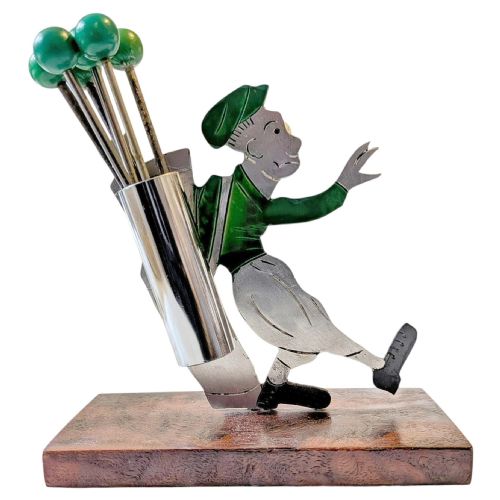
Some figures doubled as cocktail stick holders, ensuring that a golfer with a caddy could assist with evening drinks.
What varies in quality
The distinction between superior examples and simpler commercial wares rests upon the crispness of the casting and the fidelity of the surface finish. Skilled chasing work sharpens facial expressions and drapery folds before the patination is applied.
Artisanal execution by named sculptors commands greater interest than anonymous workshop output. Furthermore, the integration between the metal subject and its original marble or onyx base indicates a cohesive initial design.
Pierre le Faguays·Josef Lorenzl·Claire Colinet·Bruno Zach·Michel Decoux
The Art Deco Metal Figurine Glossary
- Spelter
- A zinc-lead alloy commonly utilised as a cheaper alternative to bronze for twentieth-century figures. It accepts patination and cold painting readily.
- Cold-painted
- Pigment applied to a metal object after casting without subsequent high-temperature firing. This technique permits intricate multicolour details on garments and plumage.
- Patination
- The chemical treatment or natural oxidation applied to the surface of bronze and metal to alter its colour. This process introduces depth and highlights sculptural contours.
- Animalier
- The realistic or stylised artistic representation of animals. Works in this vein focus heavily on creatures in motion, such as running panthers or rising pheasants.
Art Deco Metal Figurine: Frequently Asked Questions
How do I distinguish bronze from spelter?
Bronze is heavier, denser, and generally shows a warmer undertone where wear occurs, whereas spelter is a softer, lighter alloy that often reveals a greyish-white metal beneath chipped paint.
Examining the underside or unpolished areas helps clarify the material composition of the figure.
Were these figures purely decorative?
While many served purely as sculptural ornaments, numerous examples integrated practical functions into their design. Makers incorporated figures into table lamps, cigarette lighters, cocktail stick holders, and desk novelties.
This blend of utility and modern design characterised the decorative arts of the period.
Why are so many mounted on marble?
Stone plinths provided essential stability for tall, slender figures such as dancers and athletes whose posture created an unbalanced centre of gravity. Black or multi-coloured marble and onyx also offered a contrasting geometric base that complemented the aesthetic.
These heavy mounts ensured the sculptures stood securely on mantelpieces and tables.
What subjects are most common?
Human figures, particularly female dancers, cabaret performers, and athletes, represent a substantial portion of the available designs. Stylised fauna, notably large cats like panthers alongside birds like pheasants and lovebirds, also appear frequently.
These motifs reflected contemporary fascinations with speed, exoticism, and modern dance.