




Vintage Art Deco Statuette
A vintage art deco statuette captures the kinetic energy and stylised elegance of the early twentieth century in bronze, glass and porcelain.
Vintage Art Deco Statuette
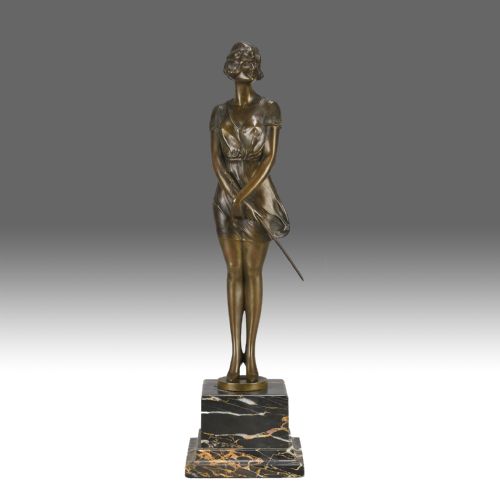
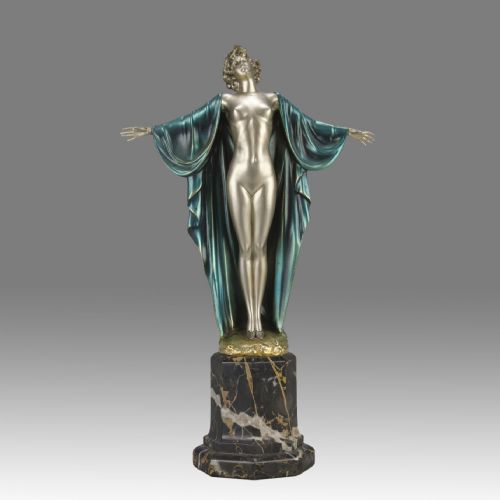
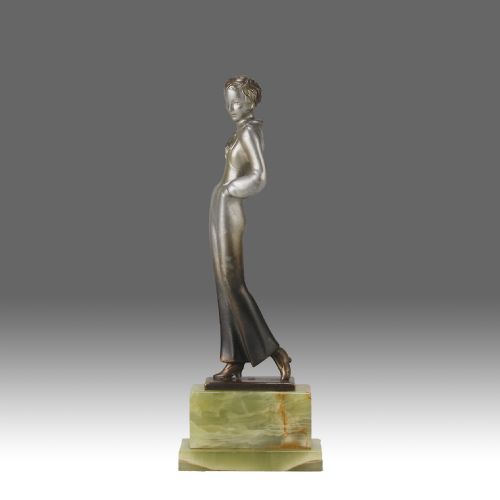
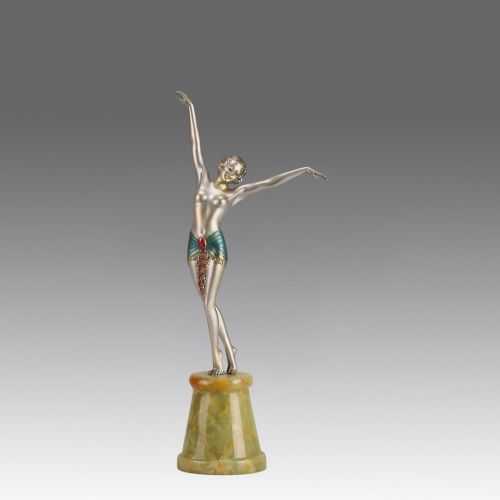
A vintage art deco statuette brings the distinctive artistic vocabulary of the interwar decades into modern interiors through representations of dancers, nudes, animals and literary figures. These small-scale sculptures serve primarily as decorative objects designed to display cleanly on mantelpieces, desks and cabinets.
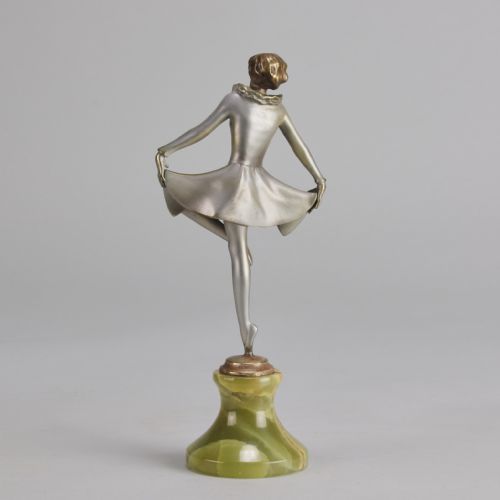
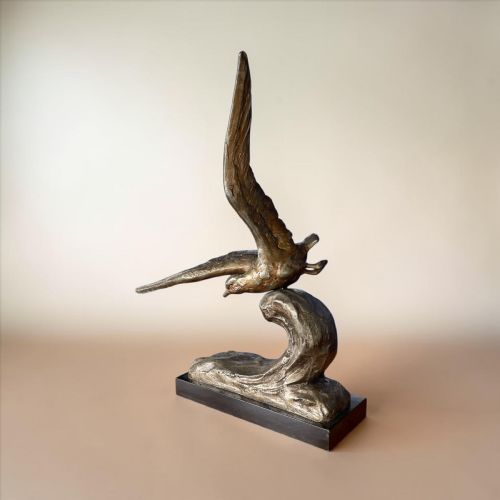
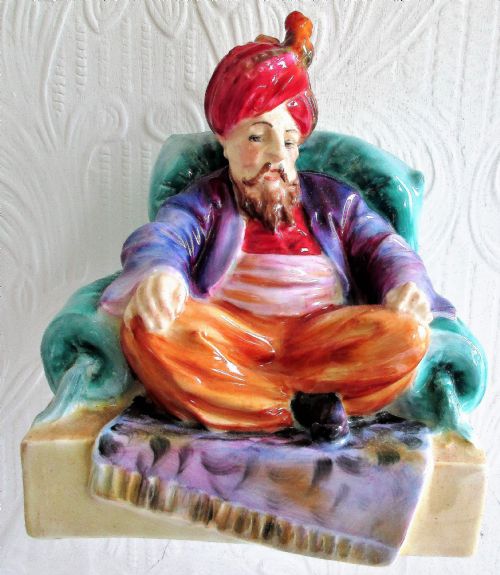
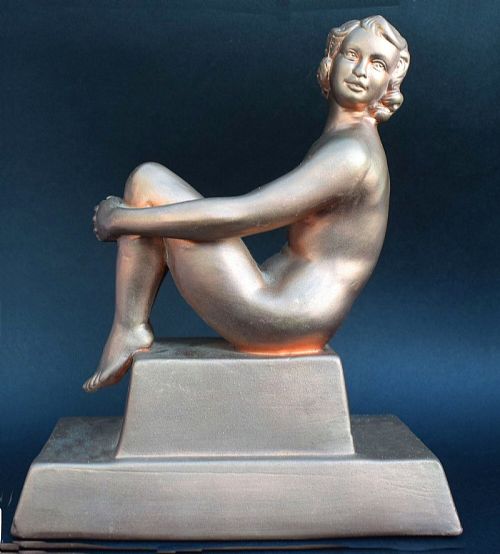
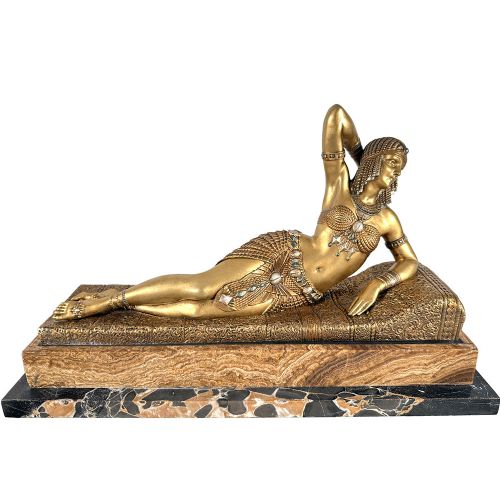
The objects on this page appear predominantly as bronze studies, porcelain figurines and moulded glass mascots originating from the nineteen-tens through to the nineteen-forties. Figures of female dancers, exotic dancers and sleek animals dominate the forms, reflecting the motion and glamour associated with the period.
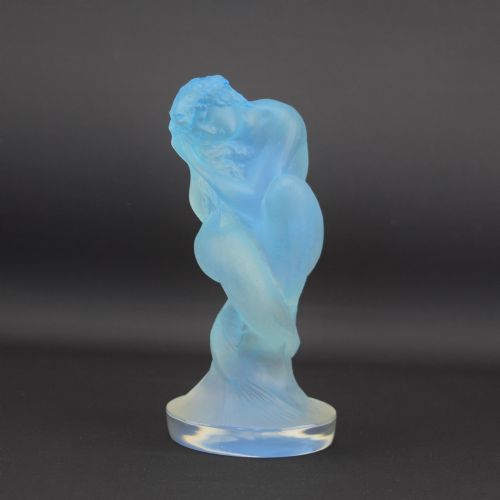
Makers utilised various mediums to achieve contrasting textures, mounting metal figures upon heavy plinths of black marble or onyx. The variety ranges from cold-painted metal studies to delicate opalescent glass figures intended to catch light.
Materials and Construction
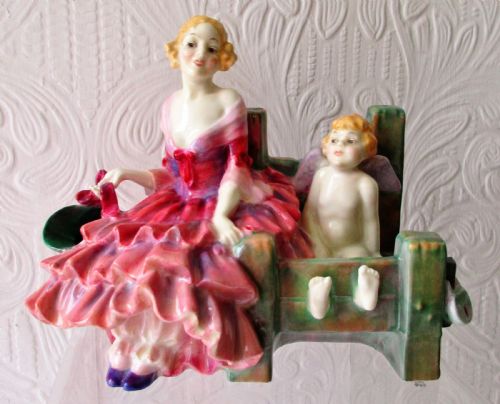
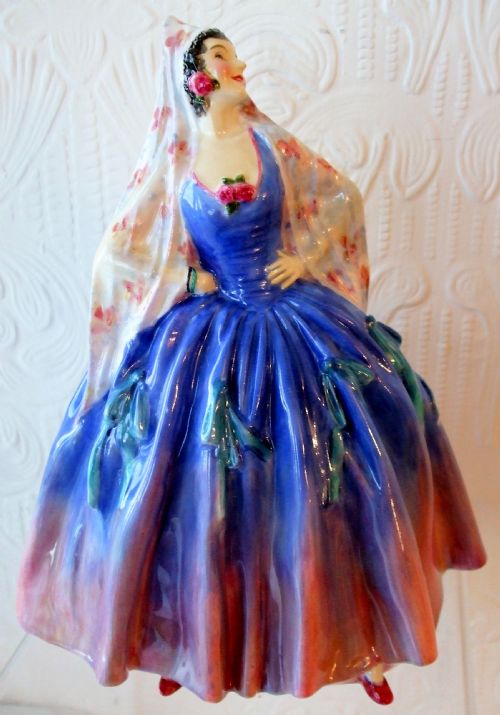
Glass statuettes and paperweights employ pressing and moulding techniques, frequently utilising opalescent or frosted finishes to diffuse light across stylised surfaces. Porcelain pieces combine slip-casting with hand-painted enamel glazes to achieve finished English and continental figurines.
Several statuettes double as functional items, including cigarette lighters disguised as highwaymen and glass mascots repurposed as paperweights.
Distinctions in Execution
The distinction between standard production pieces and superior examples often rests in the complexity of the polychrome painting, the depth of the glass opalescence and the inclusion of a clear signature from a recognised studio or artist.
Bruno Zach·Ferdinand Preiss·Josef Lorenzl·Royal Doulton·Rene Lalique·Demetre Chiparus·Gotthilf Jaeger·Etling·Royal Dux
The Vintage Art Deco Statuette Glossary
- Opalescent glass
- Glass that displays a milky, translucent appearance with shifting tones of blue or amber when lit from various angles. René Lalique utilised this property extensively in statuettes and car mascots.
- Animalier
- A nineteenth and twentieth century artistic tradition focusing on the realistic or stylised representation of animals, particularly predators and birds in motion.
- Car mascot
- A decorative figurine mounted upon the radiator cap of an automobile during the interwar period. Many of these glass and bronze figures were later mounted on bases to serve as desk statuettes.
- Patinated bronze
- Metal sculpture treated with chemicals to produce a specific surface colour or aged finish. This process protects the bronze while enhancing sculptural depth.
Vintage Art Deco Statuette: Frequently Asked Questions
What materials were used for these statuettes?
These pieces incorporate cast bronze, marble, onyx, porcelain, bone china, and frosted or opalescent glass. Many metal works combine cold-painted surfaces with heavy stone plinths.
Makers selected these contrasting materials to accentuate the clean, geometric lines characteristic of the period style.
Where were these figures made?
Production was centred primarily in France, Austria, and England through specialised foundries, glassworks, and porcelain potteries. Major artists worked closely with continental workshops to cast and finish their designs.
English manufacturers focused heavily on glazed porcelain figurines produced for domestic interiors.
How can I identify the period of a bronze figure?
Dating relies on stylistic markers such as the aerodynamic lines of the figures, the clothing styles of dancers, and the use of geometric marble bases. Signatures or foundry marks stamped into the metal provide further historical context.
Comparing the casting method and surface patination against documented examples helps confirm the era of production.