


Art Deco Dancer Statuette
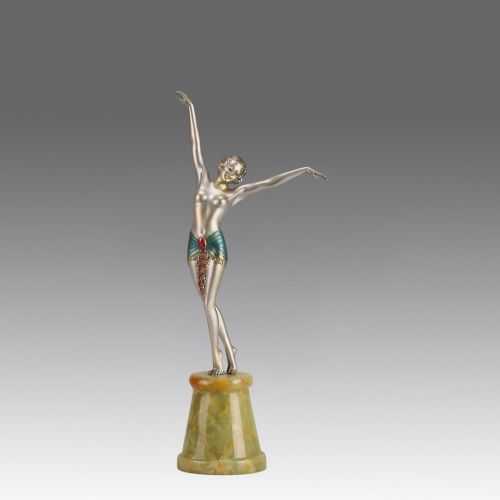
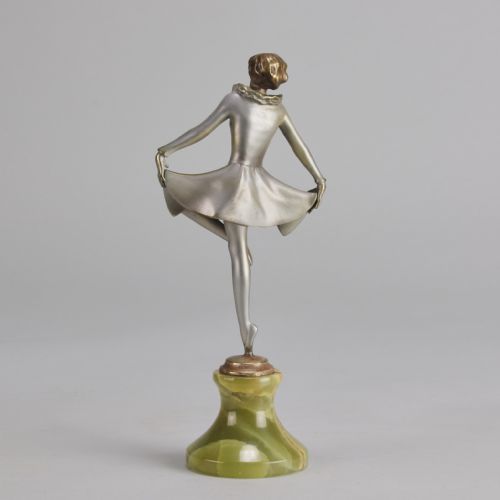
An art deco dancer statuette captures the kinetic energy of the interwar years through striking metallic figures poised upon stone bases.
Art Deco Dancer Statuette
The search for an art deco dancer statuette leads straight to dynamic figures of female dancers captured mid-movement during the 1920s and 1930s. These sculptures take the form of freestanding figurines mounted on heavy stone plinths, portraying subjects such as hoop dancers, high kickers, and troupe performers.
Most examples originate from French workshops or international sculptors working in the Art Deco style, featuring outstretched arms and theatrical costumes. Buyers encounter both substantial bronze castings and lighter alloy alternatives resting upon multi-coloured bases.
Materials and construction methods
Foundry work relied heavily on bronze and spelter as the primary metals for casting the human form, often enhanced with cold-painted pigments, silvering, enamel, or gilt surfaces. These metallic bodies were then secured to polished bases carved from marble, onyx, or alabaster.
Makers utilised precise casting techniques to capture flowing garments and slender limbs, frequently mounting the completed metal figures firmly onto heavy rectangular or circular stone plinths to maintain physical balance.
Listings feature works cast in bronze, silvered bronze, and spelter, mounted upon marble, onyx, and alabaster bases dating from the 1920s and 1930s.
Distinguishing quality across the range
The distinction between tiers rests upon the fidelity of the casting and the richness of the surface finish, such as the application of intricate cold-painting or silvered patination. Heavier bronze works with detailed facial expressions and well-preserved polychrome surfaces sit at the upper end, whereas base-metal spelter alternatives offer a lighter construction.
The choice of foundation stone also indicates the grade of the piece, with dense marbles and fine onyx plinths elevating the overall presence of the sculpture compared to simpler mounting materials.
Josef Lorenzl·Demetre H. Chiparus·Claire Jeanne Roberte Colinet·Rene Andre Varnier·Bruno Zach·Pierre le Faguays·Mario Korbel
The Art Deco Dancer Statuette Glossary
- Spelter
- A zinc-based alloy commonly utilised as a cost-effective alternative to bronze in interwar figural casting. It provides a lighter weight and accepts patination or cold-painting.
- Cold-painted
- A decorative technique where pigment is applied to cured metal without subsequent kiln firing. This surface treatment remains susceptible to chipping over decades of handling.
- Onyx
- A banded variety of chalcedony frequently shaped into contrasting plinths for figural mounts. Its translucent layers add visual depth beneath the metal sculpture.
- Patina
- The surface sheen or colour resulting from oxidation and age on exposed metal. Collectors value undisturbed patination for authenticity.
- Alabaster
- A fine-grained, translucent stone carved to create pale mounting bases. It offers a softer texture compared to marble.
Art Deco Dancer Statuette: Frequently Asked Questions
How do I identify bronze from spelter?
Bronze objects carry a heavier, denser weight and ring with a resonant tone when tapped gently. Spelter feels noticeably lighter and possesses a softer metal composition that often shows granular grey patches beneath worn paint.
Examining the underside or mounting points reveals the underlying metal colour without disturbing the finished exterior patination.
How should I clean my statuette?
Dust the metal and stone surfaces gently using a dry, soft microfiber cloth to prevent abrasion. Avoid all liquid cleaners, abrasive polishes, and chemical solvents that strip cold-painted details.
Keeping the piece away from direct sunlight protects vulnerable enamel and painted costumes from fading over time.
Are signatures always present?
Signatures appear on many cast examples, usually inscribed directly into the metal base or along the edge of the bronze robe. However, some genuine period pieces remain unsigned or carry indistinct foundry marks.
Absence of a signature does not preclude authenticity when the casting quality and materials align with interwar production standards.