

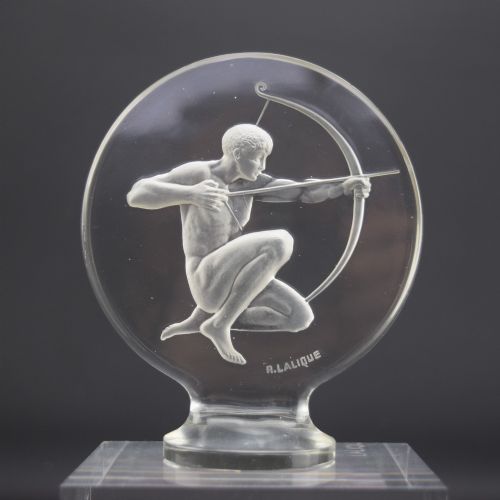

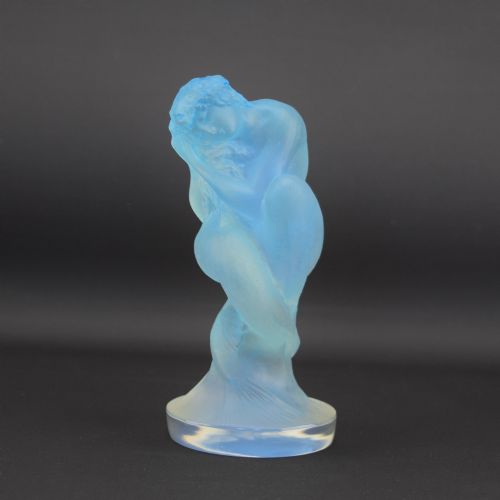


Art Deco Car Paperweight
These art deco car paperweight pieces capture high-speed motoring elegance on the desk, combining period styling with practical weight.
Art Deco Car Paperweight
An art deco car paperweight typically originates from the interwar decades, often taking the form of a repurposed car mascot or a dedicated desk accessory designed in that aesthetic. These items translate the dynamic spirit of early motoring into compact objects suitable for domestic or office interiors.
The selections encountered here span the nineteen twenties, thirties, and forties, reflecting the peak years of automobile ornamentation and streamline design. Buyers frequently encounter glass mascots alongside cast metal desk ornaments that bridge the gap between automotive history and functional deskware.
Materials and Construction Methods
Metal versions relied on bronze and aluminium casting, capturing the sleek contours of animals and figurative subjects associated with speed. These metal components often received patination or polishing to accentuate the streamline forms typical of the period.
Art Deco Car Paperweight Retail Price Guide 2026
Typical asking prices for art deco car paperweight among the pieces listed under this phrase on Sellingantiques today, from the lower quarter to the upper quarter. They describe what is for sale here now, not the wider market.
Wild boars, greyhounds, and frogs rub shoulders with classical sirens on the desks of unsuspecting collectors.
Distinguishing Quality Across the Range
The distinction between standard examples and superior specimens rests on the crispness of the modelling and the sophistication of the material finish. Finer glass objects exhibit subtle opalescence and sharp relief in the moulded details, whereas simpler metal pieces rely on the clean lines of the casting.
Design complexity also dictates the standing of a piece, with naturalistic animal and human figures showing greater artistic ambition than abstract geometric forms. The handling of surface texture, whether through frosted contrast on glass or polished highlights on metal, defines the overall visual success of the object.
Rene Lalique·Louis Lejeune
The Art Deco Car Paperweight Glossary
- Car Mascot
- A decorative ornament mounted on the radiator cap of a motor car during the early twentieth century. Many survivors later transitioned onto desks as paperweights.
- Opalescent Glass
- Glass that displays a milky, iridescent quality with shifting blue and amber tones when lit. This effect is achieved through chemical additions during the melting process.
- Automobilia
- Collectable items associated with motor cars, ranging from badges and mascots to manuals and period accessories. This broader category encompasses desk ornaments shaped like vehicles or racing animals.
- Frosted Glass
- Glass treated to create a textured, matte surface that diffuses light. It was widely used in art deco design to highlight relief details against clear backgrounds.
Art Deco Car Paperweight: Frequently Asked Questions
Were these always used as paperweights?
Many examples began their lives mounted on the bonnets of vintage motor cars before finding a second purpose on office desks.
Collectors often repurposed surplus or detached radiator ornaments once motoring regulations changed, turning them into practical desk accessories.
How do I identify glass types?
Frosted and clear glass rely on surface texture and transparency to create depth, whereas opalescent glass shifts in tone under different lighting conditions.
Examining the piece in natural light reveals the milky blue or amber glow characteristic of quality art deco glass formulations.
What metals are most common?
Bronze and aluminium appear frequently in metal desk ornaments and mascots from the period.
Bronze offers a heavier feel and takes a deep patina, while aluminium provides a lighter, silvery finish suited to streamline designs.
How do I date these pieces?
Stylistic cues from the nineteen twenties and thirties guide the dating of these items, alongside maker signatures where present.
The transition from classical motifs to streamlined speed forms reflects the progression of the art deco movement across these decades.