

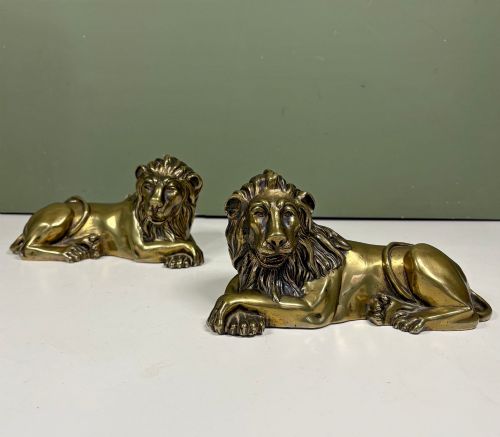
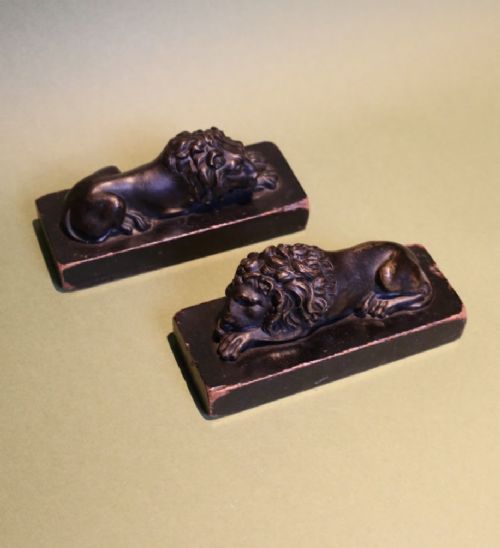



Antique Metal Paperweight
These antique metal paperweight designs combine utilitarian weight with sculptural ambition, ranging from cast iron animals to cold-painted bronze figures.
Antique Metal Paperweight
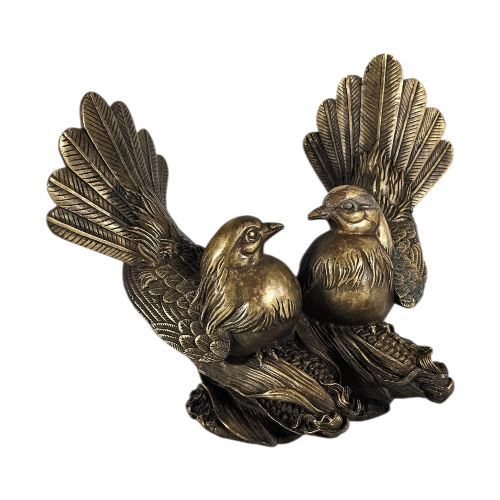
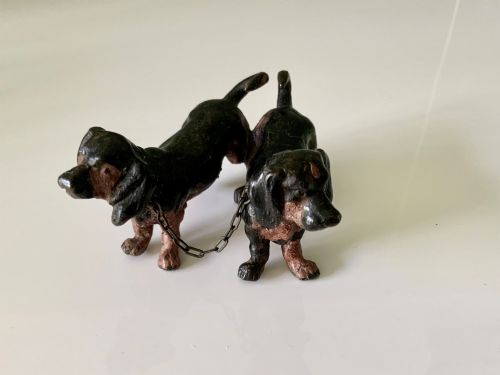
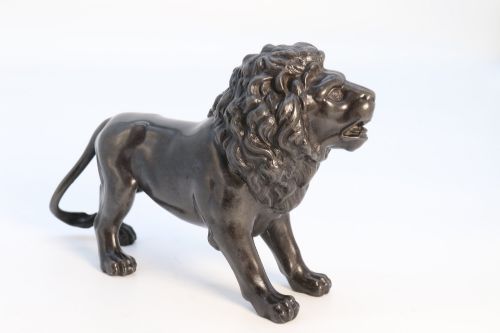
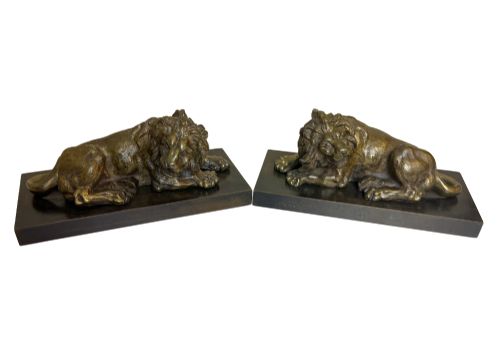
When you search for an antique metal paperweight, you encounter miniature sculptures cast for the desk, many taking the form of lions, dogs, birds, and architectural models. The most common examples on this page date from the nineteenth century into the interwar decades, often serving dual purposes as desk accessories, mantel ornaments, and car mascots.
Makers of these desk objects drew heavily from classical motifs, Grand Tour souvenirs, and naturalistic animalier traditions. You will frequently find heavy metal castings designed to secure correspondence against drafts, utilising sturdy bases of marble, onyx, or solid iron.
How They Were Made
The primary technique relied on foundry casting, utilising molten bronze, brass, cast iron, and aluminium poured into detailed moulds. Artisans then finished these pieces with patination, chemical ageing, or cold-painting applied directly over the metal surface.
Many heavy models incorporate integral plinths of stone such as marble or onyx to add essential heft. Finishing touches involved hand-chasing details into the metal and occasionally mounting stamped foundry marks or signature plaques.
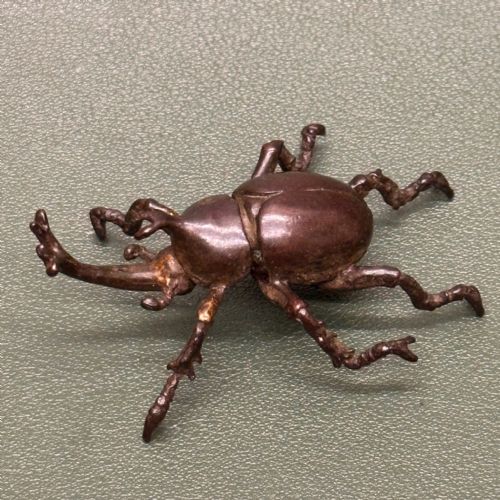
A rhinoceros beetle carved in bronze shares desk space with cast iron lions explicitly recommended for bills.
What Varies In Quality
The weight-to-size ratio and the integrity of the base material also dictate standing. Heavy, stable metals paired cleanly with genuine stone plinths distinguish the finest workshop productions from simpler utilitarian objects.
Franz Bergman·Jennings Brothers·Marion Willis Stanfield
The Antique Metal Paperweight Glossary
- Cold-painted bronze
- A method where enamel paint is applied to cold bronze without subsequent firing. This technique gained popularity in Austrian workshops producing small animal figures.
- Animalier
- A nineteenth-century artistic style focusing on realistic depictions of animals. Sculptors in this tradition studied anatomy closely.
- Grand Tour
- A cultural journey undertaken by wealthy Europeans that inspired souvenir models of monuments and architecture. These metal miniatures often served decorative desk functions.
- Patina
- The surface sheen or colour resulting from age, chemical treatment, or handling. A patinated finish protects the underlying metal while adding depth.
Antique Metal Paperweight: Frequently Asked Questions
What materials are these desk pieces made from?
These items are principally cast in bronze, brass, cast iron, pewter, and aluminium. Many pieces incorporate secondary materials like marble or onyx for stability.
Some examples feature cold-painted enamel surfaces or specialist patination finishes applied directly to the metal.
How were these heavy metal objects used originally?
Their primary function was anchoring loose paperwork and correspondence on nineteenth and early twentieth-century desks. They also doubled as decorative ornaments, mantel sculptures, and occasional car mascots.
Due to their solid mass, smaller metal figures could easily hold down stacks of bills and letters.
How do I identify a nineteenth-century piece?
Nineteenth-century items typically display heavier casting techniques, traditional patination, and specific stylistic markers like Grand Tour classical motifs or early animalier realism. Look at the manufacturing methods and mounting styles to gauge the era.
Maker marks, registration stamps, and material choices like cast iron or heavy bronze further help narrow down the production period.
How should I clean a metal paperweight?
Dust gently with a soft, dry brush to preserve original patination and delicate cold-painted surfaces. Avoid chemical polishes that can strip away historic finishes.
Keep the items away from excessive moisture, particularly if the piece combines exposed iron or unsealed painted bronze with stone bases.