

Art Deco Marble Sculpture
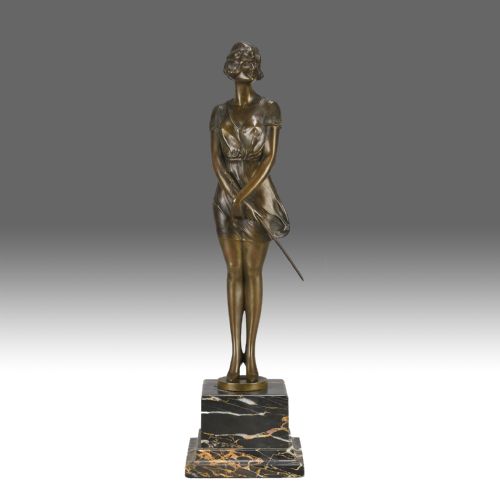
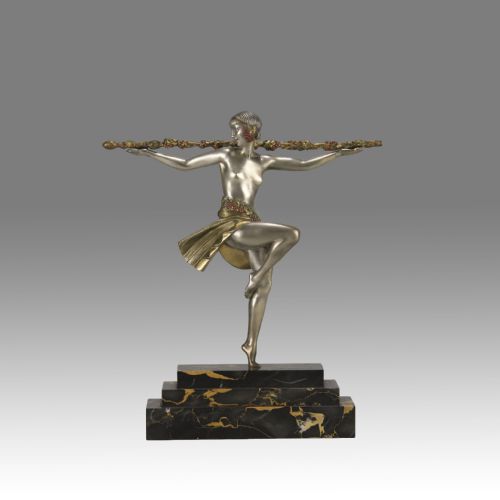
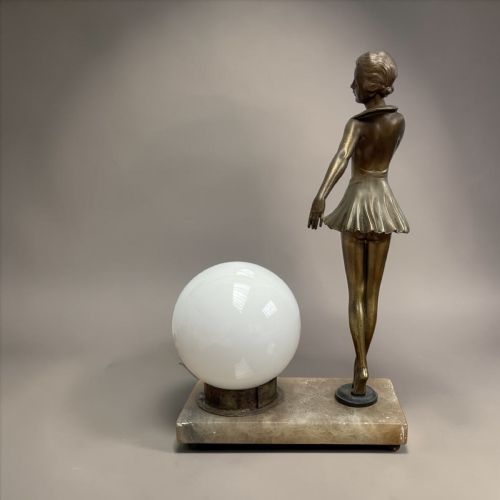
Art deco marble sculpture combines geometric stone plinths with figures in bronze, spelter and carved marble to capture modernist movement.
Art Deco Marble Sculpture
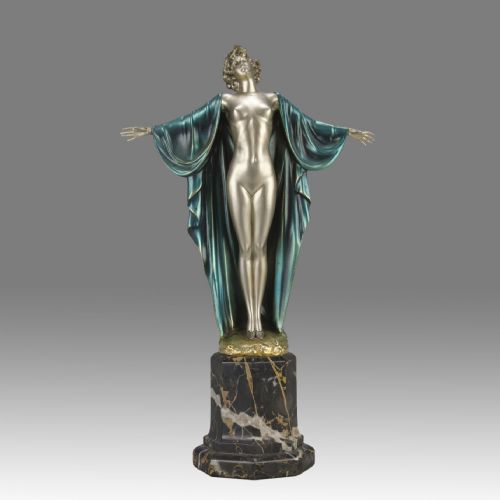
Art deco marble sculpture brings together contrasting media, pairing carved stone bases with metal figures, animal studies and female dancers.
Most pieces seen here originate from French and Italian studios working during the early decades of the twentieth century, bridging the interwar period.
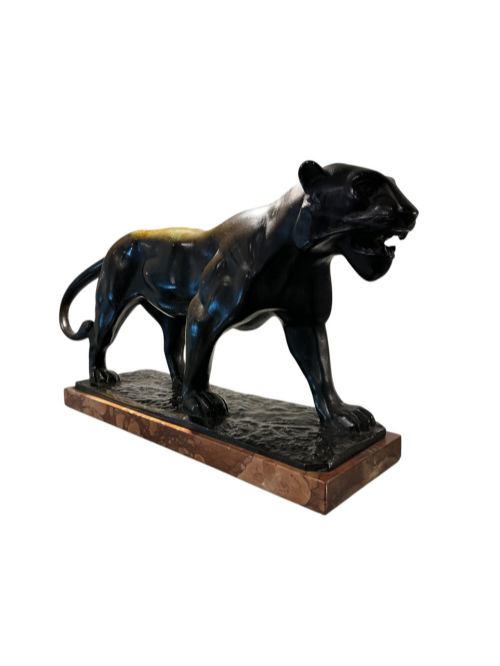
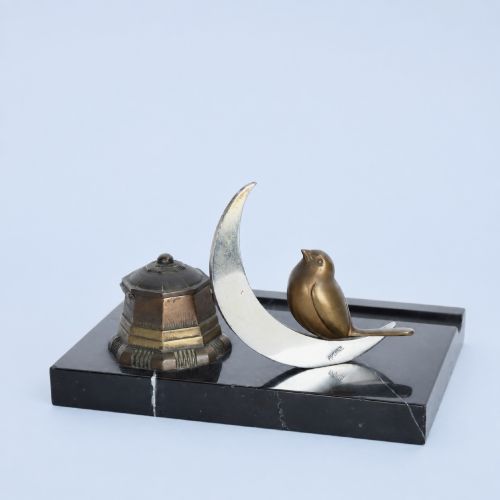
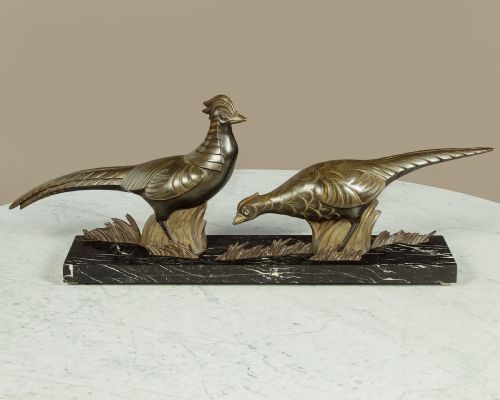
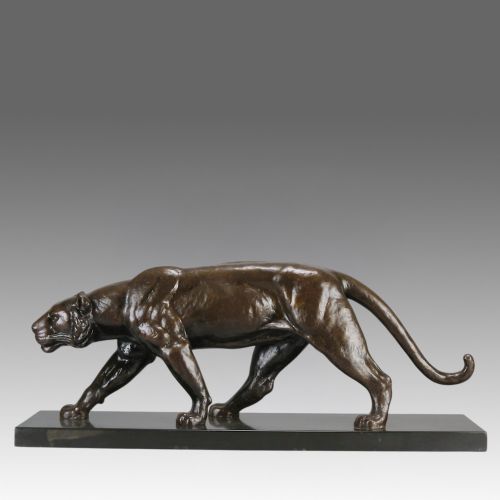
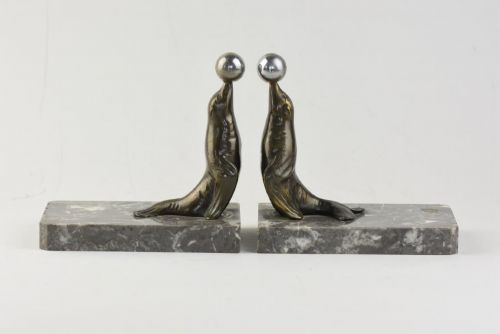
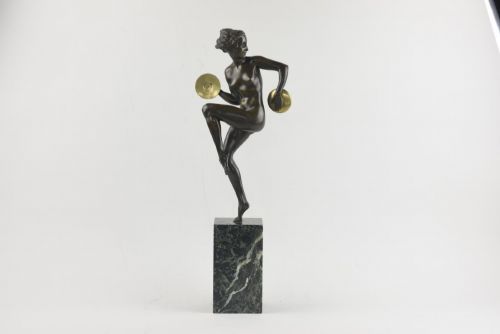
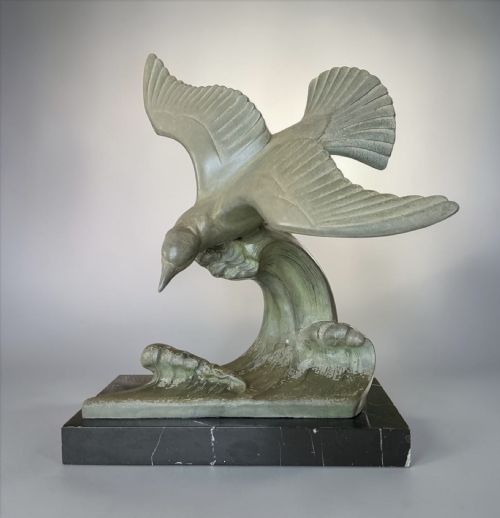
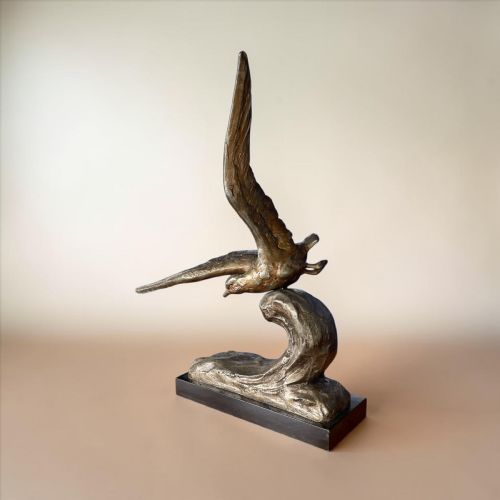
Forms range from heavy architectural desk accessories and bookends to monumental animalier cats, birds and athletic human figures.
How They Were Made
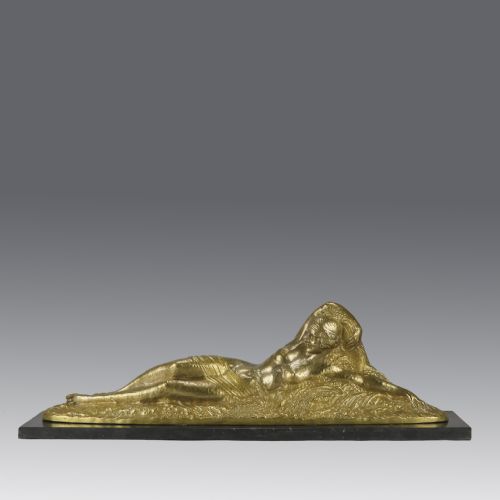
Foundries cast figures in bronze, gilt bronze or patinated metal, while workshops also utilised cheaper spelter for economic production.
Makers mounted these metal or carved ivory figures firmly onto heavy plinths of black, white or veined decorative marble and onyx.
Listings feature works predominantly dated to the 1920s and 1930s, combining marble, bronze, spelter and onyx.
What Varies in Quality
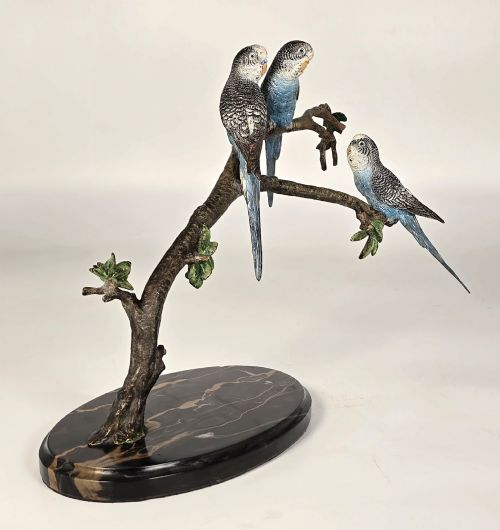
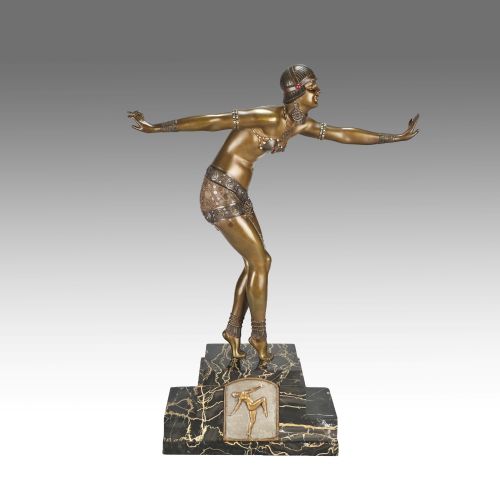
The sophistication of the casting and the crispness of the cold painted polychrome surface separate standard commercial work from master foundry output.
The choice of stone defines the piece, moving from simple black bases to richly figured Portoro or Verde Genova marble plinths.
Bruno Zach·Pierre le Faguays·Ferdinand Preiss·Alexandre Ouline·Demetre Chiparus·Claire Jeanne Roberte Colinet
The Art Deco Marble Sculpture Glossary
- Spelter
- A zinc alloy frequently utilised as a substitute for bronze during the period. It often carried painted or patinated finishes.
- Cold painted
- A method where metal figures received paint applications without heat firing. This technique allowed for vibrant polychrome detailing on dancer robes.
- Animalier
- A genre dedicated to the realistic representation of animals. Panthers, stags and birds appear frequently in these compositions.
- Onyx
- A banded variety of chalcedony often used alongside marble for heavy architectural plinths. It provides a translucent amber warmth to the base.
Art Deco Marble Sculpture: Frequently Asked Questions
How do I clean marble bases?
Dust the stone regularly with a soft, dry cloth to prevent dirt accumulation in the natural grain. Avoid chemical cleaners that can etch the polished surface.
For stubborn marks, use a damp cloth with mild soap, drying the marble immediately afterward to protect the finish.
Were these figures signed?
Many cast metal figures and carved stones carry signatures or foundry marks directly on the base or the edge of the casting. These signatures attribute the work to specific sculptors.
Unsigned pieces remain common, often representing high-volume foundry production rather than individual studio output.
What is animalier art?
Animalier art focuses on the anatomical study and lifelike portrayal of animals in motion or repose. Panthers and birds dominate this category.
Sculptors captured muscular tension in these subjects, mounting the metal beasts onto heavy stone plinths.
How do I date these sculptures?
Dating relies on stylistic markers, costume details, and foundry stamps associated with the interwar period. The transition from art nouveau curves to geometric lines signals the shift.
Materials such as patinated metal, ivory and coloured marble help anchor the production era.