

Art Deco Lalique Glass
Art deco lalique glass brings together moulded forms, frosted surfaces and opalescent tones that define twentieth-century decorative design.
Art Deco Lalique Glass
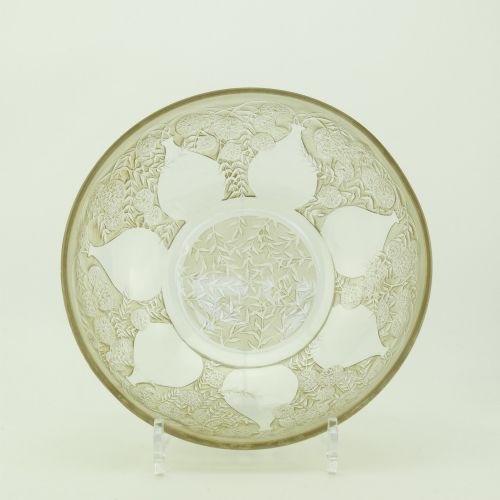
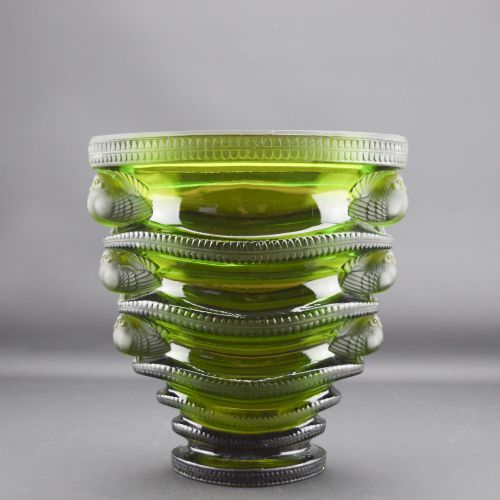
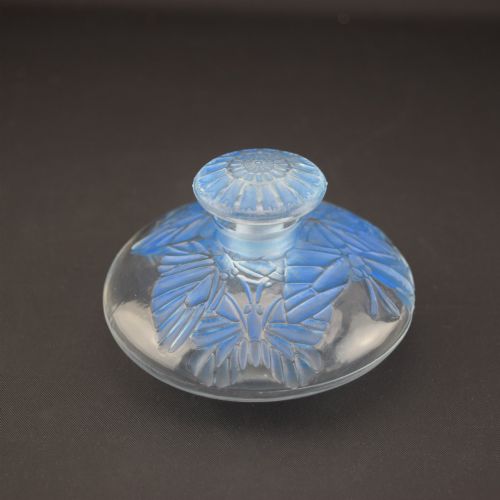
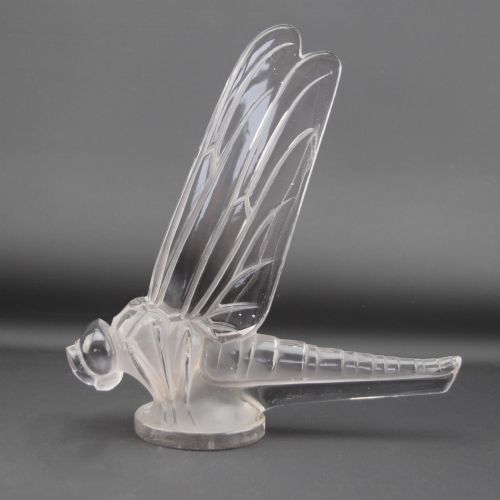
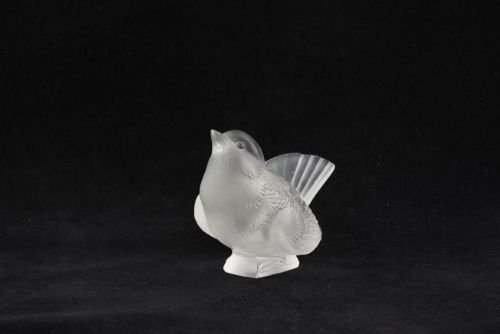
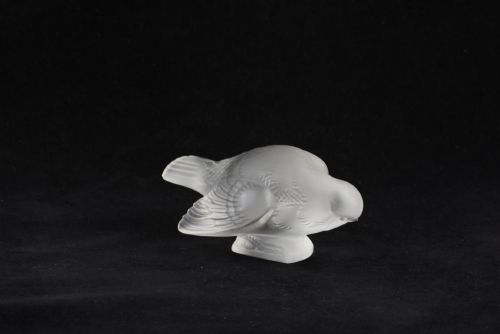
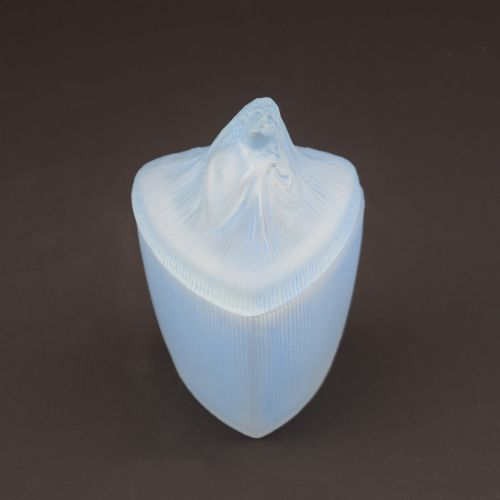
Art deco lalique glass encompasses vases, bowls, car mascots, perfume bottles and paperweights created during the early twentieth century. These objects demonstrate the distinctive aesthetic of the period through stylised flora, fauna and figural motifs.
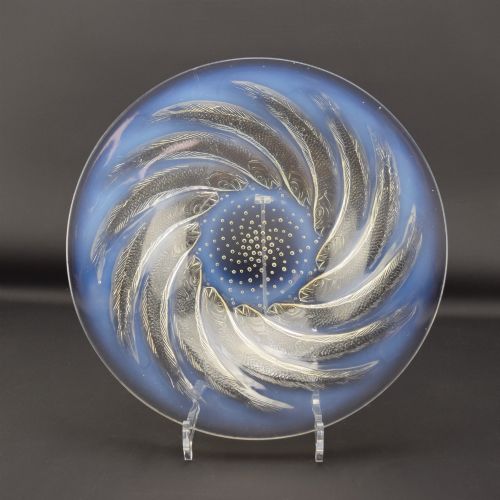
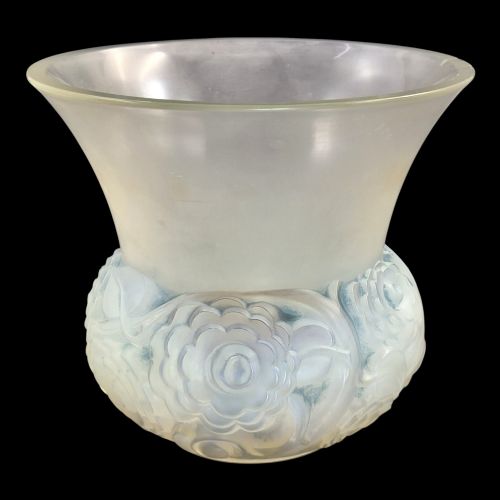
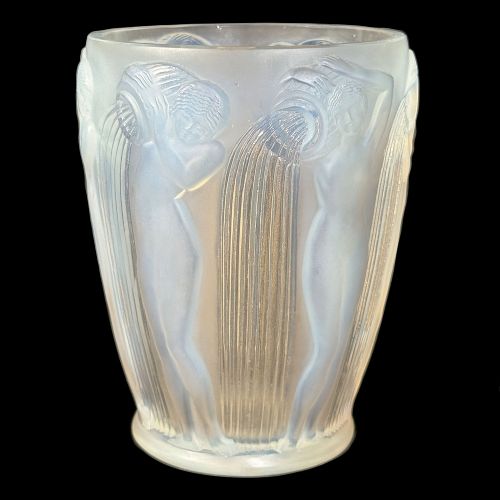
Vases and shallow bowls dominate the selection, frequently featuring opalescent or frosted finishes that catch the light. Collectors encounter functional items alongside purely decorative pieces, each bearing the hallmark of French craftsmanship from the nineteen-twenties and nineteen-thirties.
Materials and Techniques
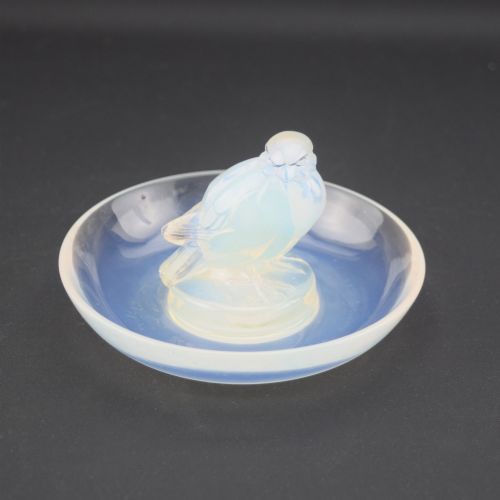
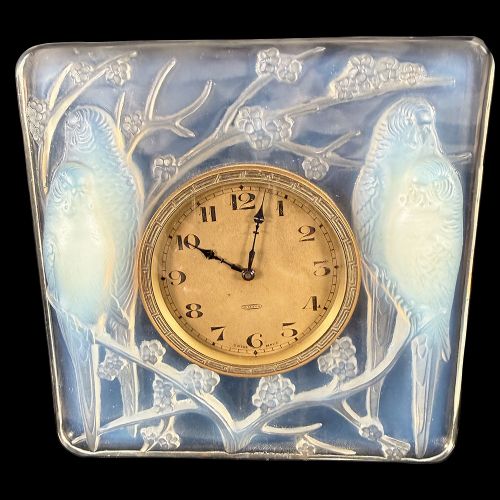
Production relies on moulded and pressed glass, often combined with frosted textures, clear crystal or metal mounts. Artisans utilised opalescent properties to create shifting blue and amber tones as light moves across the surface.
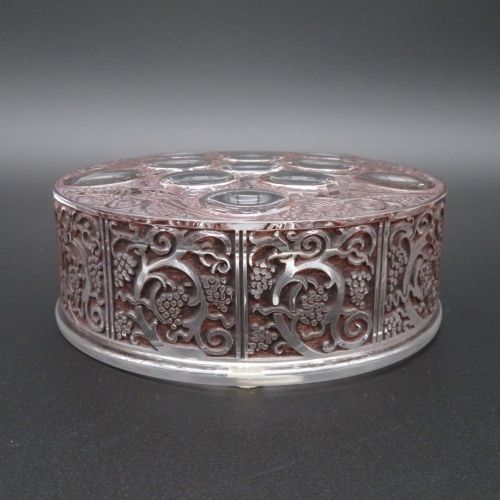
Selected pieces incorporate enamel or staining to emphasise low-relief details such as birds, insects and botanical patterns. The interplay between transparency and opacity requires precise control during the cooling process.
Listings span the Edwardian era through the nineteen-thirties, featuring clear, frosted, opalescent and coloured glass.
Quality Variations
The degree of crispness in the moulded relief distinguishes standard output from exceptional examples, where finer details remain sharp and well-defined. Depth of opalescence and the successful application of contrasting stains also influence visual impact.
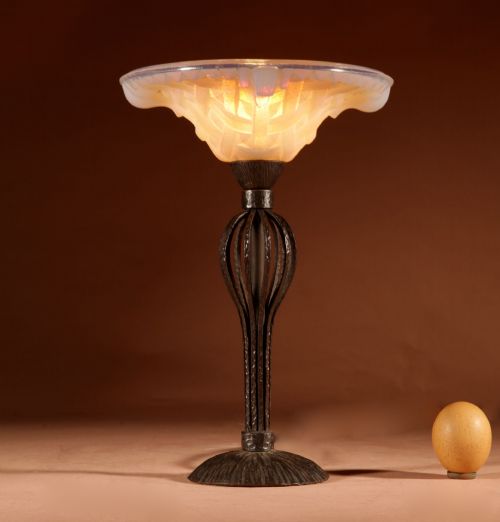
Integration with secondary materials, such as wrought iron bases or metal mounts, demonstrates the collaborative scope of individual works. Surface preservation and the subtlety of the frosting contribute to the overall presence of the piece.
Rene Lalique·Lacroix Lalique
The Art Deco Lalique Glass Glossary
- Opalescent Glass
- Glass that diffuses light to display milky blue or amber highlights depending on the angle of illumination. This optical effect is achieved through chemical additives during the melting phase.
- Frosted Glass
- A textured surface finish created by acid-etching or sandblasting to reduce transparency and diffuse light. It provides contrast against polished or clear sections.
- Car Mascot
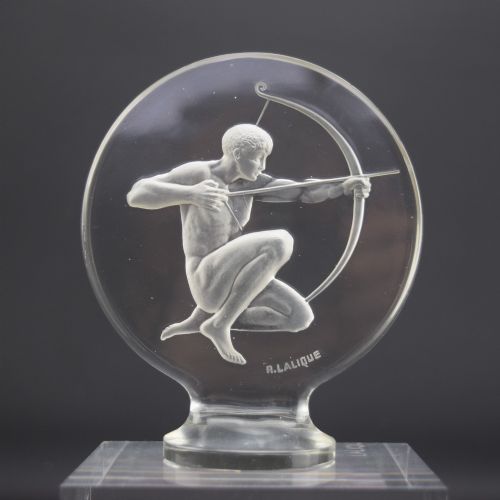
- A sculptural ornament mounted on the radiator cap of an automobile during the interwar period. These moulded glass pieces were illuminated from below in evening driving conditions.
Art Deco Lalique Glass: Frequently Asked Questions
What is art deco lalique glass?
Art deco lalique glass comprises decorative vessels, lighting and ornaments produced in France during the early twentieth century. These objects utilise moulded techniques to showcase botanical and figural subjects.
Pieces range from small desk paperweights to large chargers and vases. The aesthetic relies on the interplay of light through opalescent and frosted surfaces.
How were car mascots used?
Car mascots served as decorative radiator ornaments on luxury automobiles during the nineteen-twenties and nineteen-thirties. Owners fitted them to the front of their vehicles as personal statements of style.
Special mounting hardware secured the heavy moulded glass to the vehicle bonnet. Many drivers incorporated internal illumination to highlight the translucent material at night.
How do I identify periods?
Dating relies on stylistic markers associated with the nineteen-tens, nineteen-twenties and nineteen-thirties. Early items often reflect transitional art nouveau influences before geometric art deco forms took precedence.
Design motifs such as stylised animals, water creatures and abstract patterns help assign pieces to specific decades. Documentary records of individual models provide additional chronological context.
How should I display them?
Display arrangements benefit from positions near natural light sources to activate the opalescent and frosted qualities of the material. Placing vessels on glass shelves or near windows enhances the shifting colour tones.
Stable, level surfaces protect heavier pieces such as chargers and car mascots from accidental impacts. Direct contact with abrasive materials should be avoided to preserve surface finishes.