
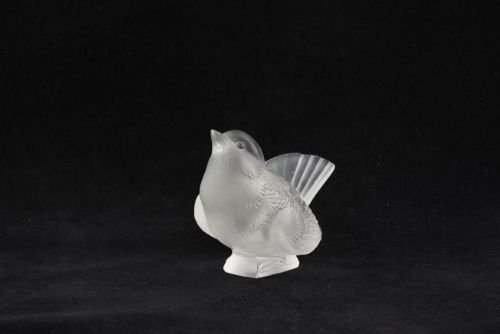
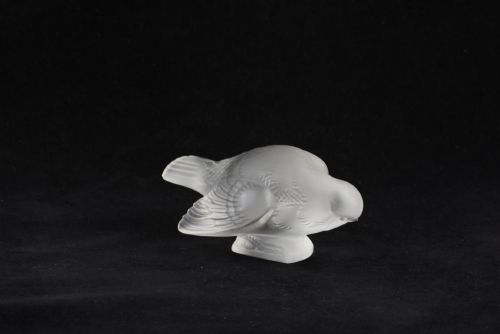

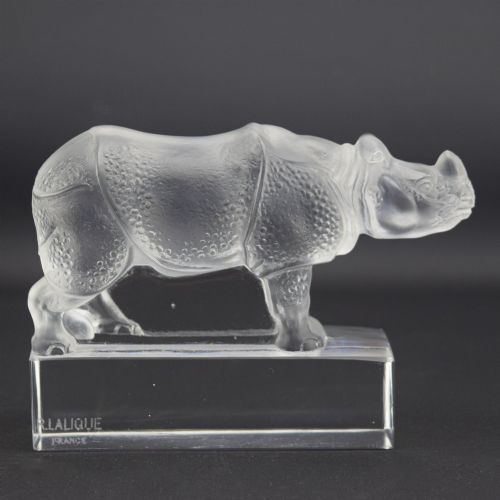


French Frosted Glass Figurine
These French frosted glass figurine pieces capture the sculptural elegance of the early twentieth century through tactile moulding and delicate translucent finishes.
French Frosted Glass Figurine
A French frosted glass figurine serves both ornamental and practical roles, appearing as paperweights, desk seals, table lamps, and car mascots. These objects reflect the sophisticated decorative arts culture of early twentieth-century France.
The pieces on this page lean heavily into the Art Deco and Art Nouveau aesthetics, spanning decades from the nineteen-tens through the nineteen-thirties. Formats range from small animal paperweights to large statuettes and sculptures.
Collectors frequently encounter representations of birds, animals, and human figures designed by prominent French makers. These items combine functional utility with high artistic design.
What varies in quality
The integration of colour, such as blue staining, and the quality of secondary materials like marble bases distinguish standard production from exceptional studio output. The depth and visual weight of the glass body dictate the overall presence of the sculpture.
Listings feature items spanning the nineteen-tens, nineteen-twenties, and nineteen-thirties, dominated by Art Deco and Art Nouveau styles.
Rene Lalique·Baccarat·Marius Ernest Sabino
The French Frosted Glass Figurine Glossary
- Frosted glass
- Glass that has been rendered translucent through acid-etching or sandblasting to create a matte surface. This treatment diffuses light and softens the sculptural contours.
- Opalescent glass
- Glass containing ingredients that cause it to milky-blue or fire-like appearance when viewed under changing light. It adds depth and iridescence to moulded figures.
- Car mascot
- A decorative sculptural ornament mounted on the radiator cap of a motor car. Many famous glass figures originated in this motoring context before being utilised as desk objects.
- Moulded glass
- Glass formed by pressing molten material into a metal or wooden mould to replicate a specific design. This method allowed makers to produce consistent sculptural shapes.
- Cachet
- A small desk seal or stamp, often featuring a carved glass top or figural handle. These items combined personal stationery use with decorative miniature sculpture.
French Frosted Glass Figurine: Frequently Asked Questions
What were French frosted glass figurines used for?
Many of these pieces served practical functions in addition to their decorative appeal, acting as paperweights, desk seals, lighting elements, or automobile mascots.
Owners placed them on desks, dressing tables, and sideboards where their tactile surfaces and sculptural forms could catch the light.
How do I identify Art Deco pieces?
Art Deco examples typically feature streamlined symmetry, stylised animal or human forms, and geometric integration with bases made of materials like marble or bronze.
The aesthetic emphasises clean lines and modern industrial materials combined with traditional craftsmanship.
What is an opalescent finish?
Opalescent glass diffuses light internally, creating milky or bluish highlights across the raised portions of the moulded design.
This optical effect shifts in tone depending on the angle of illumination and the background.
How should I display them?
Position these figures near natural light sources or on illuminated surfaces to accentuate the contrast between frosted and clear areas.
Keeping them away from high-traffic edges prevents accidental damage to delicate glass extremities.