





French Art Glass Sculpture
French art glass sculpture brings together moulded glass and metal to form lamps, car mascots, and animal figures that define the aesthetic of the early twentieth century.
French Art Glass Sculpture
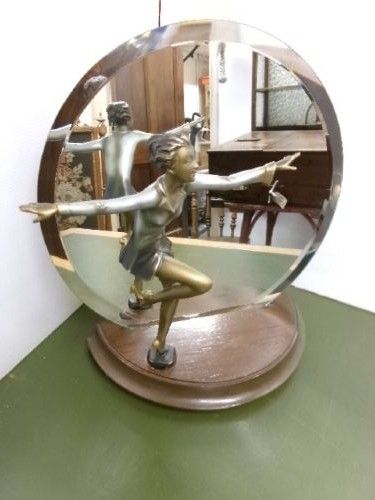
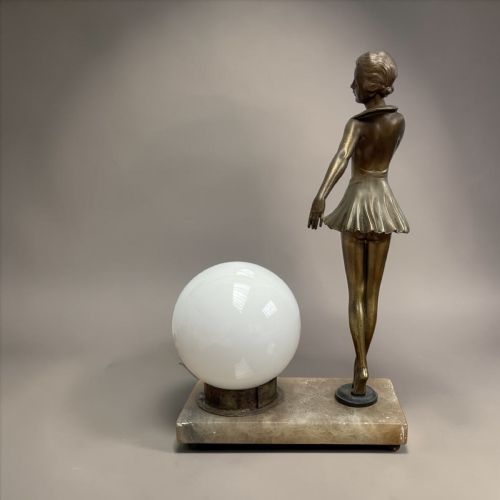
French art glass sculpture encompasses decorative items produced from the late nineteenth century through the Art Deco period, including paperweights, figurines, and lighting. Buyers searching for french art glass sculpture encounter objects that blend utilitarian function with decorative form, often taking the shape of birds, animals, human figures, and car mascots.
The most common pieces appearing in this category date from the 1920s and 1930s, reflecting the prevalence of Art Deco design. These works utilise moulded and opalescent glass, sometimes mounted on marble bases or combined with bronze and spelter fixtures.
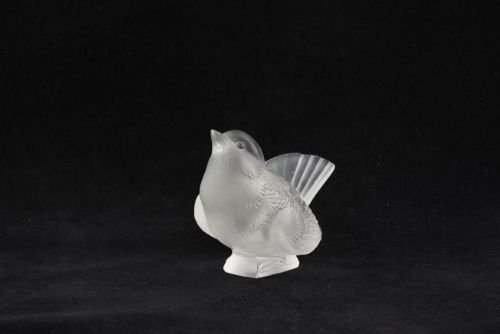
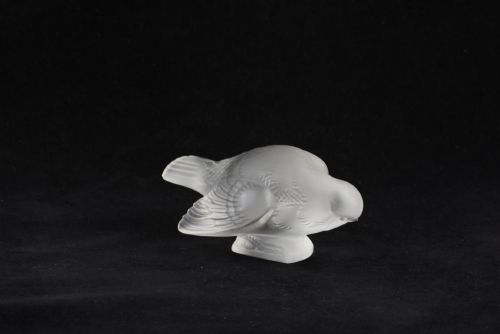
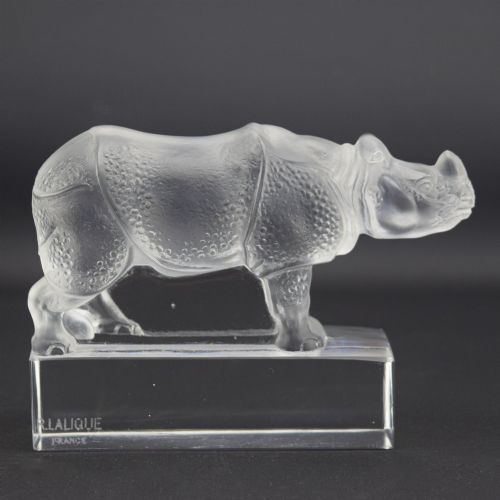
Forms range from small desk paperweights depicting sparrows and wild boars to large table lamps and architectural car mascots. Each piece demonstrates the integration of glassmaking artistry with sculptural casting typical of French workshops of the era.
How They Were Made
The creation of these sculptures relies on glass moulding techniques that allow for high relief and intricate detail. Workshops employ frosted, opalescent, and clear glass, sometimes adding blue staining or colour highlights to accentuate the contours of birds, fish, and human figures.
Many glass sculptures are mounted on solid supports such as marble bases, granite, or cast metal frames. Artists utilise bronze and spelter for figural lamp bases and structural elements, combining heavy metal casting with luminous glass components.
Listings feature frosted glass, opalescent glass, bronze, and spelter across pieces dating from the nineteenth century to the 1930s.
What Varies in Quality
The sophistication of the mounting also dictates overall standard, particularly in objects combining glass with bronze, spelter, or marble bases. Well-integrated designs maintain proportional harmony between the glass sculpture and its metal or stone support.
Rene Lalique·Etling·Lucille Sevin·Marius Ernest Sabino·Auguste Moreau
The French Art Glass Sculpture Glossary
- Opalescent Glass
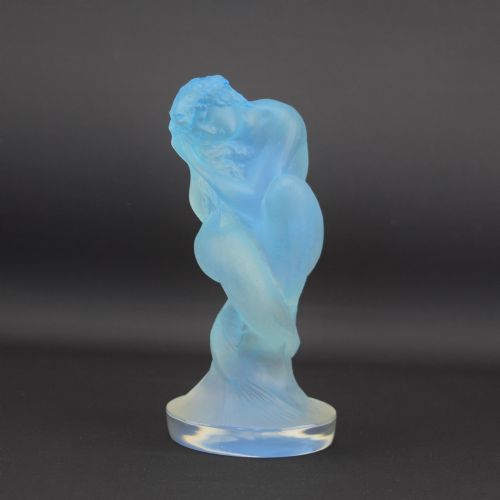
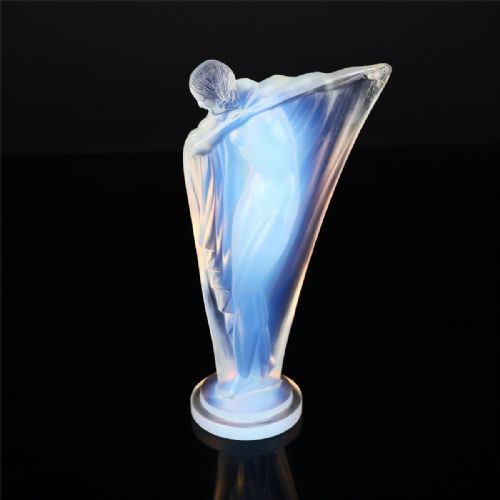
- Glass containing minerals that create a milky, semi-translucent appearance with bluish highlights under light. This effect changes appearance depending on the viewing angle and background.
- Moulded Glass
- Glass formed by pressing molten material into a metal or clay mould to create raised patterns. This technique allows for consistent production of complex sculptural shapes.
- Spelter
- An alloy of zinc and other metals used as a cheaper alternative to bronze for casting figures and lamp bases. It is frequently plated or painted to resemble bronze or silver.
- Car Mascot
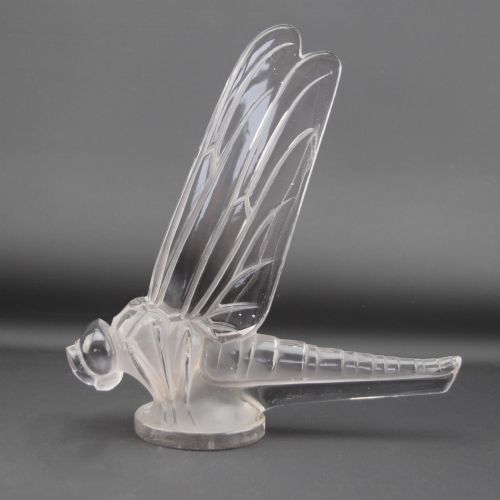
- An ornamental sculpture mounted on the radiator cap of a motor vehicle, particularly popular during the 1920s and 1930s. Many were produced in heavy glass by leading French makers.
- Cachet
- A small seal or stamp, often featuring a carved glass top used for sealing documents. These miniature sculptures combine functional utility with decorative glass art.
French Art Glass Sculpture: Frequently Asked Questions
What is a car mascot?
A car mascot is a sculptural ornament fitted to the radiator cap of a motor vehicle during the early twentieth century. Many French examples are fashioned from solid moulded or opalescent glass designed to catch the light.
These pieces were detachable and served both as personal statements for motorists and as aerodynamic ornaments on luxury automobiles.
How do I identify Art Deco style?
Art Deco pieces feature streamlined geometry, stylised animal and human forms, and symmetrical patterns. The aesthetic avoids Victorian clutter in favour of clean, purposeful lines.
In glass sculpture, this translates to simplified bird and figure designs that emphasise mass and modern elegance.
What are night lights used for?
Night lights served as low-level decorative illumination in bedrooms and hallways during the 1920s and 1930s. They combined glass shades with bronze, spelter, or marble bases.
The glowing effect highlighted the mottled opaline and frosted textures of the glass panels.
Are paperweights functional?
Paperweights were primarily decorative desk accessories designed to hold down loose documents. Sculptors shaped them into miniature figures of sparrows, mice, and wild boars.
Their heavy glass construction provided the necessary weight while displaying the maker's mastery of moulding.
What is opalescent glass?
Opalescent glass is a semi-translucent material that appears milky white with shimmering blue or amber highlights when lit. It diffuses light softly across the surface of a sculpture.
French makers utilised this optical property to give depth to feathers, drapery, and aquatic forms.