



Clear Frosted Glass Ornament
These clear frosted glass ornament pieces combine transparent and satin finishes into sculptural forms that collectors display for their tactile surfaces.
Clear Frosted Glass Ornament
A clear frosted glass ornament encompasses a range of sculptural items, including car mascots, paperweights, vases, table centrepieces, and decorative sculptures. You encounter pieces spanning from the nineteenth century into the nineteen thirties, representing Victorian, Black Forest Victorian, and Art Deco styles.
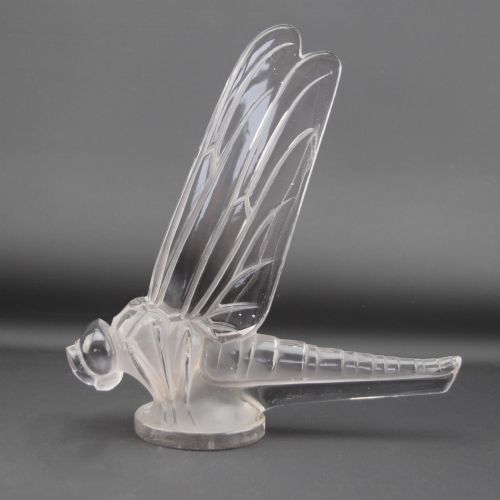
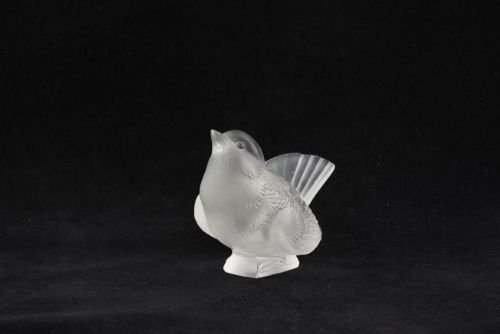
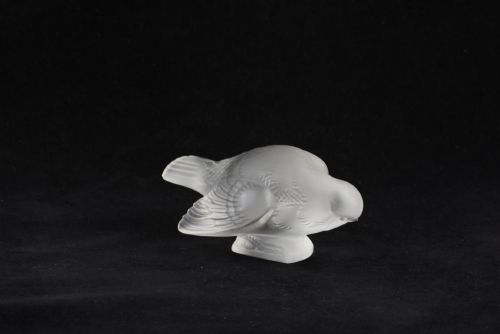
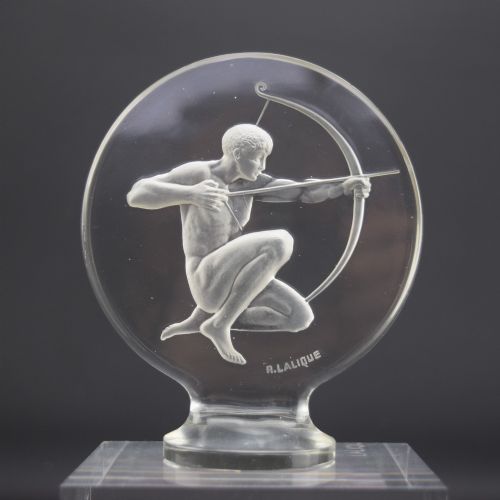
The most prominent examples on this page are French mould-blown pieces designed as animal paperweights and automotive mascots, alongside nineteenth-century table centrepieces. These objects bridge functional decorative arts and pure sculpture, making them versatile additions to a cabinet or tabletop.
Materials and construction methods
Makers utilised clear glass, crystal, cut crystal, frosted glass, moulded glass, and pressed glass to achieve contrasting surface textures. The combination of polished clear surfaces and acid-etched or frosted areas created depth and highlighted sculptural details.
Certain pieces integrate carved wood bases alongside crystal or glass elements, particularly in nineteenth-century decorative centrepieces. Moulding and pressing techniques allowed makers to produce intricate figural designs with consistent dimensions.
Early motorists boldly screwed delicate glass sparrows and archers onto their radiator caps, trusting that highway speed would not test the fragility of art.
Distinctions in craftsmanship and design
The degree of crispness in the moulded details and the subtlety of the frosting separate standard production from superior examples. Master makers achieved smooth transitions between translucent and opaque areas that catch ambient light effectively.
The integration between glass components and secondary materials, such as carved wood mounts, determines the structural integrity and aesthetic balance of composite pieces. Condition of the delicate frosted surfaces also influences the overall visual appeal.
Rene Lalique·Baccarat
The Clear Frosted Glass Ornament Glossary
- Frosted glass
- Glass treated to achieve a white, translucent appearance rather than transparency. This finish is often produced by acid-etching or sandblasting the surface.
- Moulded glass
- Glass formed by pressing molten material into a metal or wooden matrix to shape complex designs. It allows for repeated production of decorative motifs.
- Car mascot
- An ornamental sculpture mounted on the radiator cap of a motor car, popular during the early twentieth century. Many were produced in high-relief glass.
- Epergne
- A large table centrepiece featuring multiple branching holders for fruit or flowers. Nineteenth-century examples often combine crystal vessels with carved wooden stands.
Clear Frosted Glass Ornament: Frequently Asked Questions
What is a clear frosted glass ornament?
These items are sculptural glass objects designed for display, desk use, or automotive mounting. They range from small bird paperweights to large centrepieces.
Produced across the nineteenth and early twentieth centuries, they showcase the transition from Victorian decorative arts to Art Deco design.
How do I display these pieces?
Place them on flat surfaces where light can pass through the clear and frosted areas to reveal their depth. Cabinets with glass shelves and internal lighting work particularly well.
Keep them away from edge spaces where accidental knocks might damage fragile protruding elements like wings or tails.
How are car mascots different from paperweights?
Car mascots were originally manufactured to mount onto automobile radiator caps during the early twentieth century. They often feature specific attachment bases or mounting collars.
Paperweights share similar figural subjects and moulding techniques but possess flat or weighted bottoms designed for resting on desks or tables.
How do I identify Art Deco examples?
Art Deco pieces typically feature stylised natural forms, geometric symmetry, and streamlined contours. They frequently date from the nineteen twenties and thirties.
Victorian and Black Forest examples tend to incorporate more ornate organic detailing, often combining natural wood elements with crystal.