




Vintage Frosted Glass Bird
These vintage frosted glass bird figures and vessels capture light with a soft, tactile glow that transforms any mantelpiece.
Vintage Frosted Glass Bird
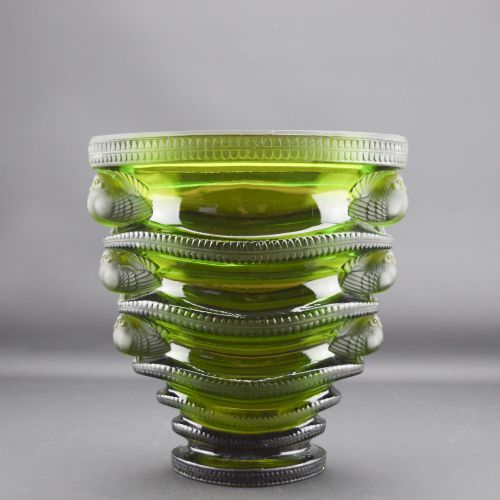
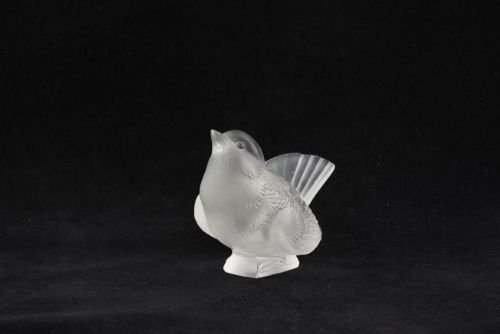
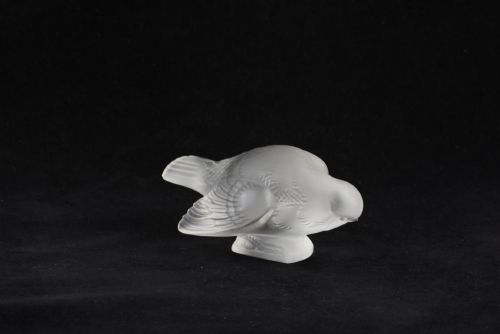
When you search for vintage frosted glass bird items, you are looking at decorative sculptures, paperweights, and lighting components originating predominantly from the Art Deco period. The selections here include iconic sparrow models such as the Moineau Moqueur, Moineau Timide, and Moineau Hardi, alongside depictions of seagulls and other avian forms.
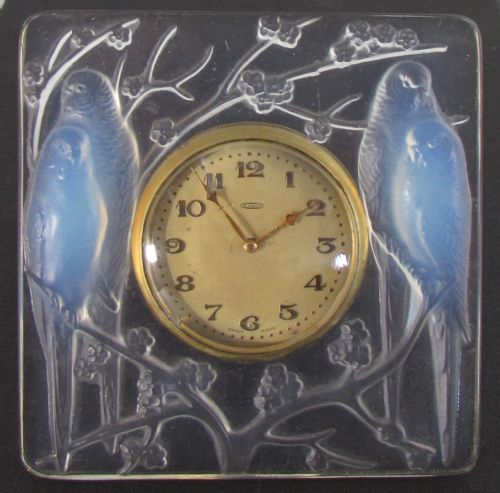
The objects span production dates from nineteen hundred through the nineteen thirties, capturing the height of French moulding and pressing artistry. Alongside freestanding paperweights, you encounter table lamps, night lights, and mantel clocks incorporating sculptural bird motifs.
French makers dominate the offerings, showcasing distinct stylistic choices that range from naturalistic bird figures perched on socles to stylized seagulls caught mid-flight. These pieces function simultaneously as utilitarian desk items and as sculptural works of decorative art.
Materials and production techniques
The primary medium is moulded and pressed glass, frequently treated to achieve a matte or satin texture known as frosted glass. Some examples incorporate opalescent glass, which shifts in tone from blue to amber depending on the light source.
Makers integrated these glass sculptures with mixed media bases, mounting frosted figures onto marble, spelter, brass, and granite. Base materials often feature veining or mottled patination that contrasts directly with the translucent quality of the bird above.
Even a humble desk bird carries a French name like Moineau Moqueur, proving that nineteen-thirties sparrows possessed sophisticated continental attitudes.
What separates examples in quality
Quality rests primarily in the crispness of the moulding and the subtlety of the surface finish. Sharp detailing on the plumage and clean definition along the edges distinguish finer pressings from simpler production runs.
The integration of the glass component with its supporting base dictates overall structural success. Examples where the frosted glass bird harmonises with materials like marble, brass, or opaline glass demonstrate greater sculptural ambition.
Rene Lalique·JOBLING OPALIQUE
The Vintage Frosted Glass Bird Glossary
- Frosted glass
- Glass treated to create a textured, matte surface that diffuses light. This finish is achieved through acid etching or sandblasting.
- Opalescent glass
- Glass containing ingredients that cause it to milky-white with an internal play of blue or orange hues when backlit. It changes appearance depending on the angle of observation.
- Moulded glass
- Glass shaped by pressing molten material into a metal or wooden matrix. This technique allows for repeatable, detailed sculptural forms.
- Spelter
- A zinc alloy frequently used in decorative metalwork during the early twentieth century. It serves as a dense, castable base material for lamps and figures.
- Socle
- A short plinth or pedestal supporting a sculpture or paperweight. It elevates the primary subject and provides a stable foundation.
Vintage Frosted Glass Bird: Frequently Asked Questions
What periods do these glass birds come from?
The pieces span the early twentieth century, with concentrations in the nineteen twenties and nineteen thirties during the height of the Art Deco movement. A few examples date to around nineteen hundred.
Production methods from these decades relied on specialised moulds and hand-finishing techniques that established the characteristic matte texture of the glass.
How were these bird sculptures used originally?
Many served as desktop paperweights, holding down correspondence while adding sculptural interest to an office or library. Others were incorporated into functional objects like table lamps, night lights, and clock faces.
Lighting applications often paired the frosted bird with brass, marble, or mottled opaline glass to diffuse the illumination.
What is the difference between frosted and opalescent glass?
Frosted glass refers to the matte, non-reflective surface finish applied to the exterior of the object, which softens incoming light. Opalescent glass describes a specific chemical composition that creates an internal colour shift, glowing blue or amber when light passes through.
Some individual pieces combine both qualities for a layered visual effect.
How do I care for vintage frosted glass?
Clean the surface gently using a soft, lint-free cloth and lukewarm water without harsh chemical detergents. Avoid submerging mixed-media pieces where glass meets marble, brass, or spelter bases, as moisture can damage the joining materials.
Handle paperweights and sculptures by their main bodies rather than protruding wings or tails to prevent accidental strain.