

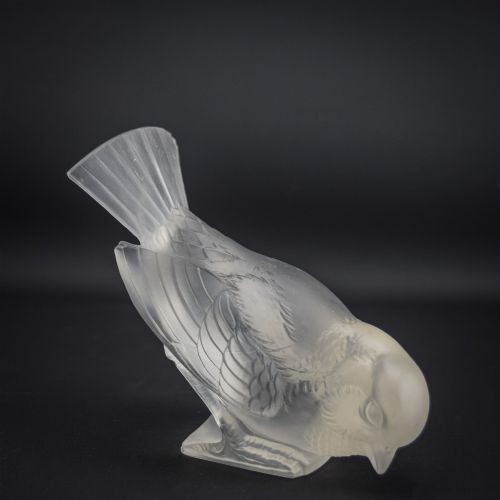
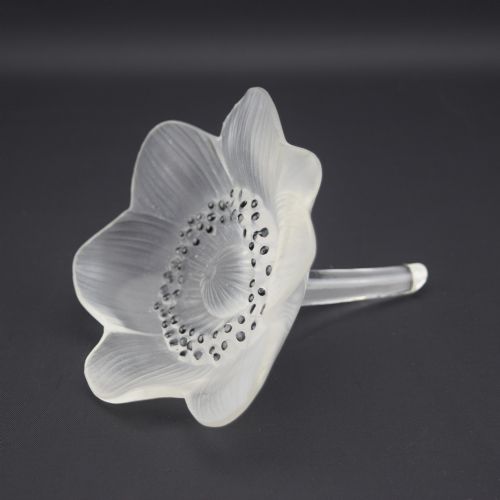
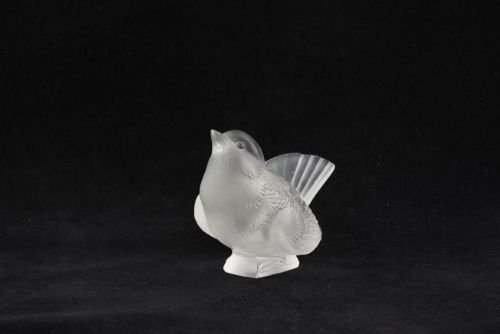
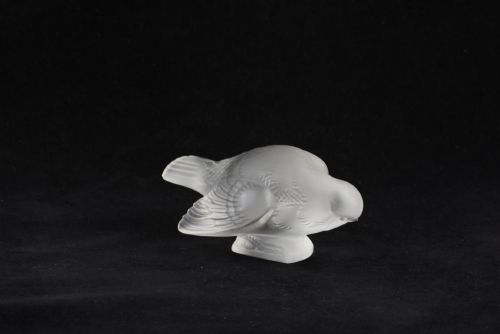


French Crystal Paperweight
These French crystal paperweights bring tactile weight and sculptural form to a desk, capturing light through clear, frosted, and lampwork glass.

French Crystal Paperweight
A French crystal paperweight sits on the desk as a practical weight or small decorative sculpture, originating primarily from Victorian and Art Deco periods.
The pieces on this page span several forms including traditional paperweights, ashtrays, pin dishes, statuettes, and desk accessories.
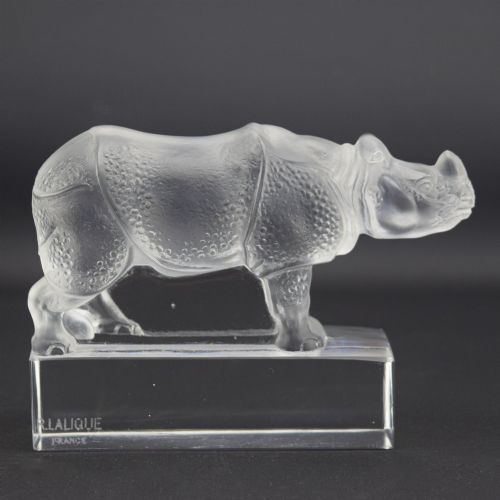
Makers utilised crystal, clear glass, frosted glass, and lampwork techniques to shape subjects ranging from birds and animals to botanical studies.
Materials and construction
Craftsmen shaped clear and frosted glass through moulding and facet cutting, creating precise edges and smooth contours.
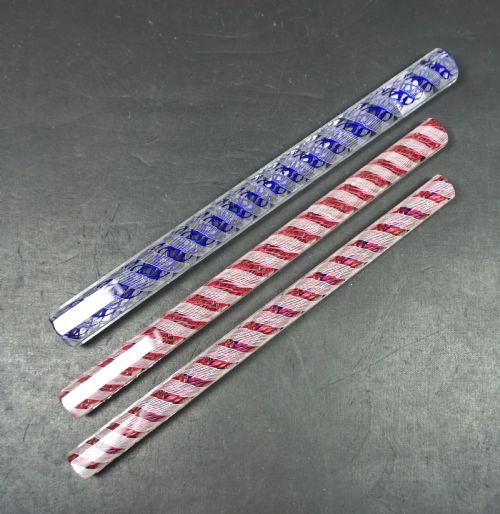
Lampwork glass introduced intricate floral motifs, such as pansies, encased entirely within clear crystal domes.
French Crystal Paperweight Retail Price Guide 2026
Typical asking prices for french crystal paperweight among the pieces listed under this phrase on Sellingantiques today, from the lower quarter to the upper quarter. They describe what is for sale here now, not the wider market.
The inventory spans Victorian and Art Deco styles, featuring mid-nineteenth-century work alongside nineteen-thirties pieces.
Judging quality and execution
Quality rests in the crispness of the moulded detail, particularly how cleanly the frosted surfaces contrast with polished clear crystal.
The precision of facet cutting and the depth of the glass determine how light travels through each piece.
Rene Lalique·St. Louis·Baccarat
The French Crystal Paperweight Glossary
- Frosted glass
- Glass treated to achieve a matte, non-reflective surface texture. This finish highlights sculptural relief details.
- Lampwork
- A technique where glass rods are melted over a torch and shaped by hand. It creates detailed interior motifs like flowers.
- Facet cut
- Geometric polished flat planes cut into the surface of the glass. This catches and reflects light from multiple angles.
- Moulded crystal
- Crystal shaped by pouring molten material into a prepared form. It allows for consistent repeating sculptural designs.
French Crystal Paperweight: Frequently Asked Questions
What periods do these pieces date from?
The pieces span from the mid-nineteenth century through the Art Deco era of the early twentieth century.
Victorian examples date around eighteen-fifty to eighteen-sixty, while later works typically date around nineteen-thirty.
How were these glass objects used originally?
They served functional roles on nineteenth and twentieth-century desks to hold papers in place or organise small items.
Many also functioned purely as decorative sculptures, ashtrays, or pin dishes in sitting rooms and studies.
What materials are most common?
Clear glass and crystal form the foundation for most pieces, often paired with frosted sections to create visual contrast.
Some examples incorporate specialised techniques like lampwork to suspend coloured floral details inside the glass.
How do I care for crystal on a desk?
Keep the pieces out of direct sunlight and clean them gently with lukewarm water and a soft cloth.
Avoid harsh abrasives, particularly on frosted or moulded surfaces where texture needs protection.