




Rene Lalique Glass Bird
Rene lalique glass bird figures are exquisite decorative sculptures and paperweights capturing avian forms through brilliant moulded techniques from the early twentieth century.

Rene Lalique Glass Bird
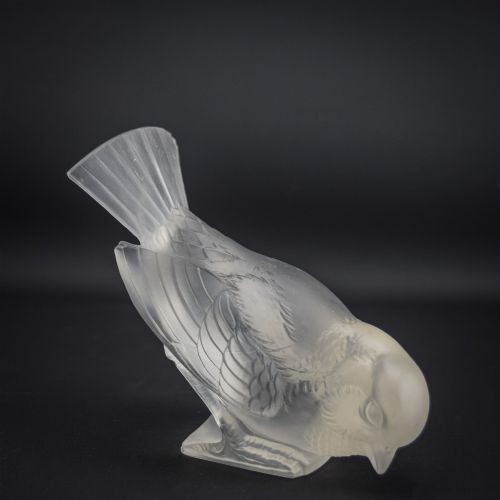
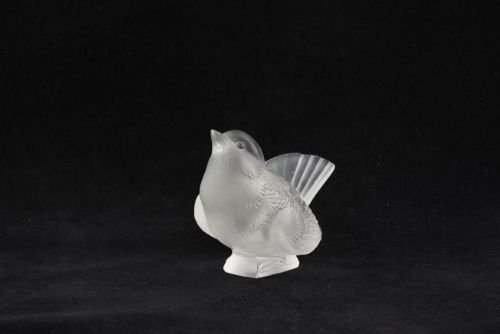
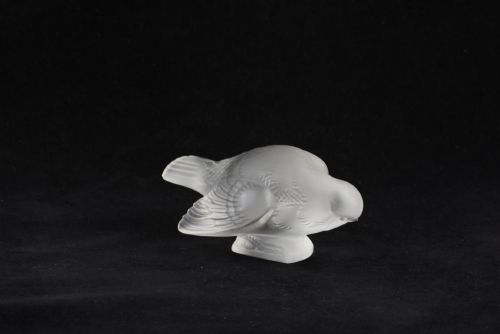
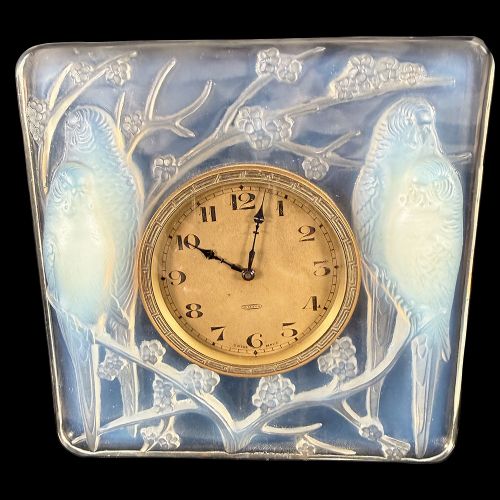
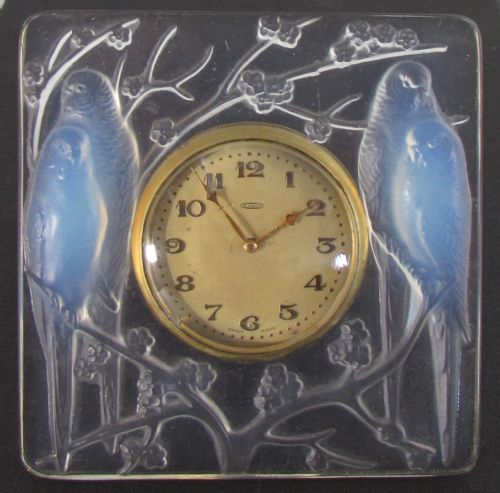
A rene lalique glass bird typically appears as a small decorative sculpture, paperweight, or clock element representing sparrows, lovebirds, or parrakeets. These pieces emerge predominantly from the nineteen twenties and nineteen thirties, showcasing the distinctive artistic output of the celebrated designer.
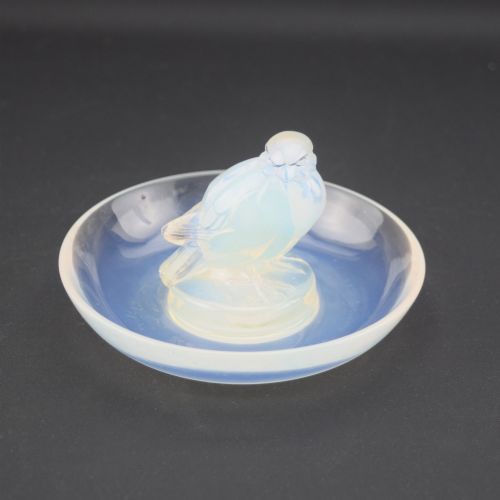
Collectors frequently encounter sparrow models such as moineau hardi, moineau moqueur, and moineau timide, alongside other avian forms like the chardonneret hardi. These tactile objects function simultaneously as functional paperweights, ashtrays, or sculptural accents within an interior scheme.
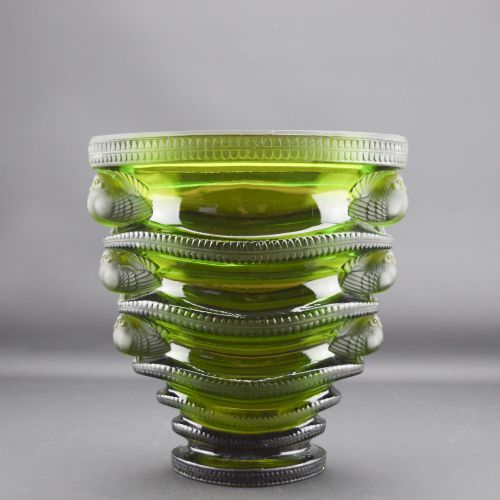
The objects span from early twentieth century productions through to the height of the Art Deco period. While some examples exist as independent desk figures, others integrate into larger clock housings or architectural glass compositions.
Production Methods and Materials
Makers utilised moulded glass, pressed glass, and crystal to achieve precise sculptural contours, often enhancing the dimensional effect with frosted finishes. The interplay between clear and textured surfaces defines the visual depth of each avian subject.
Rene Lalique Glass Bird Retail Price Guide 2026
Typical asking prices for rene lalique glass bird among the pieces listed under this phrase on Sellingantiques today, from the lower quarter to the upper quarter. They describe what is for sale here now, not the wider market.
Listings span the nineteenth and twentieth century transition up to the late nineteen thirties, dominated by moulded and opalescent glass.
Assessing Quality and Execution
The intensity and uniformity of opalescence significantly influence the visual appeal of an object, as does the careful application of coloured staining within the recessed areas. Depth of colour and subtlety of light diffusion separate standard production from exceptional studio output.
Rene Lalique
The Rene Lalique Glass Bird Glossary
- Opalescent Glass
- Glass that displays a milky, iridescent quality, shifting in colour when viewed from different angles. This effect is achieved through chemical additives during the melting process.
- Frosted Glass
- Glass treated to achieve a textured, matte surface rather than a transparent finish. This technique highlights sculptural details by diffusing light across the raised portions.
- Moulded Glass
- Glass formed by pressing molten material into a metal or wooden matrix to create specific shapes. It allows for consistent replication of complex decorative motifs.
- Pressed Glass
- Glass shaped by mechanical pressure in a metal mould using a plunger. The process produces sharp exterior patterns and smooth interior surfaces.
- Paperweight
- A small, heavy object placed on loose documents to prevent them from scattering. In this context, they double as miniature animal sculptures.
Rene Lalique Glass Bird: Frequently Asked Questions
How do I identify opalescent glass?
Opalescent glass exhibits a milky quality that catches blue or amber highlights when illuminated from the front, turning warmer when lit from behind. This optical property results from specific cooling agents mixed into the batch.
It remains one of the defining characteristics of the designer's work from the interwar period.
Were these objects purely decorative?
While many served as ornamental sculptures, several pieces fulfilled practical functions on a desk or dressing table. Examples include paperweights, ashtrays, and figural elements integrated into mantel clocks.
This blend of utility and artistry defined luxury goods during the Art Deco era.
How should I display these glass figures?
Placing these objects near a dedicated light source allows the frosted and opalescent surfaces to diffuse illumination effectively. Natural daylight from a side angle helps reveal the subtle relief of the moulded feathers.
Care should be taken to position them on stable, flat surfaces away from heavy foot traffic.