




Vintage Lalique Glass Bird
Vintage lalique glass bird figures bring master glasswork into the home, capturing Art Deco form through frosted and opalescent detail.

Vintage Lalique Glass Bird
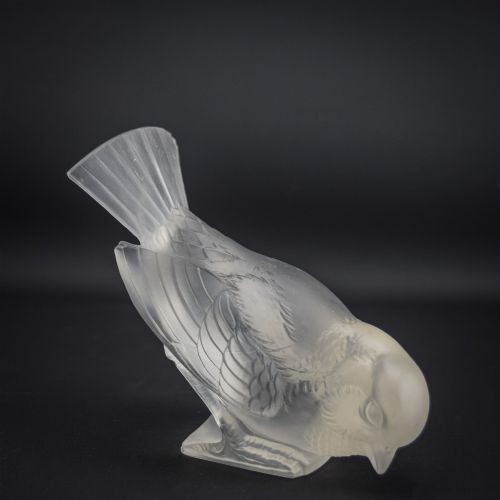
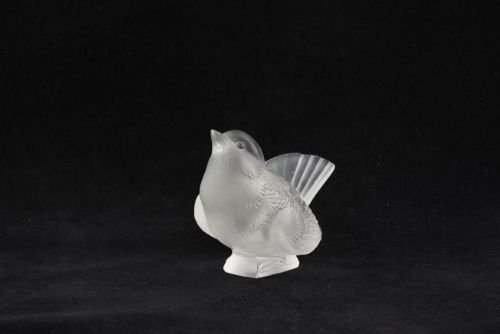
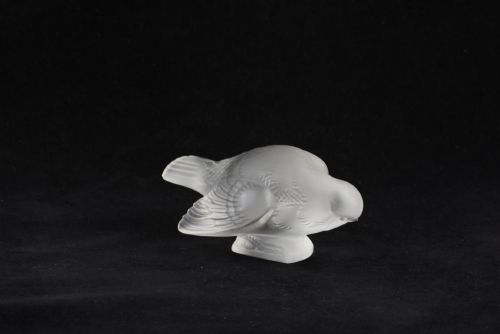
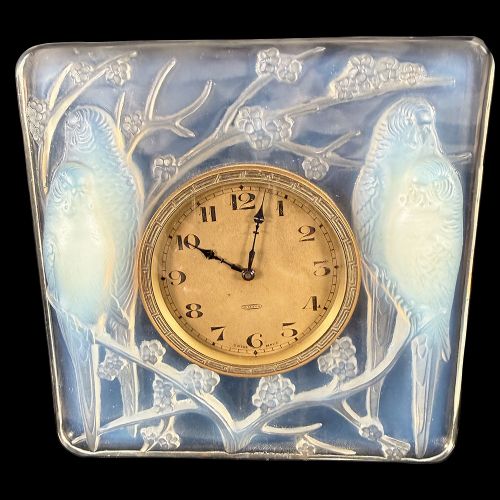
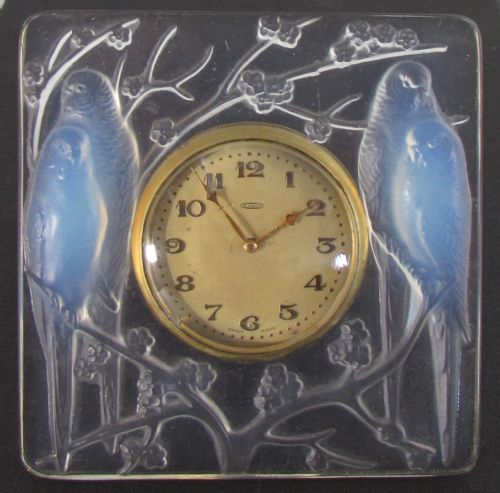
When you search for vintage lalique glass bird figures, you encounter decorative sculptures, paperweights, ashtrays and clocks that showcase early twentieth century design. These pieces often take the form of sparrows, love birds and parakeets produced in the Art Deco style.
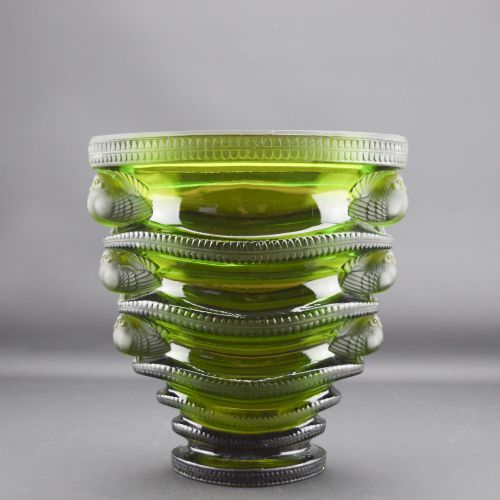
The selection on this page centres primarily on works by Rene Lalique from the nineteen twenties and thirties. Buyers most frequently meet sparrow studies such as the Moineau Hardi, Moineau Moqueur and Moineau Timide, alongside integrated bird motifs on clocks and vases.
How they were made
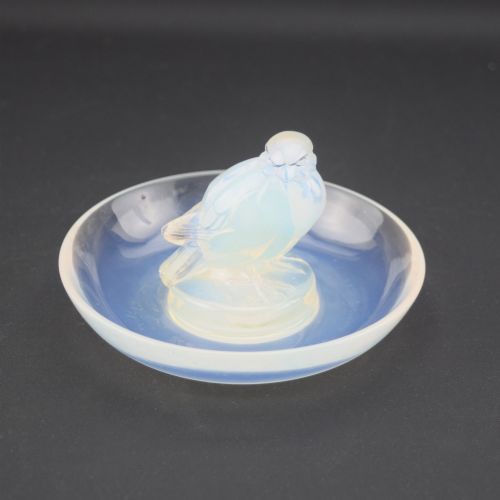
Makers utilised moulded glass, pressed glass and crystal to shape each bird figure, frequently applying blue staining to accentuate the carved details. Frosted glass and opalescent glass finishes catch the light, giving the material a luminous quality characteristic of the period.
Metal mounts occasionally support the glass components, as seen on pieces featuring socles and clock mechanisms. The combination of opalescent glass with stained accents demonstrates the technical precision employed in these workshops.
Vintage Lalique Glass Bird Retail Price Guide 2026
Typical asking prices for vintage lalique glass bird among the pieces listed under this phrase on Sellingantiques today, from the lower quarter to the upper quarter. They describe what is for sale here now, not the wider market.
Sparrows dominate the avian lineup under names like Moineau Hardi, proving that humble garden birds inspired some of the finest Art Deco glass.
What varies in quality
The sophistication of the mould and the clarity of the frosted or opalescent finish determine the visual impact of each sculpture. Subtle variations in the application of blue staining alter the depth and contrast of the carved plumage.
Integration of the glass bird with functional elements like clocks, ashtrays or paperweight socles demands precise coordination of materials. The handling of the Art Deco style ranges from simple figural studies to complex multi-bird compositions.
Rene Lalique
The Vintage Lalique Glass Bird Glossary
- Opalescent glass
- Glass that displays milky, bluish or pearlescent hues when viewed in reflected light. This optical effect shifts tone depending on the angle of illumination.
- Frosted glass
- Glass rendered opaque through acid etching or sandblasting to create a matte texture. This finish highlights sculptural contours and shadows.
- Moulded glass
- Glass shaped by being pressed into a form or mould to produce specific decorative reliefs. It allows for consistent replication of intricate avian forms.
- Pressed glass
- Glass formed under mechanical pressure within a metal mould. The technique enables sharp delineation of feathers and botanical details.
- Art Deco
- The dominant design style of the nineteen twenties and thirties characterised by stylised motifs and geometric symmetry. It heavily influences the silhouette of these glass pieces.
Vintage Lalique Glass Bird: Frequently Asked Questions
What is a vintage lalique glass bird paperweight?
A heavy sculptural figure designed to hold down paper while displaying decorative avian forms. These items frequently depict sparrows in various poses.
Created during the early twentieth century, they serve as functional objects and sculptural art.
How do I identify a period lalique piece?
Examine the material for characteristic opalescence, frosted surfaces and blue staining. Signature marks and stylistic adherence to Art Deco design aid verification.
Consider the specific bird species and form recorded in the title to determine production eras.
Where were these glass birds displayed?
Owners placed them on desks as paperweights, mounted them on clocks for mantel displays, or used them as decorative sculptures on tabletops. Ashtrays and small dishes also incorporated figural birds.
They functioned as refined decorative accessories in domestic interiors.
What materials make up these sculptures?
Moulded glass, crystal and pressed glass form the primary body of each piece. Opalescent and frosted finishes are standard across the items.
Metal elements occasionally appear on clocks and socles to support the glass.