




Clear Glass Sculpture
A clear glass sculpture brings luminosity and crisp definition to a room, catching the light in ways heavier materials cannot manage.
Clear Glass Sculpture
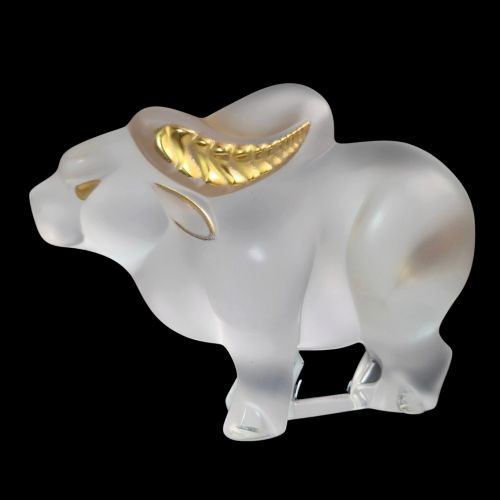
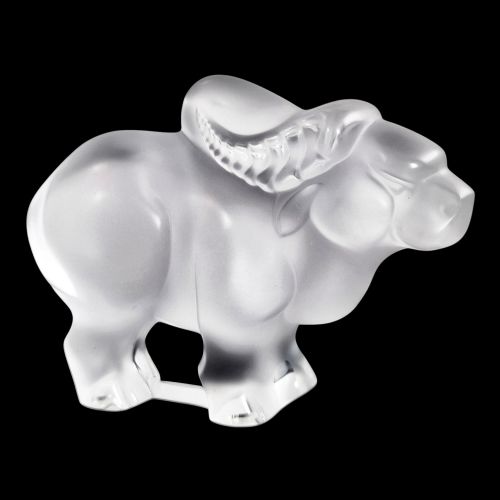
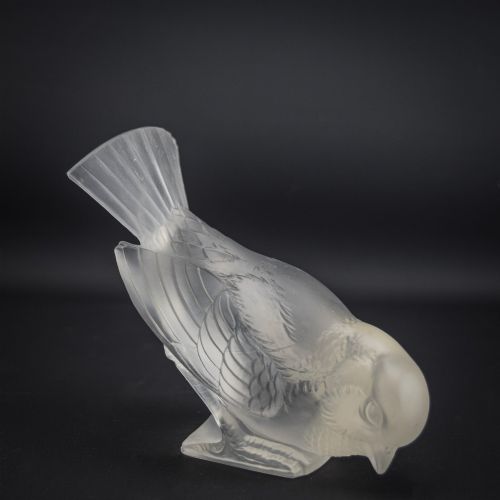
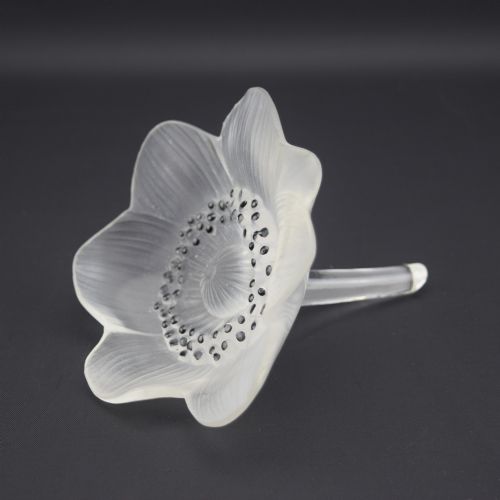
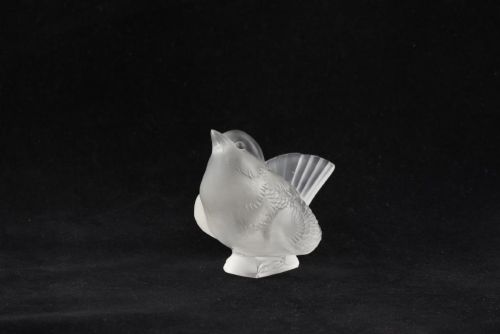
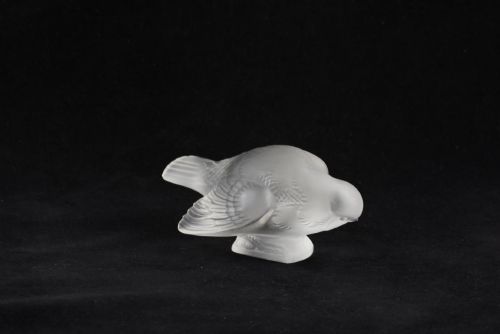
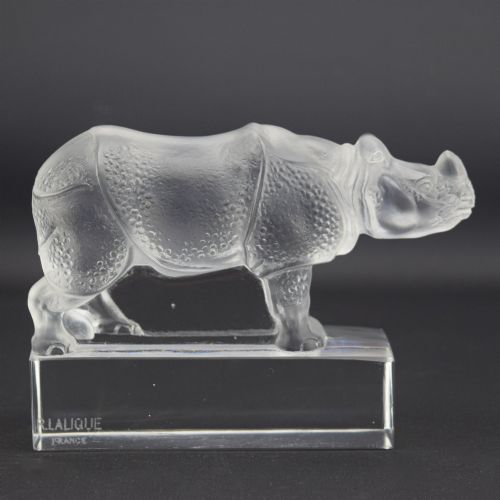
When you search for clear glass sculpture, you enter a domain defined primarily by twentieth-century figures, animal paperweights, and decorative objects. The examples you encounter span from the nineteenth century into the 1930s, embracing Art Deco, Art Nouveau, and folk art traditions. The majority of pieces on this page lean heavily towards French production from the interwar decades, featuring pressed and moulded forms alongside lampwork.
The objects take many shapes, from stylised birds and car mascots to desk seals and intricate items housed within bottles. Animal subjects dominate the selection, often capturing birds, rodents, and larger beasts with notable economy of line. Alongside these sculptural figures, one finds traditional folk art items like bottled whimsies and carved finials, demonstrating the wide scope of glass and glass-associated craft across these periods.
What Varies in Quality
Quality rests upon the crispness of the moulding and the clarity of the material itself. Superior pieces exhibit sharp, well-defined feather or facial details without the blurring or rounding off common in secondary casts. The purity of the glass or crystal also dictates the optical brilliance, with finer items possessing high transparency and even distribution throughout the mass.
The finesse of secondary finishing marks the difference between standard production and exceptional examples. Hand-polishing of specific areas, subtle staining to highlight textures, and the harmonious integration of glass with materials like wood or socles separate the notable works from ordinary items. Maker attribution and the precision achieved in complex animal or human forms ultimately elevate a piece within the range.
Clear Glass Sculpture Retail Price Guide 2026
Typical asking prices for clear glass sculpture among the pieces listed under this phrase on Sellingantiques today, from the lower quarter to the upper quarter. They describe what is for sale here now, not the wider market.
Listings feature items spanning from the 1890s through the 1930s, incorporating Art Deco, Art Nouveau, and folk art aesthetics.
Rene Lalique·Marius Ernest Sabino·Bimini
The Clear Glass Sculpture Glossary
- Car Mascot
- An ornament mounted on the radiator cap of an automobile, particularly popular during the Art Deco period. These figures were often cast in clear and frosted glass.
- Lampwork
- A technique where a torch or lamp is used to melt glass rods and tubes, allowing the artisan to shape them manually. This method produces intricate, delicate forms.
- Pressed Glass
- Glass shaped by pressing molten metal into a mould using a plunger. This mechanical process permits rapid production of patterned and dimensional items.
- Socle
- A short plinth or pedestal supporting a sculpture, statuette, or paperweight. It provides a stable base and lifts the primary object into better view.
Clear Glass Sculpture: Frequently Asked Questions
What is a car mascot?
A car mascot is an ornamental hood ornament fitted to the front of automobiles during the early twentieth century. Makers produced these in moulded glass to catch the daylight and illuminate with vehicle lamps.
Over time, these functional ornaments transitioned from automotive accessories into collectible desk sculptures and cabinet pieces. Their robust construction allowed them to survive outside the vehicle long after their motoring days ended.
How do I identify Art Deco glass?
Art Deco glass typically displays stylised geometric lines, symmetry, and stylised animal or human subjects. The forms are clean and sculptural rather than overly ornate.
This aesthetic dominated the 1920s and 1930s, favouring high-relief moulding and contrasting frosted finishes. Pieces from this era often carry signatures or moulded marks from prominent workshops of the period.
What is lampwork glass?
Lampwork glass is created by melting rods of glass over a focused flame and manipulating them by hand. This technique allows artists to produce highly detailed, diminutive figures with complex shapes.
Because the work is done freehand or with basic tools, each lampwork sculpture bears unique variations. The method suits small, intricate animals and delicate botanical elements particularly well.
Are all clear glass sculptures signed?
Not all pieces carry a signature or maker mark. Many production items relied on removable paper labels that were lost through handling and cleaning.
Unsigned pieces are judged on the quality of the glass, the sharpness of the mould, and the style of the work. Attribution then depends on stylistic comparison with documented examples from the same period.