


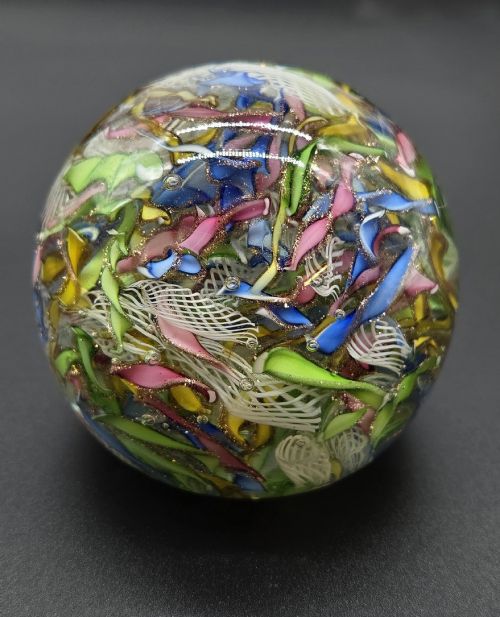

Vintage Glass Paperweight
These vintage glass paperweight designs span Art Deco and Victorian eras, bringing tactile weight and decorative form to desks.
Vintage Glass Paperweight
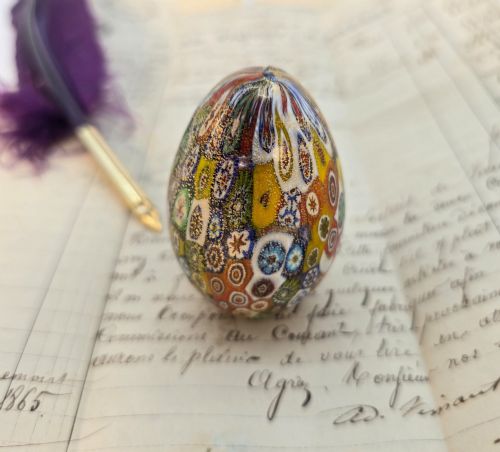
A vintage glass paperweight serves primarily as a desk accessory, holding down loose papers while providing a distinct decorative focal point. When exploring this phrase, buyers encounter various forms ranging from moulded animal figures to traditional multi-coloured millefiori compositions.
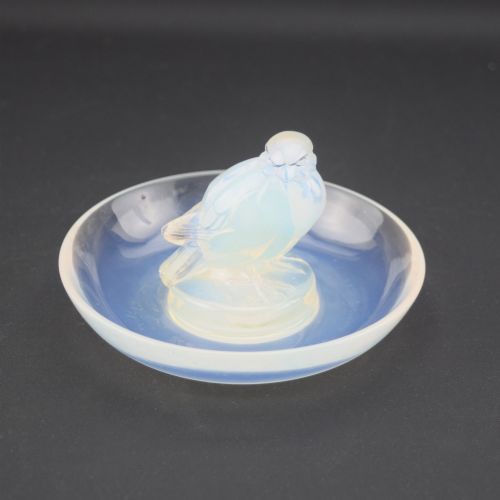
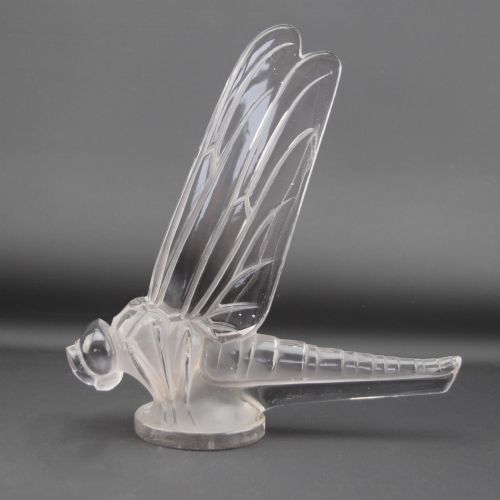
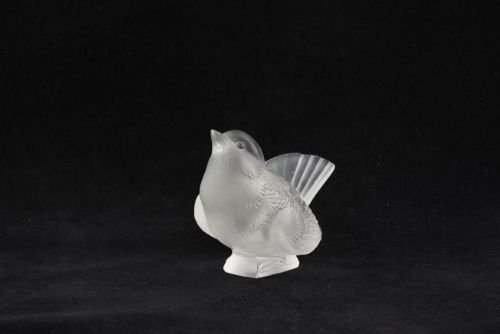
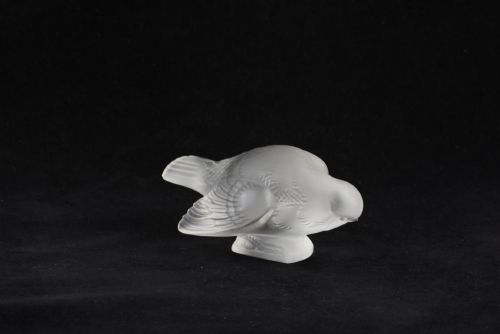
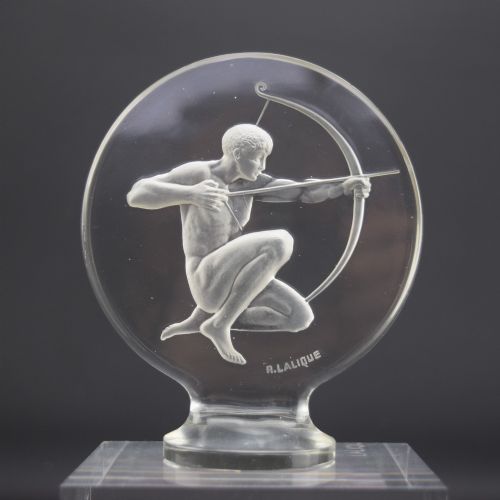
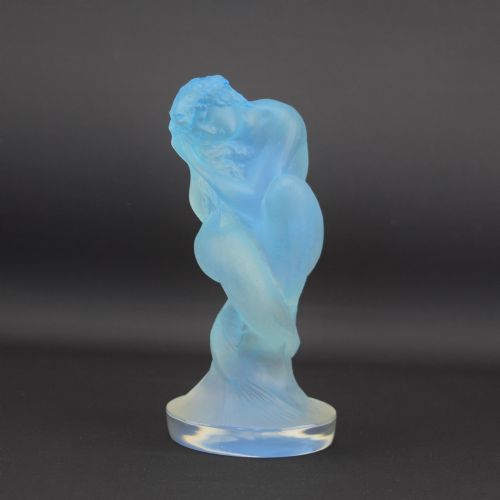
The selection on this page relies heavily on early twentieth-century French production, particularly opalescent moulded figures that double as desk items and car mascots. Alongside these, Italian Murano pieces and English brass-mounted magnifying items populate the category.
Moulded glass sparrows, elephants, and botanical dishes dominate the available styles, often originating from the 1920s and 1930s. Victorian examples also appear, represented by detailed floral paperweights from makers such as Baccarat.
Materials and production methods
Makers utilised frosted, clear, and opalescent glass, often combining moulded glass bodies with metal mounts in brass or silver plate. The technique frequently involved pressing molten material into complex iron moulds to achieve high-relief animal and figurative designs.
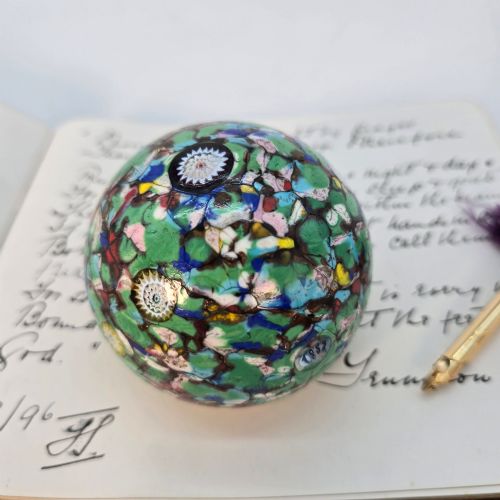
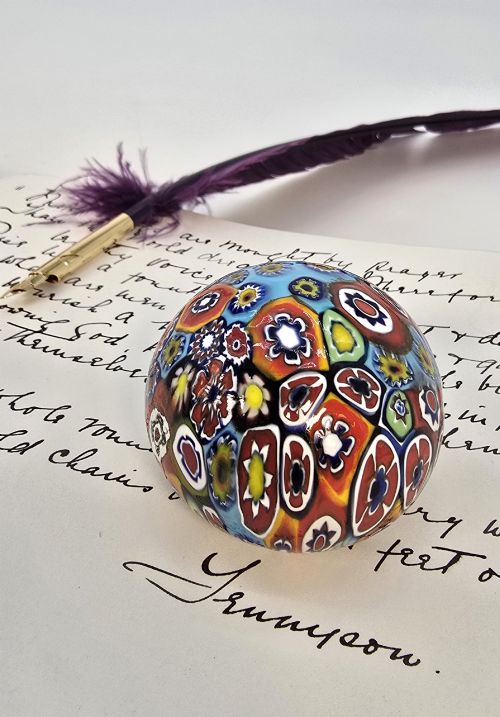
Many items incorporate specialised colour treatments, including blue stains or amber hues, to accentuate the depth of the moulded details. Millefiori examples required the careful arrangement of multi-coloured glass canes fused together within a clear dome.
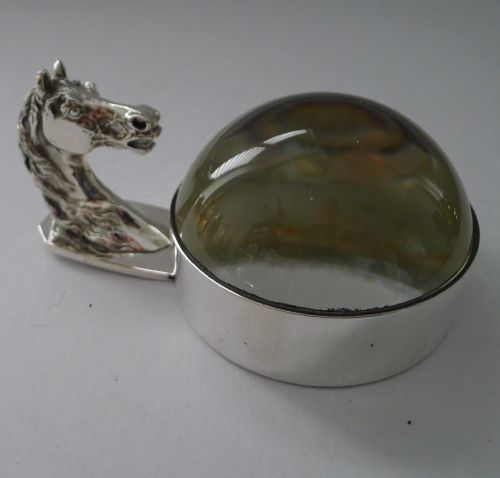
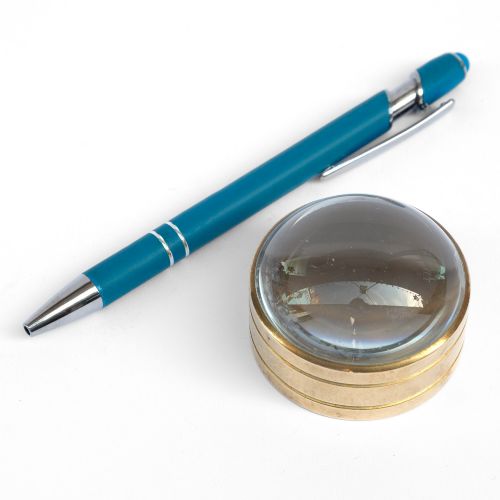
Desk accessories often integrated functional elements like magnifying lenses or sterling silver rulers, blending utility with decorative glass craftsmanship.
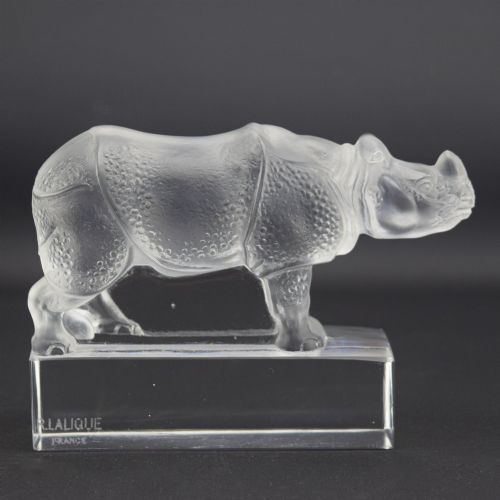
Desk accessories range from ferocious wild boars and rhinos to delicate sparrows and frogs, ensuring every paper pile has an appropriate animal guardian.
Evaluating craftsmanship and condition
The quality of the glass material itself dictates the visual appeal, particularly in opalescent pieces where the interplay of light and milky blue tones creates depth. Even distribution of colour stains and the absence of distracting surface flaws elevate certain pieces above others.
Mounting hardware, such as solid brass bases or sterling silver components, adds structural integrity and material richness that enhance the overall weight and presence of the desk accessory.
Rene Lalique·Hermes Paris
The Vintage Glass Paperweight Glossary
- Opalescent glass
- A milky, translucent glass that displays blue tones when viewed by reflected light and warm amber tones by transmitted light. This optical property creates a glowing, luminous effect in moulded figures.
- Millefiori
- A glasswork technique involving thousands of colourful cross-sections of glass canes fused together in patterns. These intricate arrangements often form floral motifs inside solid glass domes.
- Car mascot
- An ornamental hood ornament mounted on vintage automobiles that was frequently repurposed as a desk paperweight. Many iconic glass designs served both automotive and desktop functions.
- Moulded glass
- Glass shaped by pressing molten material into a metal or wooden mould. This technique allowed manufacturers to produce consistent sculptural forms in high volume.
- Cachet
- A small seal or stamp, often featuring a carved glass base used with sealing wax. These desk accessories combine functional marking tools with decorative sculptural tops.
Vintage Glass Paperweight: Frequently Asked Questions
What is a vintage glass paperweight used for?
These objects function primarily as heavy desk accessories designed to keep loose papers secure on a writing table. Beyond utility, they serve as sculptural decorative art pieces.
Collectors display them on desks, bookshelves, and mantelpieces to showcase period craftsmanship and distinct coloration.
How do I identify Art Deco paperweights?
Art Deco pieces typically feature stylized animal forms, geometric lines, and characteristic moulded glass textures from the 1920s and 1930s. They often employ opalescent or frosted finishes to highlight the sculptural details.
Makers from this period frequently incorporated signature motifs such as birds, fish, and figurative statuary into functional desk items.
Are car mascots different from paperweights?
Many glass car mascots from the early twentieth century were subsequently mounted on socles or bases to serve as desk paperweights. The initial design was intended for automobile bonnets, but their heavy glass construction made them suitable for interior display.
Listings often cross-reference these items because collectors utilise them interchangeably for desktop decoration.
What does millefiori mean on a paperweight?
Millefiori translates to a thousand flowers, describing glass packed with multi-coloured patterned canes arranged in geometric or floral designs. These paperweights are typically encased in clear magnifying glass domes.
Originating largely from traditional glassmaking centres like Murano, these pieces emphasise intricate glass-pulling techniques rather than moulded figures.