



Collectible Glass Paperweights
Collectible glass paperweights bring dense colour and intricate form to a desk, uniting decades of studio skill in small, tactile objects.
Collectible Glass Paperweights
When you search for collectible glass paperweights, you encounter desk accessories and decorative objects dating mainly from the 1920s and 1930s. The selection spans utilitarian forms, frosted display pieces, and items originally mounted for desk use.
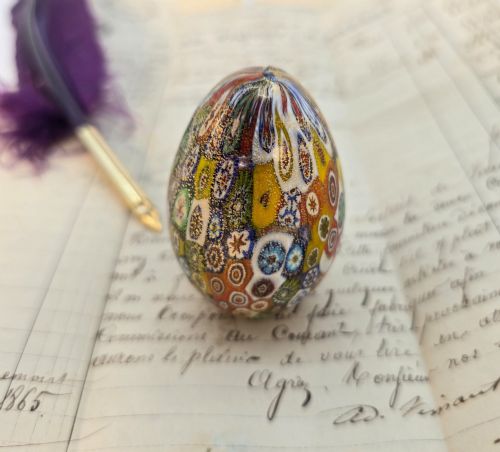
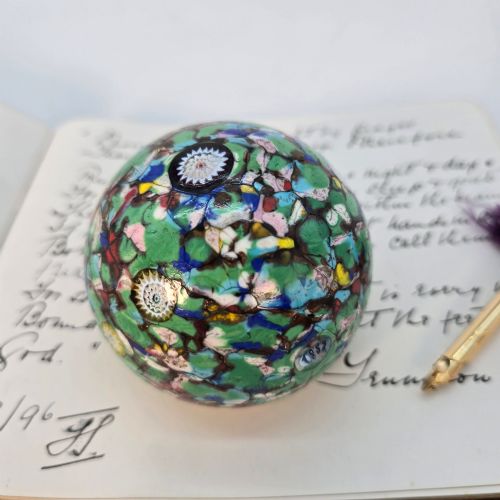
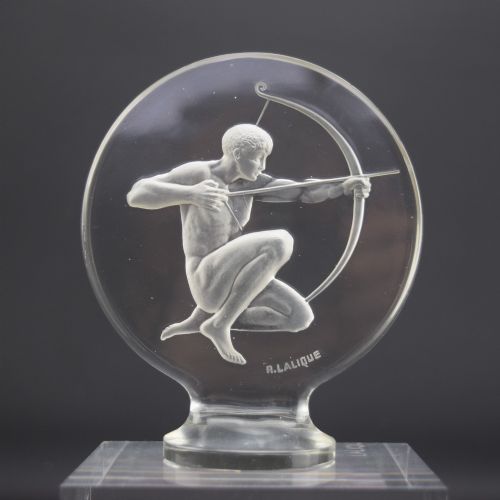
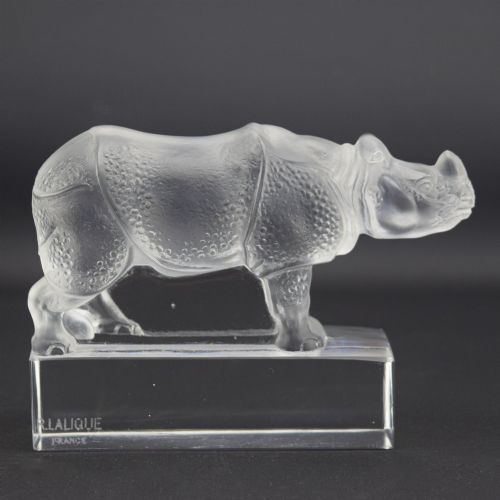
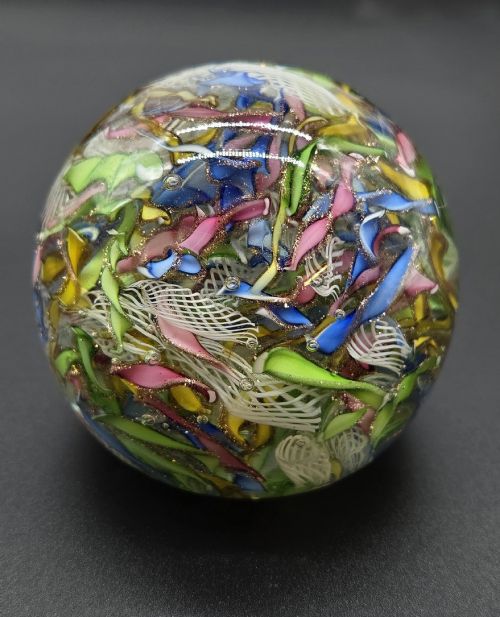
Italian Murano works and French Art Deco designs dominate the selection on this page. You find millefiori compositions, scrambled glass patterns, and moulded figures from this specific period.
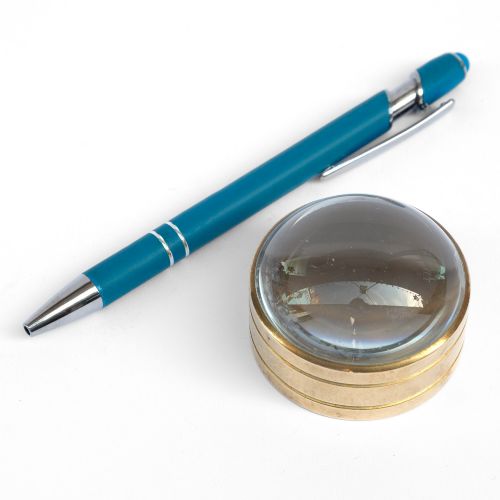
Functional items such as magnifying glasses and ashtrays share space with sculptural paperweights and car mascots adapted for display. These objects reflect the decorative tastes of the early twentieth century across glass houses.
How they were made
Makers utilised clear glass, frosted glass, and moulded glass techniques to create depth and contrast within the objects. Gold aventurine inclusions appear within the material to add metallic sparkle beneath the surface.
Italian Murano glasswork relies on complex cane arrangements such as millefiori and scrambled glass techniques. French pieces employ moulding and frosting, sometimes paired with brass mounts for desk use.
Wild boars and peacocks stand frozen in glass, serving as heavy desk anchors for your loose papers.
What varies in quality
Quality depends upon the clarity of the material and the precision of the internal design. Sharp moulding and clean distribution of colour canes separate superior examples from simpler work.
The sophistication of the surface finish, whether through precise frosting or polished brass mounts, defines the upper tier of these objects.
Rene Lalique·Murano
The Collectible Glass Paperweights Glossary
- Millefiori
- A glasswork technique involving multi-coloured canes sliced to reveal floral or geometric patterns inside the clear material. This method requires precise heat control during assembly.
- Aventurine
- Glass containing suspended metallic particles that create a glittering appearance. Gold aventurine is frequently seen in Italian Murano pieces.
- Frosted glass
- Glass treated to achieve a matte, textured surface rather than a transparent polish. This finish highlights modelled details on figures and mascots.
- Car mascot
- A sculptural ornament mounted on the radiator cap of an automobile, many of which later transition to desk paperweights. René Lalique designed prominent examples in this category.
Collectible Glass Paperweights: Frequently Asked Questions
What are collectible glass paperweights?
Collectible glass paperweights are decorative and functional desk objects produced using techniques like millefiori and moulding. They serve as tactile displays of studio glasswork from periods such as the 1920s and 1930s.
These pieces range from Italian glass creations to French Art Deco figures. Collectors value them for their craftsmanship and the historical methods used to suspend patterns inside clear or frosted glass.
How do I date these paperweights?
Dating relies on stylistic markers, specific maker signatures, and the manufacturing techniques characteristic of the 1920s and 1930s. Art Deco aesthetics and specific glass formulations provide primary clues.
Examining the base and mounting materials, such as brass fittings or specific glass types, helps establish the era. Comparison with documented works from makers like René Lalique or Murano workshops confirms the timeframe.
Where were these pieces made?
These items originate primarily from European glass centres, notably France and Italy. Murano and French studios produced the majority of the decorative glass objects found in this selection.
Regional differences in technique, such as Italian cane work versus French moulding, indicate the place of origin. Each centre applied distinct methods to shape and finish the glass.
How do I care for glass paperweights?
Care involves gentle dusting with a soft cloth and avoiding sudden temperature changes that could stress the material. Keep them away from direct sunlight to preserve any embedded colours.
Place them on stable, flat surfaces to prevent accidental drops, as heavy glass objects are vulnerable to impact. Handle them by the body rather than any attached mounts.